Santa Barbara looks effortless — a white-and-red-tile town between mountains and sea, palms along the beach, wine in every direction — and much of it is. But first-timers who understand a few facts about the geography, the calendar and the bookings have a far better trip than those who simply turn up. Here is the orientation.
The coast runs east to west, and that changes everything
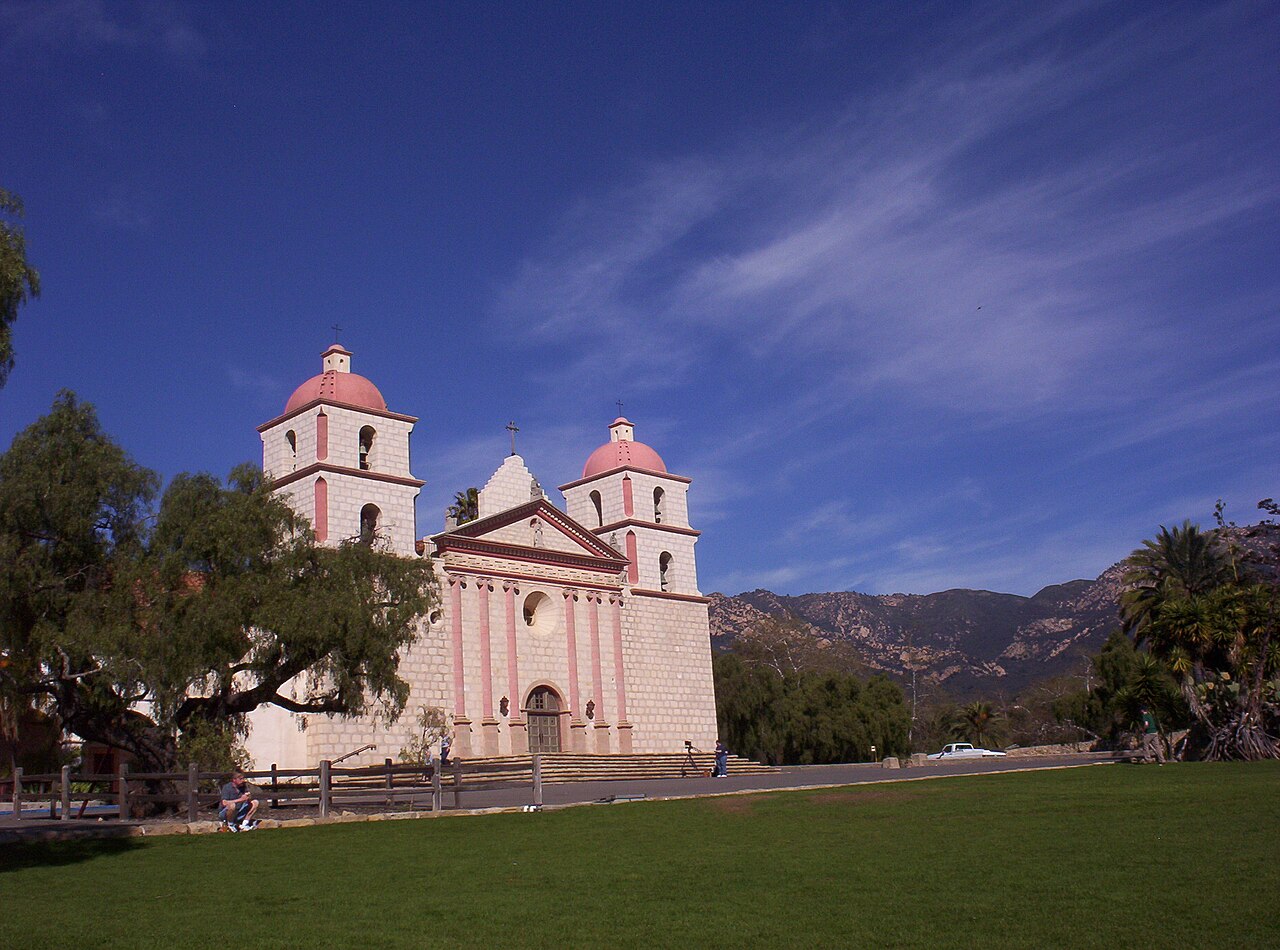
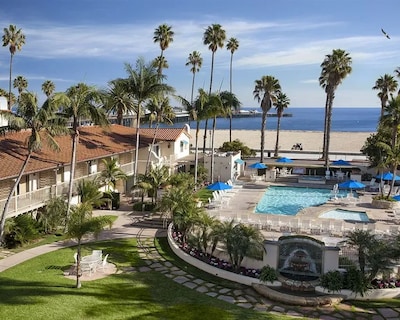
Santa Barbara sits on one of the few stretches of the California coast that faces south. The ocean is in front of you to the south, the Santa Ynez Mountains rise directly behind the city to the north, and the Channel Islands line the horizon offshore. That orientation gives the city its sheltered, Mediterranean climate, its sunrises and sunsets over the water at different seasons, and its compact shape: everything from the mission to the beach sits on one gentle slope you can walk or bike. Learn three axes and you will never be lost: State Street runs uphill from Stearns Wharf through downtown; Cabrillo Boulevard runs along the beach; and Mission Canyon climbs from the Old Mission into the hills.
The neighborhoods, in one paragraph each
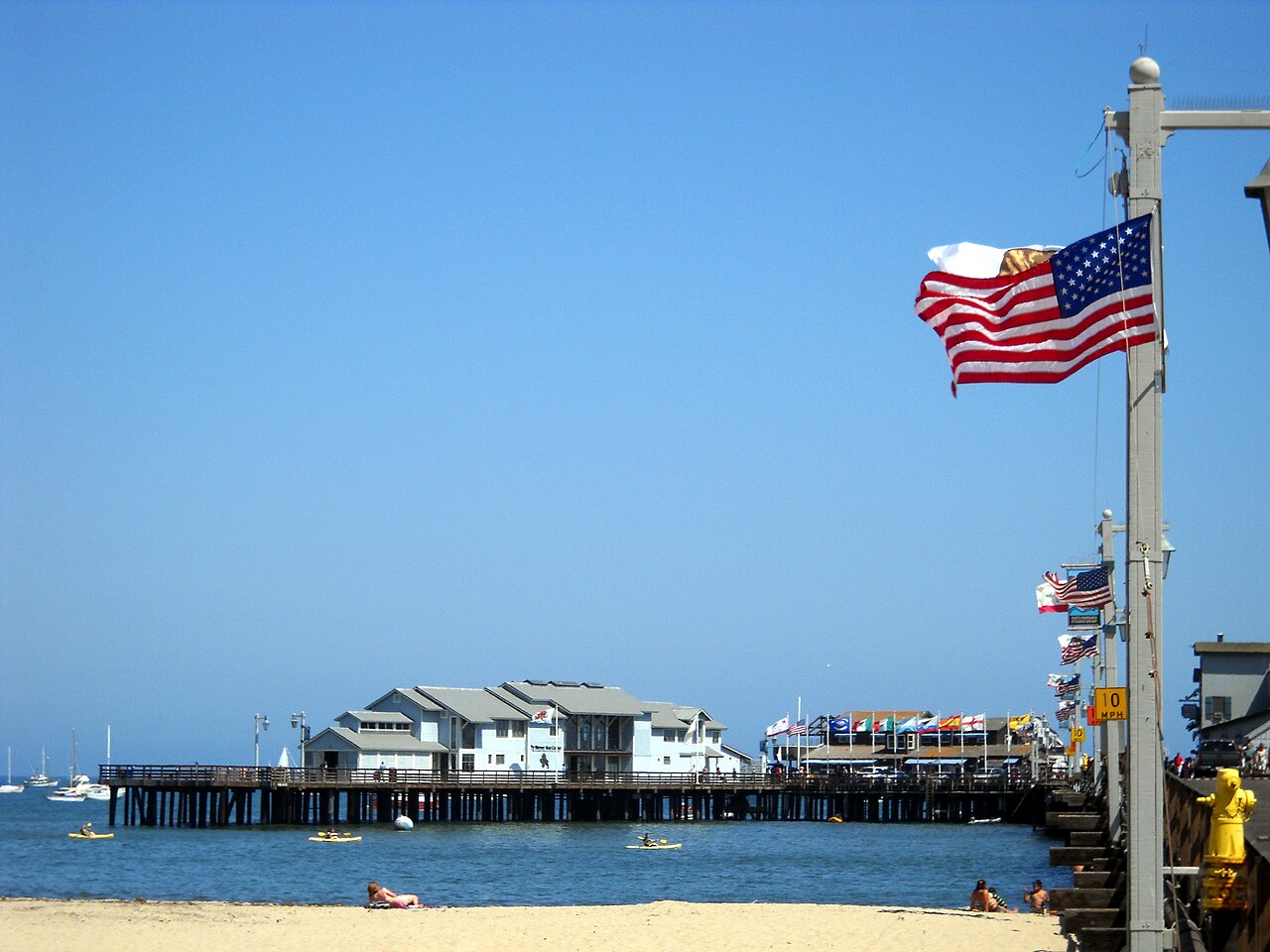
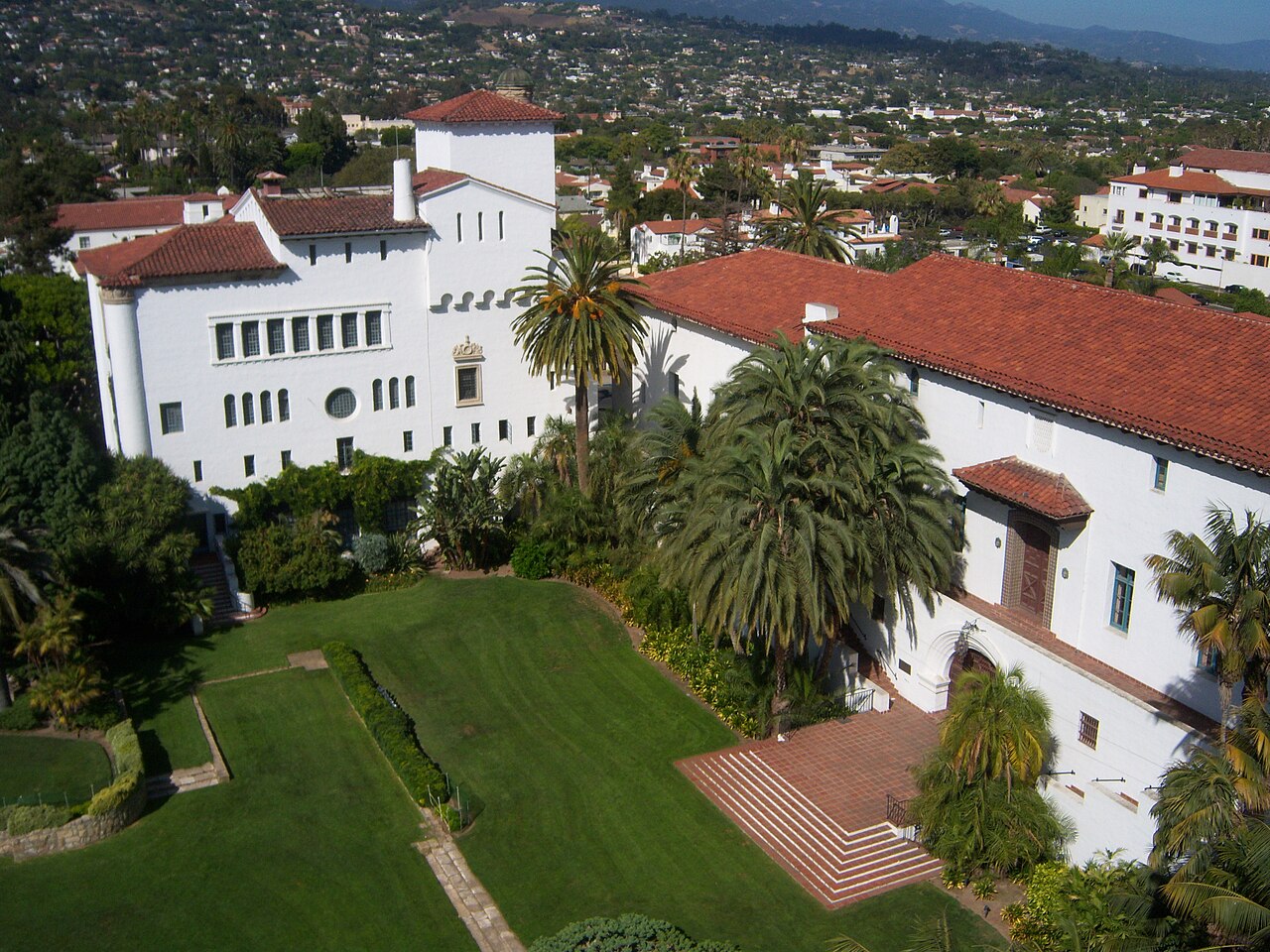
Downtown is the State Street promenade — closed to regular traffic and lined with outdoor dining — plus the courthouse, the Museum of Art and El Presidio, the 1782 Spanish fort the city grew from. The waterfront is Cabrillo Boulevard: East Beach, West Beach, Stearns Wharf and the harbor, joined by a flat bike path. The Funk Zone, wedged between the freeway and the beach a few blocks east of State Street, is the warehouse district turned wine-and-food quarter, with more than twenty tasting rooms on the Urban Wine Trail. The Upper East and the Riviera rise toward the mission and the hills, all Spanish-style homes and gardens. Montecito, ten minutes east, is the wealthy enclave of estates, Butterfly Beach and the Coast Village Road and Upper Village shopping streets. And over the mountains, forty minutes inland, lies the Santa Ynez Valley — Solvang, Los Olivos and the wineries.
The weather is famous, but it has a pattern
Santa Barbara is mild all year, rarely very hot or cold on the coast. The quirk is the marine layer: in late spring and early summer, mornings are often grey and cool until the fog burns off around midday — locals call it May Gray and June Gloom. Autumn, from September into November, is frequently the sunniest and warmest season, and winter brings the year's rain in occasional storms between bright, clear days when the islands look close enough to touch. Inland in the Santa Ynez Valley, summers run much hotter and winter nights colder. Pack layers whatever the month.
Getting around without a car is genuinely possible
The Amtrak station sits at the edge of the Funk Zone, a few minutes' walk from the waterfront hotels, and Santa Barbara Airport is a short drive from downtown. Within the city, walking and bikes cover nearly everything: the State Street promenade, the Funk Zone, the wharf and the beaches are all within a mile or so, and the Cabrillo bike path runs about three flat miles from the wharf to Butterfly Beach in Montecito. Several hotels lend bikes free. You will want a car, a driver or a tour for Mission Canyon's upper reaches, the wine country and the Channel Islands boats, which sail from Ventura Harbor and Oxnard about forty minutes south.
What to book before you arrive
Most of Santa Barbara is walk-up, but a few things reward planning. The Channel Islands crossing with Island Packers sells out on weekends and in summer, and kayak tours must be reserved in advance. The Santa Barbara Botanic Garden requires timed reservations. Caruso's at the Rosewood Miramar Beach, which holds a Michelin star, books up, as do estate wineries in the Santa Ynez Valley on weekends. Lotusland, Montecito's extraordinary garden, requires reservations weeks ahead and is closed for the season until February 17, 2027. And if your dates coincide with a big event — the Santa Barbara International Film Festival, February 3 to 13, 2027, or the Old Spanish Days Fiesta in early August — book hotels early.
What is closed or changed right now
Beyond Lotusland's off-season, the Four Seasons The Biltmore in Montecito remains closed for renovation, with a reopening reported for 2027. The Santa Barbara Zoo closes at 4pm most days from November 11 to January 10 so it can host its evening IllumaNature light show. The main Natural History Museum closes on Tuesdays and the Museum of Art on Mondays. The Old Mission's church and cemetery close to visitors during weekend Masses, weddings and funerals. And on the hiking front, check trail conditions after storms — the city's Jesusita Trail is the reliable route to Inspiration Point.
The first day, done right
Start at the courthouse: take the free docent tour of the Mural Room and ride up the clock tower for the best orientation view in the city. Walk the State Street promenade downhill for lunch, then continue to Stearns Wharf, walking to the end for the view back at the mountains. Spend the afternoon in the Funk Zone tasting a few local wines, watch the sunset from the wharf or the beach path, and have dinner without moving the car. In one day you will have seen the city's history, its waterfront and its wine culture — and you will know exactly where you want to spend the rest of the trip.
The etiquette and practicalities
Santa Barbara is relaxed and casual, but it is also a working town and a place where many people retire, so the pace is gentle. Parking downtown is mostly in city lots with a free initial period, and beach parking can be tight on warm weekends. Tipping follows American norms. Beaches are public, but dog rules vary from beach to beach, so check before bringing yours. And when you taste wine, remember that the valley roads are rural and patrolled — book a tour or a driver for wine-country days.