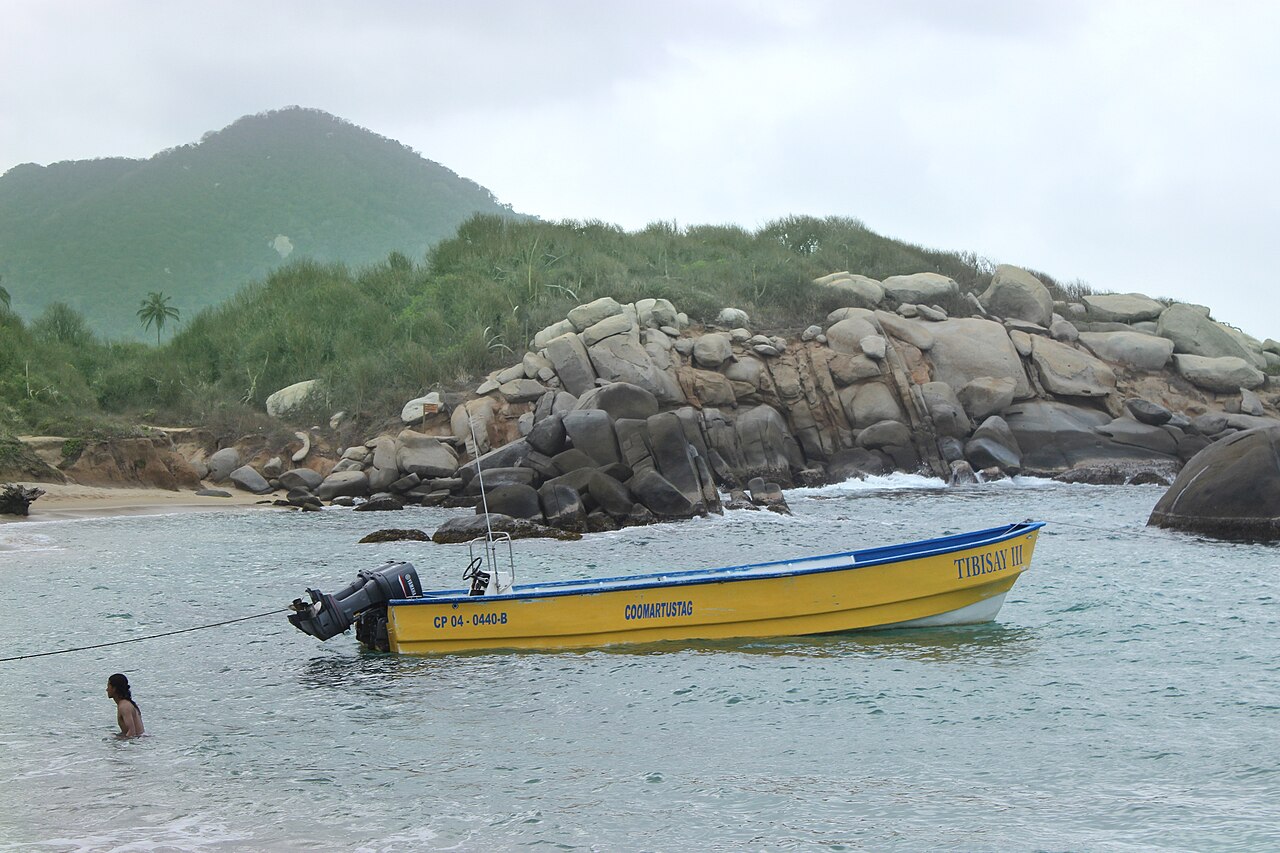
Santa Marta is warm all year, so the question is not whether you will be comfortable in a sweater but how the seasons affect trails, boats, prices and crowds. The city sits on a dry stretch of the Caribbean coast, with the Sierra Nevada rising behind it, and that combination produces some quirks: the coast can be arid while the mountains are wet, the wind can be strong in winter and the sea can be calm one week and choppy the next. This guide explains what to expect and how to plan around it.
The general pattern
Temperatures on the coast hover in the high twenties to low thirties Celsius most of the year, with humidity that makes midday feel hotter. The drier season runs roughly from December to April, with steady breezes, sunny skies and little rain. A first rainy period usually arrives around April or May, a short, drier spell often follows in mid-year and the heaviest rains come from about September to November. Mountain areas such as Minca and the Lost City trail see more rain than the coast and can be wet at almost any time.
December to April: the high season
This is the most popular time and for good reason. Trails are firmer, river crossings are easier, skies are clear and evenings are pleasantly breezy. It is also the most expensive and crowded period, with peaks around Christmas, New Year and Easter, when Colombian families fill beaches and hotels. The trade winds are strongest from December to March, which can make the sea choppy, so boat trips to Playa Cristal or sunset sails may be delayed or moved. Book hotels and key excursions early, and expect to share beaches on weekends.
May to August: green and flexible
The shoulder period brings fewer visitors, lower prices and greener landscapes. Showers are usually short and heavy, often in the afternoon, so plan outdoor activities in the morning. The mid-year school holidays bring a second burst of domestic travel, particularly in June and July, so prices rise for a few weeks. The sea tends to be calmer than in winter, and visibility for diving and snorkeling can be good. This is a good window for travelers who want a balance between weather and value.
September to November: the wet season
Rain is more frequent and heavier, particularly in the mountains, where trails turn muddy and rivers swell. Trekkers heading for the Lost City should expect slower days and potentially altered routes, and river-based activities such as tubing can be shortened or closed for safety. On the other hand, the hills are lush, hotels are cheaper and the beaches are quiet. If you travel in these months, keep your itinerary flexible, pack a rain layer and have indoor options, such as the Museo del Oro Tayrona, the aquarium or a food tour.
Park and trek closures
Tayrona National Park closes for short periods a few times a year so that indigenous communities can hold ceremonies and the ecosystem can recover. These closures have traditionally fallen around February, June and the autumn, but the exact dates are set each year, so check them before you plan non-refundable bookings. The Lost City trek has also traditionally closed for part of the year for maintenance and ceremony, and operators may limit departures in the wettest weeks. Confirm dates with your operator before you commit.
Festivals and holidays
The anniversary of the city's founding, in late July, is celebrated with events, music and parades, and the Easter week and Christmas period bring a festive atmosphere and heavy crowds. Colombia has numerous long weekends for public holidays, when the coast fills with visitors from Bogota and other cities. If you prefer quiet beaches, avoid those weekends or plan your stay mid-week.
Choosing by interest
Hikers and trekkers will find the best conditions from December to April, though the shoulder months are workable. Beach lovers should aim for weekdays in the drier months, when seas are lively but skies are clear, or for mid-year, when the water is calmer. Divers and snorkelers may prefer calmer periods outside the windiest weeks. Budget travelers can find good deals from May to August and from September to November, accepting some rain. Families often choose school-holiday periods despite the crowds, since they have little flexibility.
Packing by season
Whatever the month, pack light, breathable clothing, sunscreen, a hat and insect repellent. In the wetter months, add a light rain jacket and quick-drying shoes. For the mountains and for nights in Minca, bring a thin sweater. For boat trips, bring a seasickness remedy and a dry bag for your phone. If you are traveling in the windier months, a light windbreaker helps on the water and at night.
The short answer
If you want the most reliable weather, go between December and April and book early. If you prefer fewer people and softer prices, try May to August and accept short showers. If you do not mind rain and want empty beaches, the autumn months have their own appeal. In every season, start excursions early, keep plans flexible and verify closure dates for the park and trek before you finalize your trip.