Tayrona National Park is the best-known natural attraction on Colombia's Caribbean coast, and it deserves a little planning. The park covers a long strip of forest, dry woodland and coastline, with beaches backed by jungle and boulders shaped by centuries of surf. It is also a place of deep cultural meaning for the indigenous peoples of the Sierra Nevada, who regard the coast as part of a sacred landscape. A thoughtful visit can be one of the highlights of a trip, while a rushed, unprepared one can be hot, crowded and disappointing.
Entrances and access
Most visitors enter at El Zaino, on the highway east of Santa Marta, and then travel to the Canaveral area, where the main trail begins. From there, a footpath leads through forest and along beaches to Cabo San Juan, the park's best-known spot. Other entrances serve different sectors, including areas reached by boat from the Santa Marta coast. Tour operators handle transport and tickets, but independent travelers should carry identification, pay the park entry fee and arrive early, because daily visitor numbers can be limited at busy times.
The hike to Cabo San Juan
The walk is the park's classic experience. From the Canaveral trailhead it takes roughly two to three hours each way, depending on your pace and how often you stop. The path is uneven, with roots, boulders and short climbs, so wear shoes with grip and carry plenty of water. Stops along the way include Arrecifes, La Piscina and several lookout points. Cabo San Juan itself has two curved bays, coconut palms and a small wooden lookout built on a rock between them. Many visitors swim here, relax in hammocks and eat a simple lunch before walking back.
Swimming and safety
This is the most important part of the guide. Several of the beaches in the park, including Arrecifes, are signposted against swimming because of dangerous currents. Lives are lost every year. The sheltered pools at La Piscina and the bays at Cabo San Juan are the usual places where swimming is considered safe, but conditions change, so follow signs, ask staff and never go in alone. Sun, heat and dehydration are the other risks, so start early, wear a hat and drink water regularly.
Boats and shortcuts
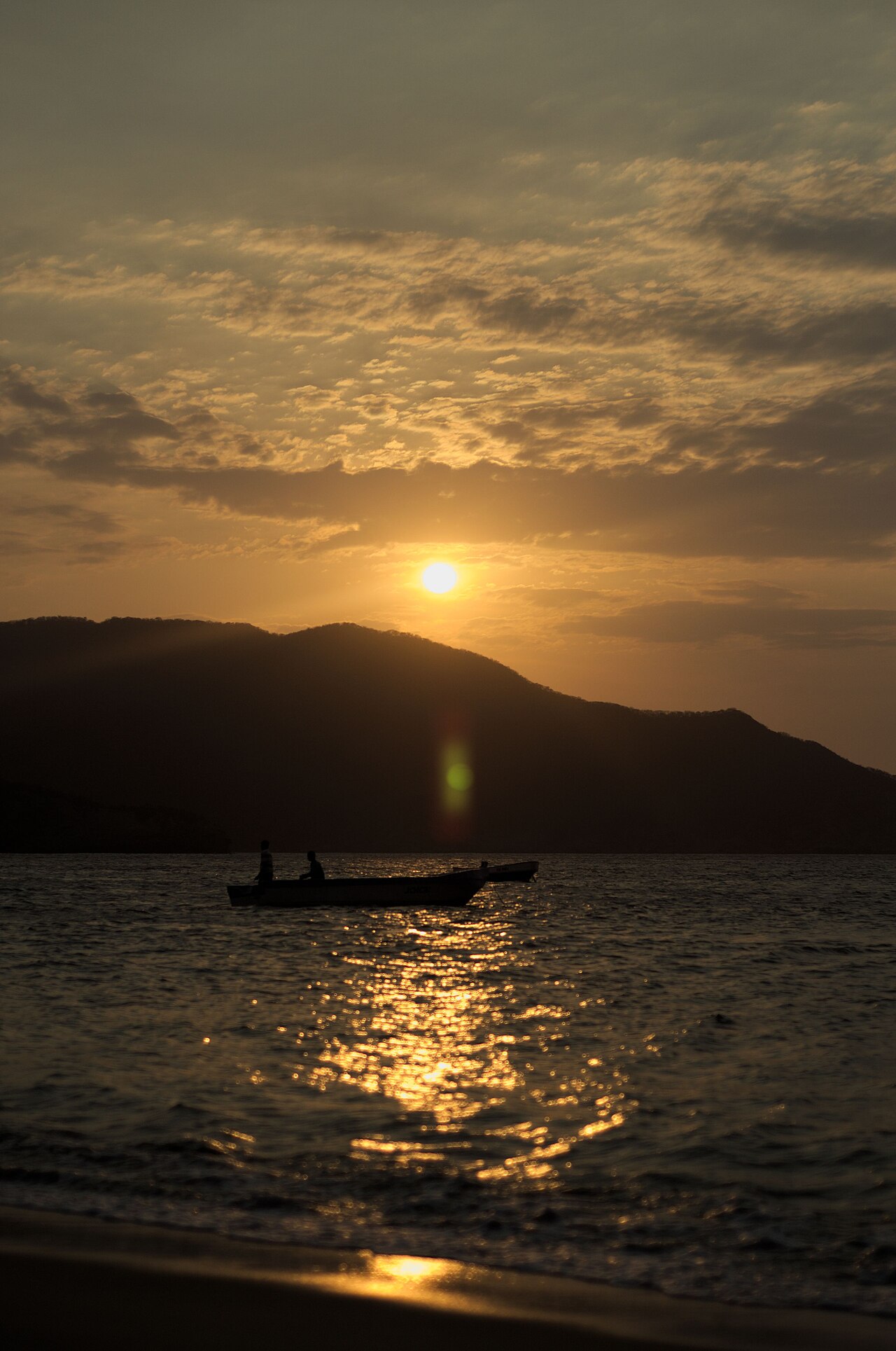
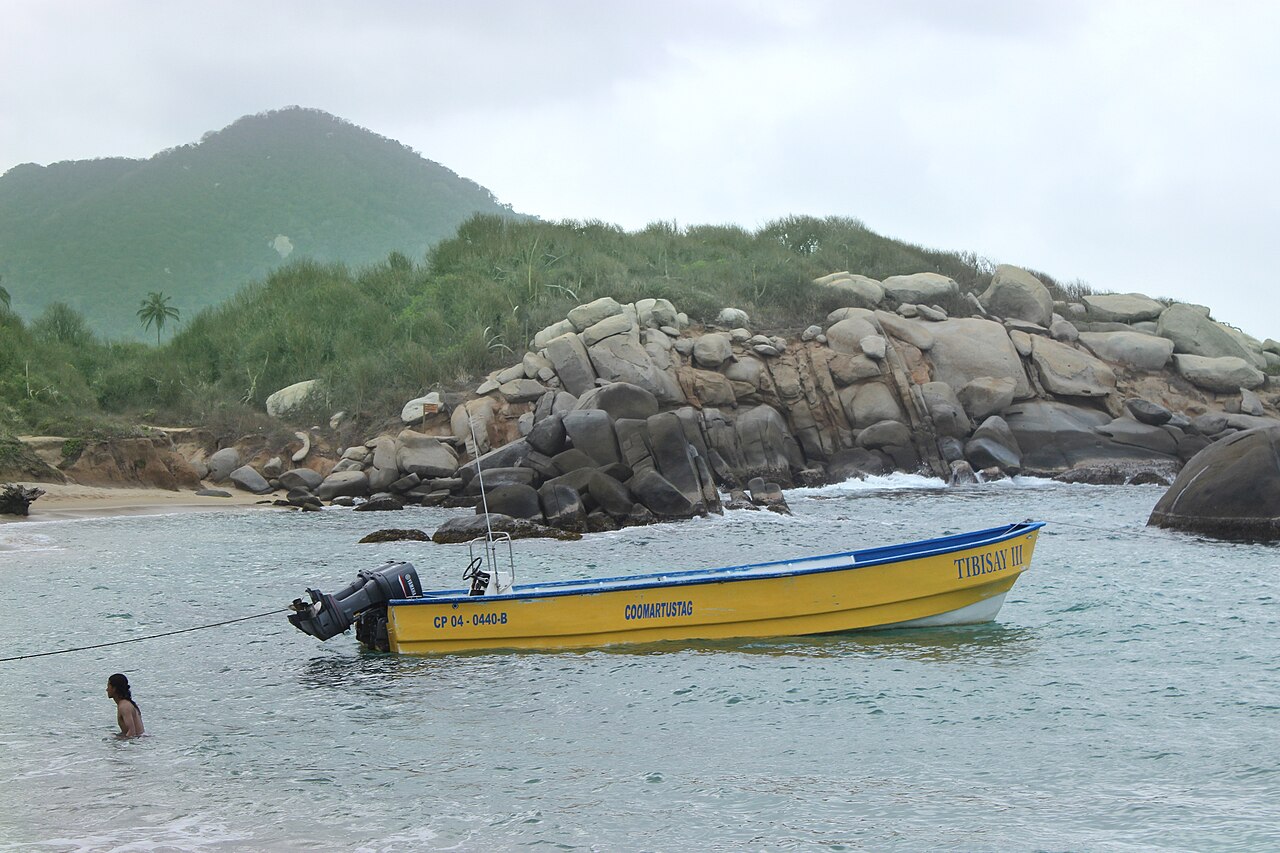
If you do not want to hike, boat trips from the Santa Marta coast reach calmer corners of the park, such as Playa Cristal, a small cove with clear water and a reef close to shore. Boat days are shorter and easier, but they are weather dependent, with winter winds from roughly December to March bringing choppier seas. Sailing trips and catamaran days also operate along the coast and make a pleasant change from walking.
Horses and shuttles
In some sectors you can hire horses or take shuttles to cover part of the distance, which helps those with limited energy or time. Horse rides along the sand at Los Naranjos are popular. Always check the animals' condition and the guide's conduct before you agree to ride, and use your judgment if conditions look poor.
Closures and seasons
Tayrona closes for short periods a few times a year so that indigenous communities can hold ceremonies and the environment can recover. The exact dates are announced each year, so check before you plan an itinerary or book non-refundable lodging. The drier months from December to April are the most popular for hiking, though winds can be strong. In the wetter months the forest is lush and quiet, but trails can be muddy and storms come in the afternoon.
Staying overnight
Inside and beside the park you can sleep in eco-cabins, hammock camps and tents, which allows you to walk in early and enjoy the beaches after the day-trippers leave. Facilities are simple, with fans rather than air conditioning, limited hot water and basic meals. Bring cash, insect repellent, a flashlight and a rain layer, and book ahead in peak weeks. Eco-lodges outside the park, such as those near El Zaino or the Los Naranjos coast, are an alternative for those who want more comfort.
What to bring
Water, sun protection, repellent, a swimsuit, a light towel, sturdy shoes, a small first-aid kit and cash. A waterproof bag protects your phone and passport, and trash bags help you pack out your rubbish. Leave plastic bags and single-use items at home where possible, because the park limits what you can bring in.
Respecting the place
Stay on marked paths, avoid touching coral, keep noise low and follow the guidance of rangers and guides. Remember that the park is not only a beach destination but also a home and a place of worship for the communities who have lived here for centuries. If you can, pair your visit with the Museo del Oro Tayrona or a cultural experience in the Sierra Nevada to understand the people behind the landscape.