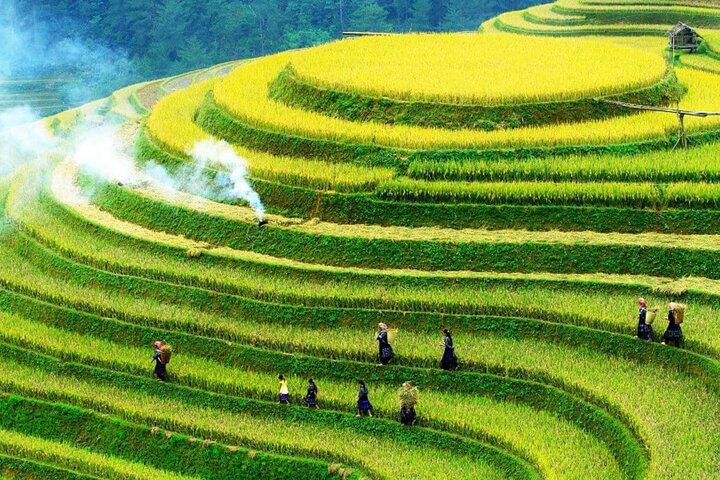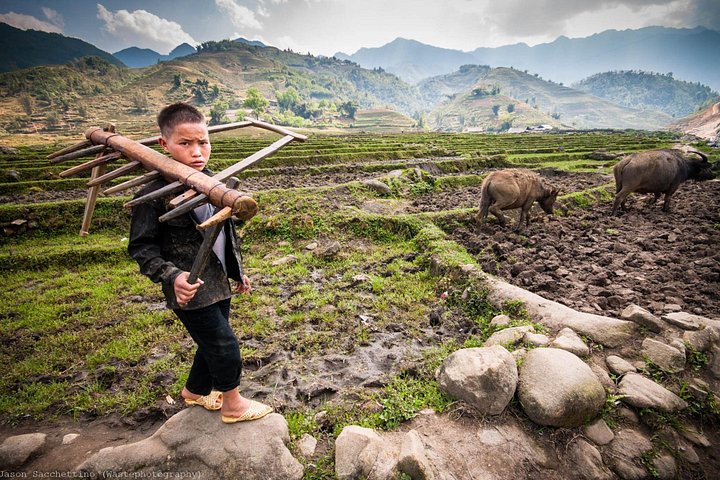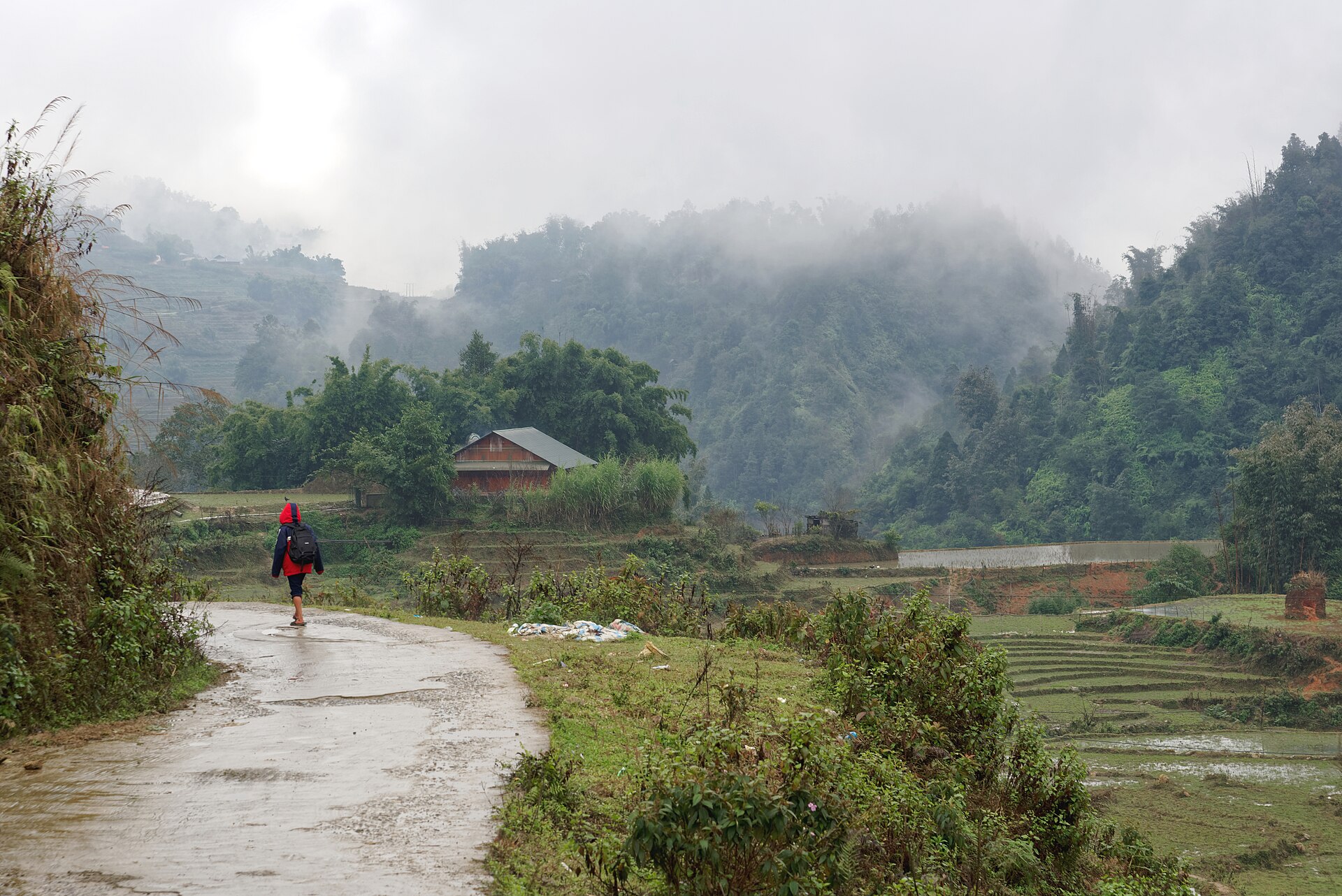
The food of the northern mountains is different from the better-known dishes of Hanoi or Saigon. It leans on smoked and cured meat, wild greens, mountain vegetables, corn, sticky rice, bamboo shoots and a short list of aromatic herbs, cooked simply over a wood fire or a small stove. This class takes you into the home of a local Hmong family to learn how some of it is made. You usually start by looking at the ingredients, many of which come from the garden, the nearby market or the surrounding hillside, and then cook alongside your hosts, who show the technique rather than reading from a recipe. The point is as much the people as the plate. Sitting in a family kitchen, watching how a household prepares a meal, and then sharing the results around a table says more about Sa Pa than a restaurant ever could. Conversations tend to wander from the food to farming, school, festivals and the seasons, helped along by whoever is translating. It is a relaxed, unhurried activity, and it works well as the centrepiece of a quiet day or as a warm-up before a longer trek.
Prepare to be hands-on. You may be chopping herbs, wrapping parcels, stirring a pot or rolling something by hand, depending on the menu, and the hosts expect participation. Dishes vary with the season and with what is fresh, so ask about the likely menu if you have dietary needs, and tell the organiser in advance about allergies, vegetarian preferences and anything you cannot eat. Mountain cooking uses a lot of pork and fresh herbs, but a good host can usually adapt.
Respect the setting. You are a guest in a family home, so follow the household's lead: remove your shoes when asked, wait to be shown where to sit and accept the offered food and drink with thanks. A small gift of fruit or something for the children is appreciated, but avoid handing out sweets or money, which can create problems for local families. Ask before taking photographs of people, and share the pictures if they would like to see them.Fit it into your plan.
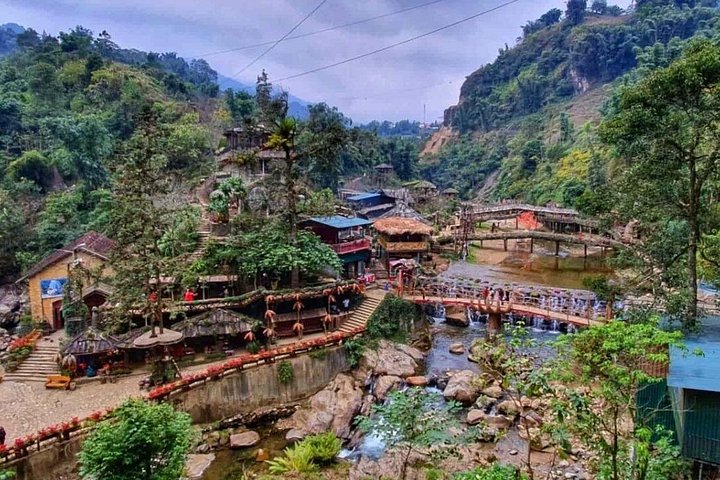
A cooking class makes a good morning or evening choice, and it works well after the Cat Cat walk or the Muong Hoa valley, because many of the villages are close together. It is also an easy option on a wet day, when a fire and a warm meal are better company than a muddy trail.
For a related cultural activity that is more about craft than cooking, the Hmong batik workshop is a natural second choice.Small practical points help the day go well. Wear comfortable clothes that can handle a splash of oil or a smear of flour, and bring a light layer because mountain kitchens are often open to the air.
If you would like the recipes afterwards, ask your hosts or the guide to write down the ingredients, since many dishes are cooked by feel rather than measurement. Be ready to try new flavours, including bitter greens and strong herbs, and say politely when you have had enough. The best classes end with laughter, full plates and a better sense of how a mountain household eats.
What to expect
The experience
A hands-on cooking session in a Hmong family home, followed by sitting down to eat the dishes you helped to make.
Best time
Morning or evening, and a good option on a cool or rainy day.
How long
Around three hours, depending on the menu.
Tips
Tell the organiser about allergies and dietary needs in advance, remove shoes if asked and ask before photographing people.
Quick picks
- Best for
- Food lovers who want to meet a local family and learn how mountain dishes are made.
- Families
- A friendly, hands-on activity for children who like helping in the kitchen.
- Couples
- A warm, social evening with a shared meal at the end.
- Pair with
- The Hmong batik workshop or a morning village walk.
- Time needed
- Half a day.
Good questions
What will I cook in the Hmong family class?+
The menu changes with the season and the host family, but expect northern Vietnamese mountain dishes using local herbs and vegetables. Ask when you book if you want to know more.
Can vegetarians join?+
Often yes, if you tell the organiser in advance. Mountain cooking uses a lot of meat, so give notice so the menu can be adapted.
Do I eat what I cook?+
Yes, the class normally ends with a shared meal of the dishes you have helped to prepare.
Is it suitable for children?+
Yes, children who like helping in a kitchen usually enjoy it. Supervise them near open flames and hot pots.
How should I behave as a guest?+
Follow your hosts' lead, remove shoes if asked and accept food with thanks. Avoid giving money or sweets to children.