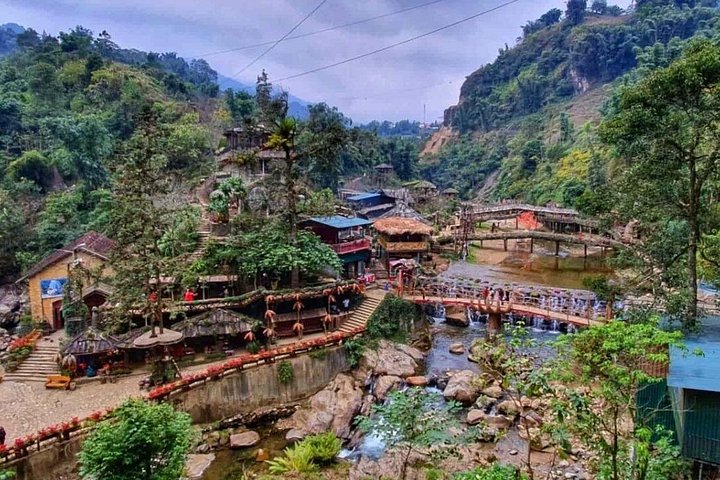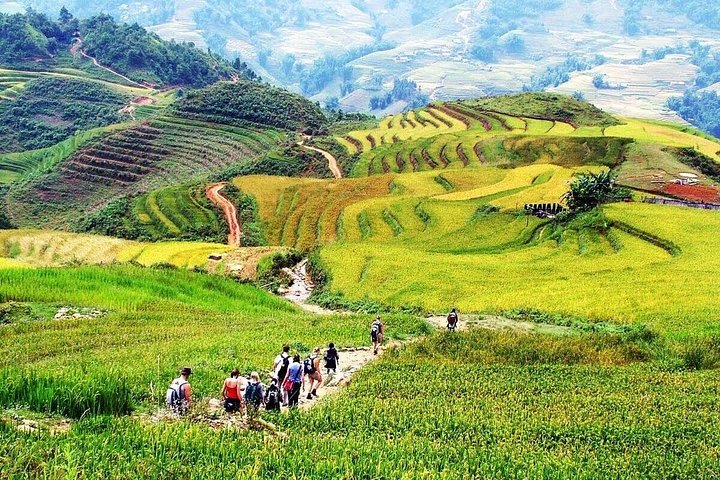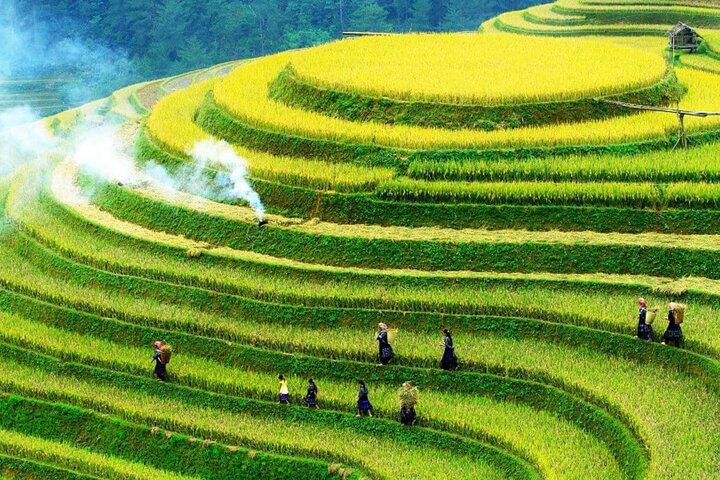
The Muong Hoa valley is the great set-piece of Sa Pa: a deep river valley below the town, its slopes carved into terraces by generations of Hmong and Dao farmers, with villages such as Lao Chai, Ta Van and Y Linh Ho strung along the floor. The terraces are the reason many people come, so it matters to be honest about the calendar. Rice is grown once a year here. The fields are filled with water and mirror the sky around May and June, glow green through the summer and turn gold in late September and early October. By the end of October the harvest is over, and in early November you will see cut stubble, straw stacks and brown steps rather than a golden sea. That is not a reason to stay away. November has some of the clearest air of the year, the valley is quieter, and the shape of the terraces is easier to read when they are bare. The tour on this page is an easy valley walk rather than a hard trek.
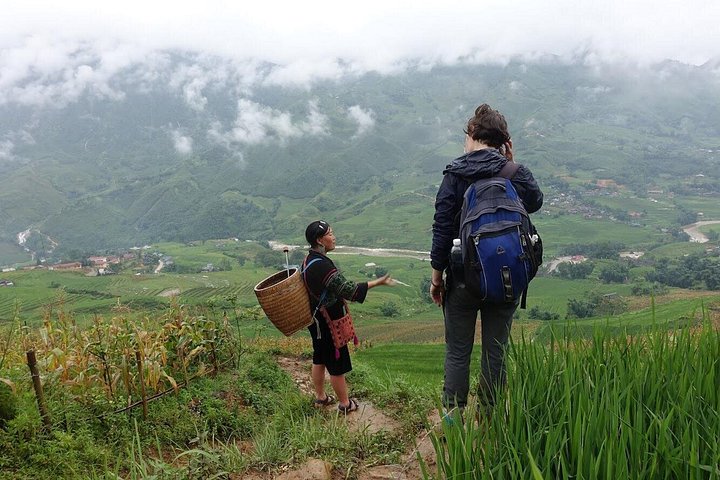
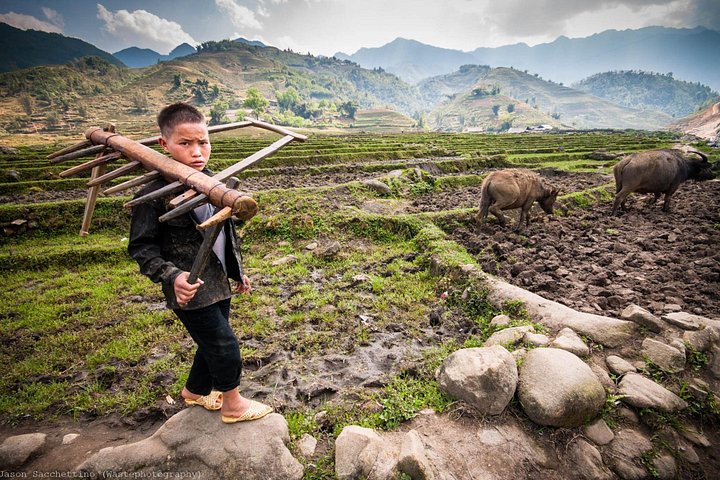
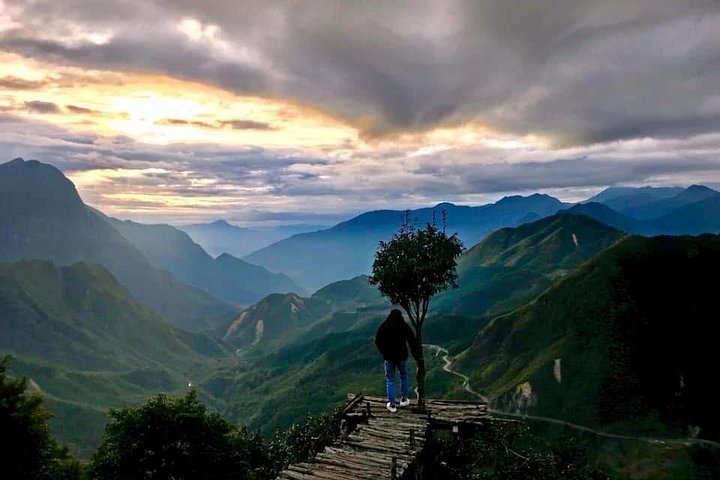
The booking page for this outing describes an easy, low-effort visit to the Muong Hoa valley and the village of Ta Van, with a foot spa and a cafe stop, so it suits people who want the valley without a long hike. Check the exact route with the operator, because operators adjust stops with the weather. Expect to see terraces from road level and from village paths, with water buffalo, small farms and the occasional glimpse of Fansipan on a clear day.
If you are travelling in November, set your expectations: bare terraces, cool air and wide views rather than the postcard gold. To see the gold, come from mid-September to early October, and for green fields look to June through August. Winter, from December, can be cold and misty, and the valley is often under cloud. Wherever you walk, stay on the paths and not along the edges of the paddies, since the terraces are working farmland.
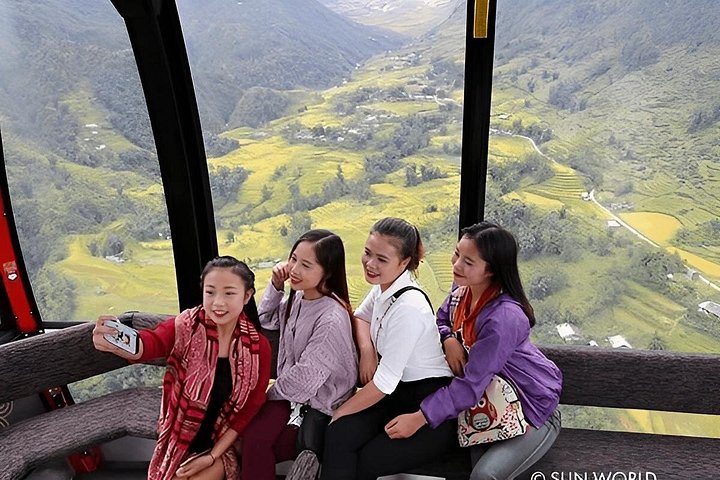
The valley is also the setting for the longer village treks on this page. If you want to walk more than a few hours, the Lao Chai and Ta Van trek is the natural step up, and the homestay trek takes you deeper. The valley pairs well with a slow afternoon in town, and with the cable car if the sky is clear.
What to expect
The experience
A gentle guided outing through the Muong Hoa valley and Ta Van village, with terrace viewpoints, a foot spa and a cafe stop.
Best time
Late September to early October for gold, June to August for green, and a clear November morning for sky and quiet.
How long
Roughly half a day, depending on the route and the stops.
Tips
Check the weather, wear shoes with grip, stay on the paths, and expect harvested terraces in November.
Quick picks
- Best for
- Travellers who want the terrace views without a long, steep trek.
- Families
- Easy enough for most children and older relatives, though paths can be muddy after rain.
- Couples
- A slow valley morning followed by lunch makes an easy, relaxed day.
- Pair with
- The Lao Chai and Ta Van trek or the Fansipan cable car.
- Time needed
- Half a day.
Good questions
When are the Sa Pa rice terraces golden?+
Usually from late September to early October, just before the harvest. By November the fields are cut and bare.
Is it worth visiting the valley in November?+
Yes, if you want clear air, big views and quiet paths, and you accept that the terraces will be brown stubble rather than gold. Mornings are often the clearest.
Is this a hard trek?+
No, the tour on this page is described as an easy outing without a long hike. For a proper walk, choose the Lao Chai and Ta Van trek.
Can I walk on the terraces?+
Stay on the paths and field edges that locals use, and avoid stepping on the paddies. They are working farmland and the banks are easily damaged.
When is the water-filled season?+
The fields are flooded and reflective around May and June, before the rice grows green. Check conditions with your guide.