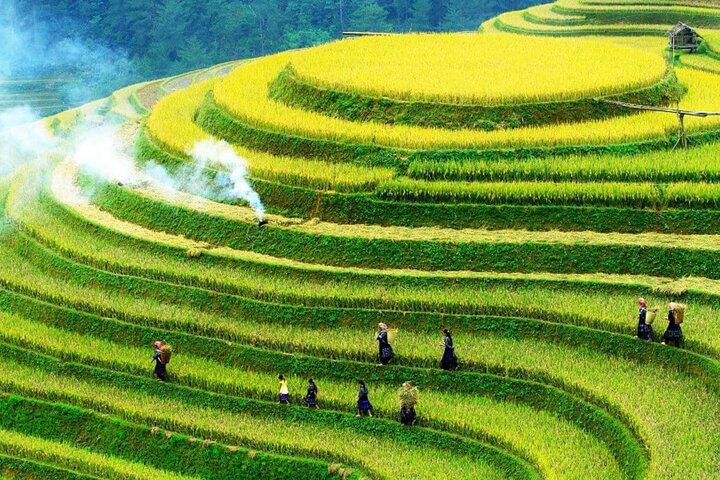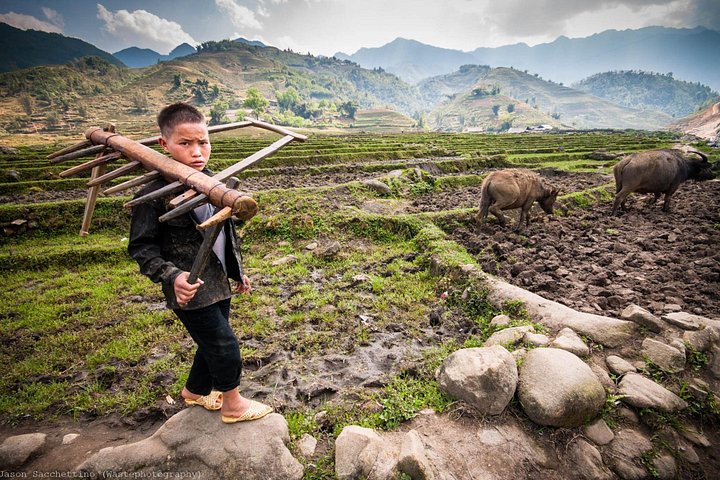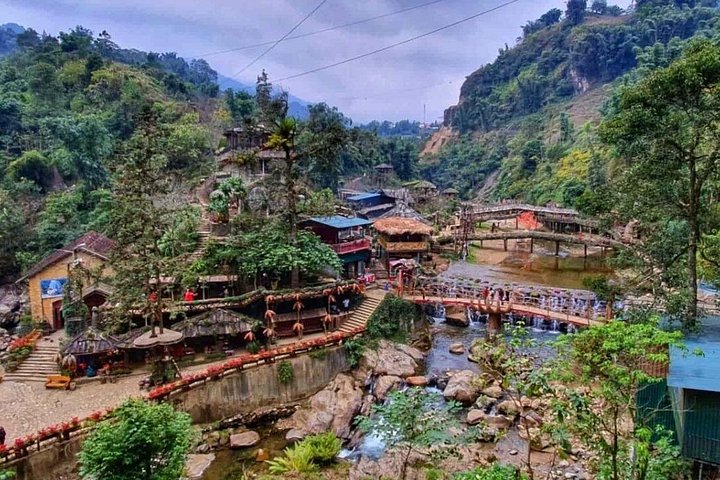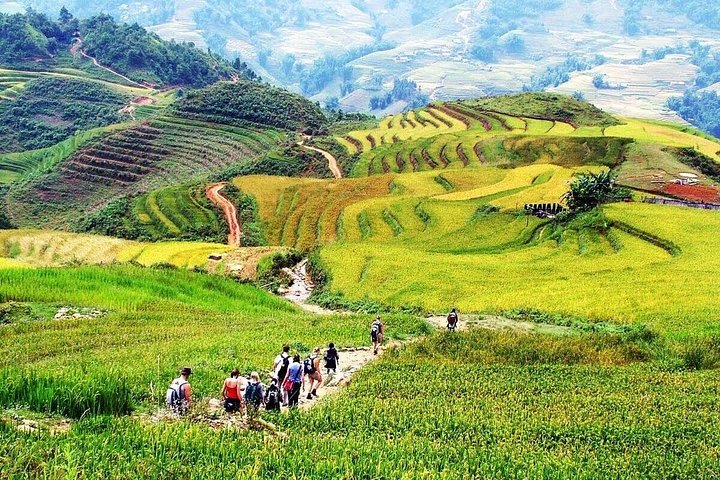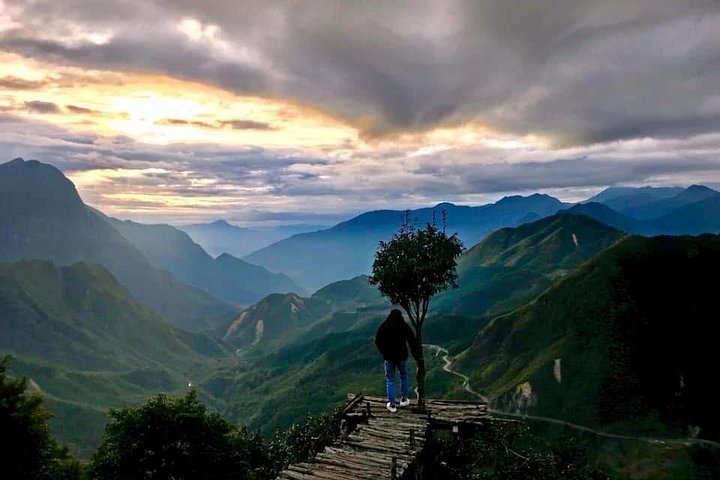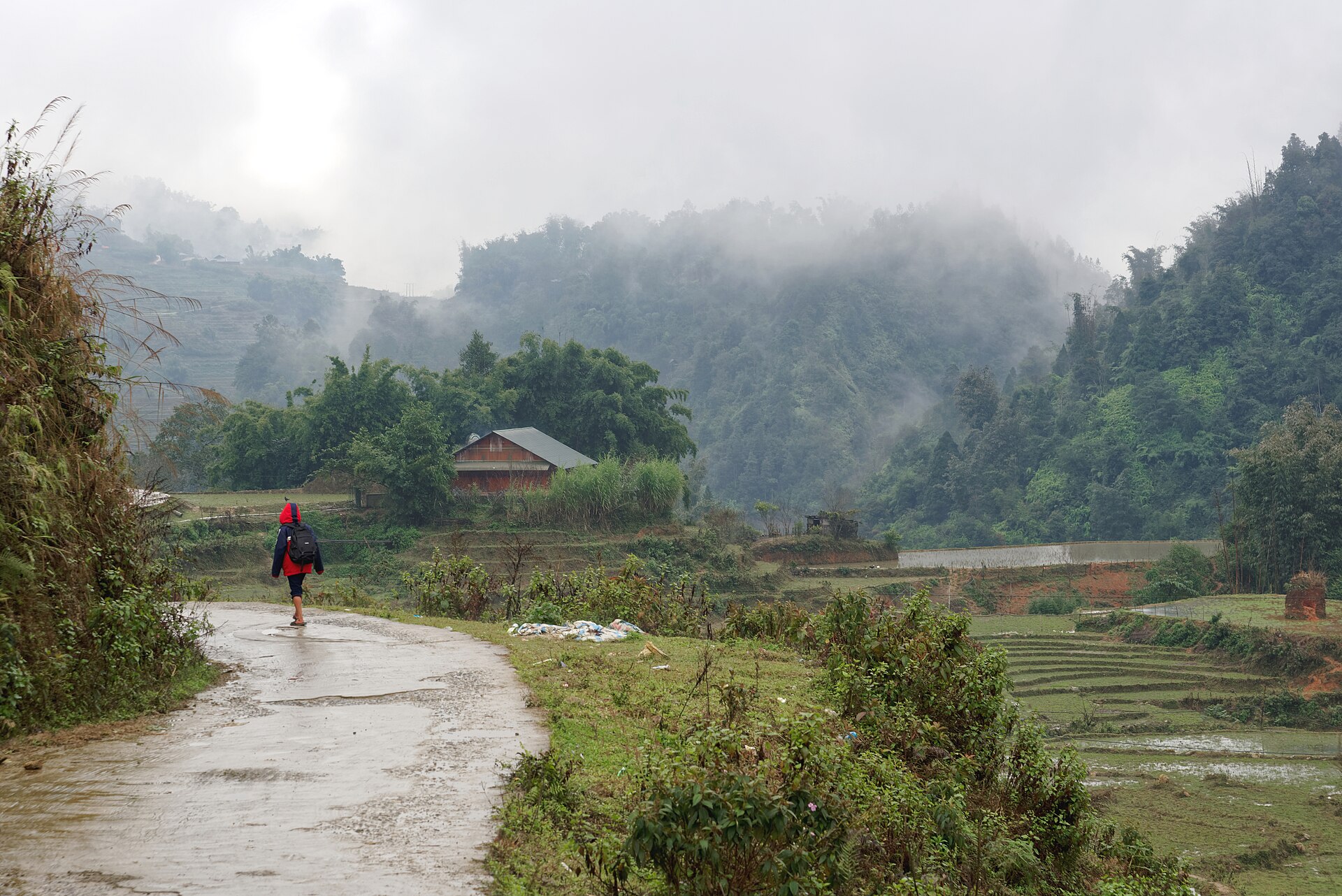
Cycling in Sa Pa is not for the faint-hearted, because the town sits at around 1,500 metres and the landscape is rarely flat. But a guided full-day ride is one of the best ways to see the district at your own speed, covering more ground than a trek and feeling closer to the scenery than a jeep. Routes use quiet village roads and tracks, passing terraced hillsides, vegetable gardens, small markets and farmhouses where buffalo and pigs wander the yard. A guide leads the way, picks the less busy roads, and explains what you pass. The pace is steady rather than racing, with plenty of stops for water, views and photographs, and the bikes and helmets are supplied, so you only need to show up with the right clothes and a decent level of fitness. Mountain air is cool and clear, which makes exercise pleasant in the morning, though the afternoon can bring mist and showers. The reward is being out in the countryside in a way that few visitors manage, with the freedom to stop wherever something catches your eye and the satisfaction of a long downhill after the climb.
Be honest about fitness. Hills are the rule in Sa Pa, and even a gentle route will include sustained climbs and descents on rough surfaces. If you cycle regularly, the day will feel active and enjoyable, and if you do not, ask about the route, the distance and whether support or an electric bike is available. Telling your guide about your level on the first morning lets them adjust the pace and the stops, and nobody minds an honest request to slow down.Check the equipment before you start.
Make sure the saddle height is right, the brakes work and the helmet fits, because descents on gravel and wet tarmac can be fast. Wear padded cycling shorts or a comfortable alternative, gloves if you have them, sunglasses and layers. Carry water, sun protection and a light rain jacket, as mountain weather changes quickly. Keep to the guide's lines on corners, as local traffic includes motorbikes, buffalo and children.Choose the right day. Cycling is most enjoyable in clear, dry weather, when the views open up and the tracks are firm.
After heavy rain, dirt roads become slippery and the day may be shortened or changed. For something gentler, the Muong Hoa valley outing and the Cat Cat walk are easy on foot, while the motorbike tours on this page cover more distance with less effort.Plan the rest of the day around the ride.
After a long day in the saddle, a hot shower and a massage are the best rewards, and many hotels and spas in town offer both. Eat well beforehand and drink plenty of water, because altitude and effort can dehydrate you faster than you notice.
Keep your phone or camera in a secure pocket or a small handlebar bag, and agree with the guide on a signal for rest breaks. If you enjoy the ride, ask whether a longer or harder route is available on another day, since the hills offer plenty of variety.
Ask too about spare tubes, a repair kit and who carries them, and wear bright clothing so that motorbike drivers can see you on blind bends. Finally, build in a rest day afterwards if you plan a Fansipan climb, because tired legs and steep descents do not mix well.
What to expect
The experience
A guided day ride on quiet roads and tracks through the hills and villages around Sa Pa, with bikes and helmets supplied.
Best time
Dry, clear days, with an early start for the best light and the calmest roads.
How long
A full day, with stops for rests, views and lunch.
Tips
Check brakes and saddle height, wear layers and gloves, carry water and tell your guide about your fitness level.
Quick picks
- Best for
- Active travellers who want to cover more ground than a walking tour.
- Families
- Only for teenagers and adults with road experience; younger children should choose a walking or jeep outing.
- Couples
- A fun shared challenge with big views and a satisfying descent.
- Pair with
- A spa or herbal bath after the ride.
- Time needed
- A full day.
Good questions
How hard is cycling in Sa Pa?+
The district is hilly at altitude, so expect climbs and descents. Tell your guide your fitness level so the route and pace can be adjusted.
Are bikes and helmets provided?+
The tour on this page is a guided ride, and equipment is normally supplied. Confirm what is included when you book.
Can I cycle in wet weather?+
Light rain is manageable, but wet tracks are slippery. The route may be shortened or changed for safety.
What should I bring?+
Water, sun protection, a light rain jacket, gloves and layers. Closed shoes are essential.
Is it suitable for beginners?+
Confident cyclists will enjoy it most. Ask about route difficulty and any support options if you are less experienced.