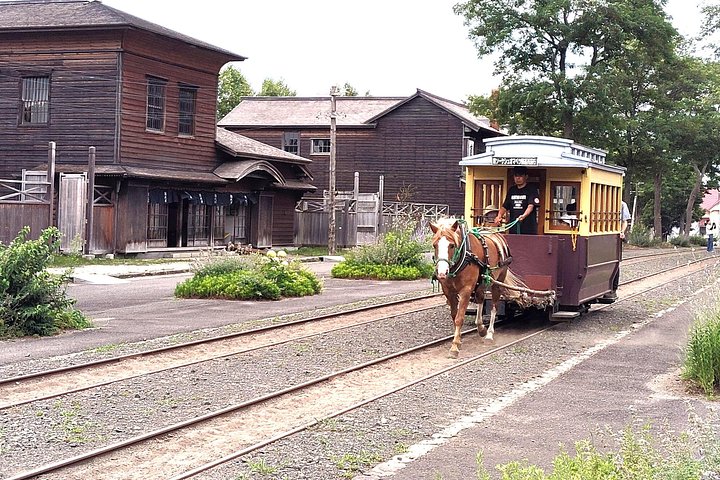
The Historical Village of Hokkaido, known in Japanese as Kaitaku no Mura, is an open-air museum where historic buildings from across Hokkaido have been moved and rebuilt into a recreated frontier town. Streets of shops, an old post office, farmhouses, fishing houses and public buildings show how settlers lived in the late nineteenth and early twentieth centuries. Many buildings can be entered, with staff and displays inside. Opening hours are 9:00 to 17:00 from May to September and 9:30 to 16:30 from October to April, and the village is closed on Mondays, with a break at the New Year, but it opens on Mondays during the Snow Festival. In winter, horse-drawn sleighs run on weekends, holidays and Snow Festival days from mid-December to March for an extra fee, while the horse-drawn tramway runs from mid-April to November. The village is a good half-day trip for history lovers and families.
What you see
The village covers a large area and is organised into districts, with a town street, a fishing village, a farming area and a mountain village. Buildings include a bank, a shop-lined main street and a school. Each building has a plaque and displays, and some have staff and hands-on displays. The scale is the draw, and the sense of walking through a living model of the past is far more vivid than a single museum hall.
Seasons
In summer the grounds are green and open, and the tramway adds to the atmosphere. In autumn the trees turn colour, though by November many leaves have fallen and the tramway season is ending. In winter the village is a snowy storybook, and the sleigh rides are the highlight; wear boots, as paths can be icy. The village is quieter in the cold months, but some interiors are chilly, so layers help. Remember the Monday closure and the year-end break when planning.
Getting there
The village is in a forest park east of the city. From Shin-Sapporo Station, a bus takes about 15 minutes, and there is free parking for drivers. Allow at least three hours to see the main areas without rushing, and more with children or a camera.
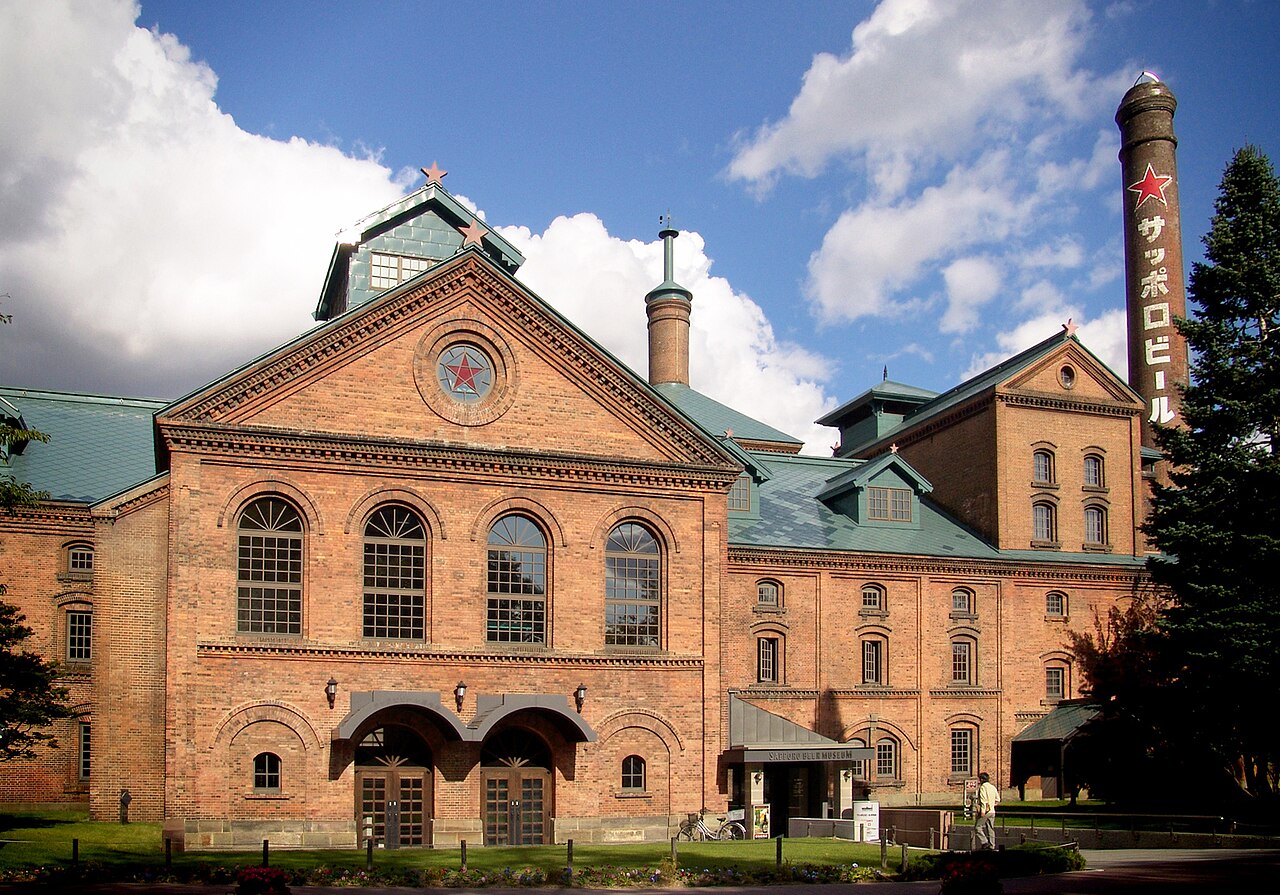
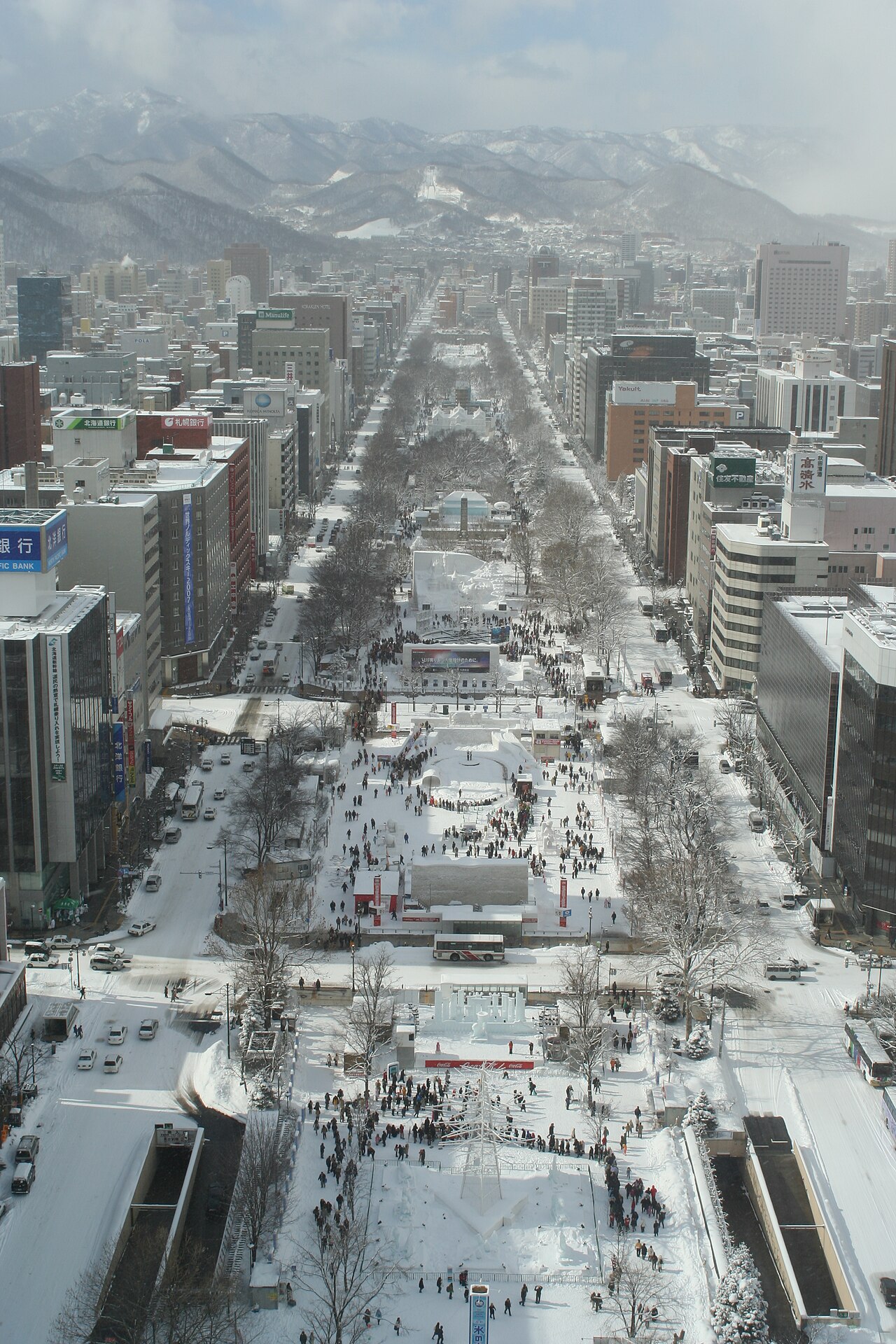
Admission is a modest fee, with free entry for young children and visitors aged 65 and over. Combine it with the Sapporo Beer Museum in a single day east of downtown, or visit alone for a quiet, immersive afternoon. Check the website before you go for hours, events and any seasonal changes.
What to expect
The experience
A walk through a recreated frontier town of relocated historic buildings, with horse-drawn transport in season and indoor displays.
Best time
Summer for the full tramway season, or winter weekends for sleigh rides, with weekdays quieter.
How long
About three to four hours.
Tips
The village is closed on Mondays and at New Year, so plan around that, and wear warm layers and boots in winter.
Quick picks
- Best for
- History lovers and families who like walking through the past.
- Families
- Lots of space to roam, with sleigh rides in winter and a tramway in summer.
- Couples
- A quiet, snowy afternoon with a sleigh ride on a winter weekend.
- Pair with
- The Sapporo Beer Museum and Odori Park.
- Time needed
- Plan half a day including the bus ride.
Good questions
What is the Historical Village of Hokkaido?+
It is an open-air museum of historic buildings from across Hokkaido, rebuilt as a frontier town in a forest park east of Sapporo.
What are the opening hours?+
The village is open 9:00 to 17:00 from May to September and 9:30 to 16:30 from October to April. It is closed on Mondays and over the New Year.
Can I ride a sleigh in winter?+
Yes, horse-drawn sleighs run on weekends, holidays and Snow Festival days from mid-December to March for an extra fee.
How do I get there?+
Take a bus from Shin-Sapporo Station, about 15 minutes. By car it is about 20 minutes from the Sapporo-Minami interchange, with free parking.
Is it worth visiting in November?+
Yes, if you enjoy quiet, cool-weather walks, although the tramway season is ending and some paths are cold. Check the site for current hours.