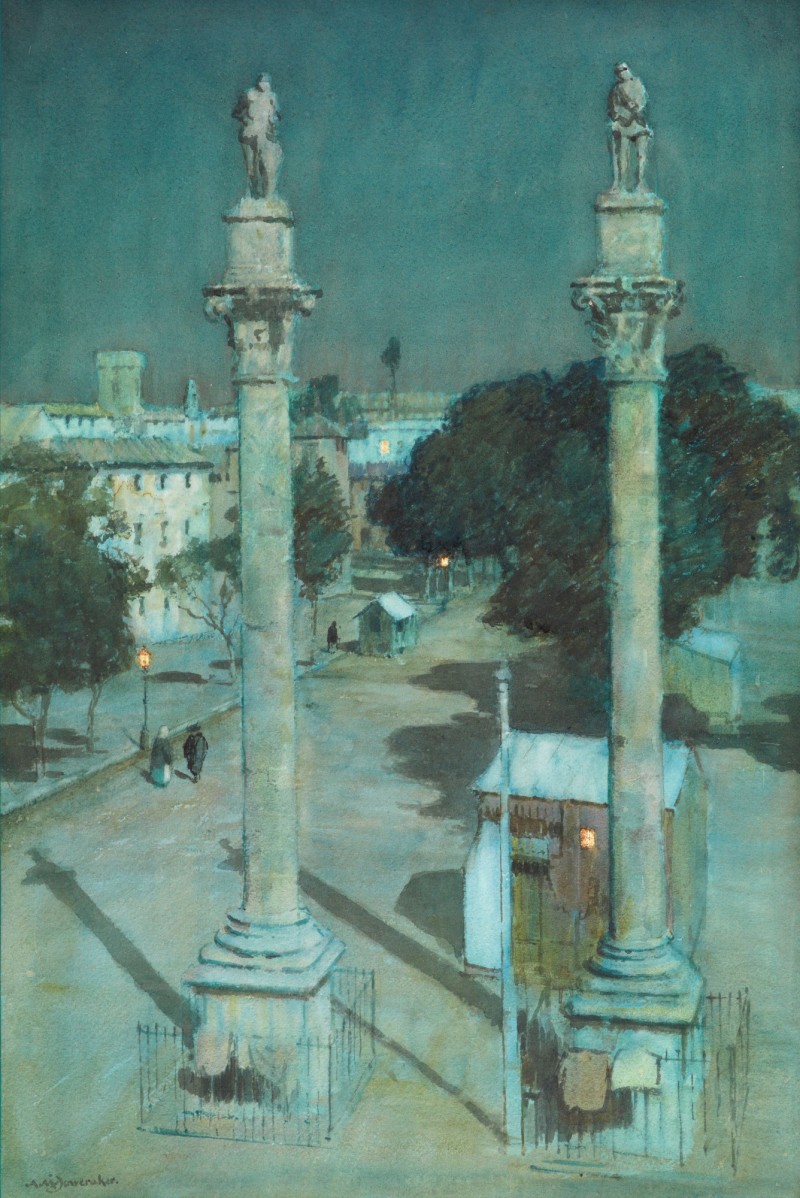
If Santa Cruz is Seville's postcard, the Alameda de Hércules is its living room. This long, broad promenade in the north of the old town was inaugurated in 1574 by the Count of Barajas, the Crown's chief magistrate in Seville, on the site of a marshy lagoon, and it is often described as the oldest public promenade in Europe. At its southern end stand two Roman columns, moved here in the sixteenth century from the remains of an ancient temple on the Calle Mármoles, and topped with statues of Hercules and Julius Caesar, the mythical and historical founders of Seville. At the northern end, a later pair of columns carries lions bearing the arms of Spain and the city. Over the centuries the Alameda has had many lives. It was a fashionable promenade, then the gathering place of bullfighters, flamenco artists, poets and bohemians in the nineteenth and early twentieth centuries, with cafés cantantes and, later, circuses and open-air cinemas; then it fell into decline and gained a reputation as a rough area. A major renovation in 2008 turned it into what it is today: a wide pedestrian boulevard lined with trees, benches, fountains and children's playgrounds, and fringed on both sides with terraces, cafés, cocktail bars, music venues and restaurants. It is now the centre of Seville's alternative and creative scene, with vintage shops, street art, independent galleries and a lively LGBTQ-friendly nightlife, and it is where many young Sevillanos meet in the evening. During the day, families gather around the playgrounds and the fountains; at night, the terraces fill up and the bars play music until late.
When to go: for a relaxed drink, the late afternoon and early evening, when the sun is low and the terraces fill with locals; for nightlife, after dinner, when the music bars and clubs come alive, especially at weekends. On the second Saturday of most months, except August, an organic produce market sets up on the Alameda, and on the second Sunday a solidarity market of vintage and handmade goods. During the day, it is a pleasant, shady place for coffee and breakfast, and the playgrounds make it a good stop for families. It is free, of course, and open at all hours.
Eating and drinking: the Alameda and its side streets have some of the most interesting food in Seville, from traditional tapas bars to modern restaurants and international cuisine, generally at better prices than around the Cathedral. Walk the full length and choose a terrace that catches your eye, or explore the streets just off it, such as the Calle Calatrava and the Calle Relator, where small bars and cafés serve a more local crowd. It is a good place to experience Seville's late dining culture: Sevillanos rarely eat dinner before nine or ten.
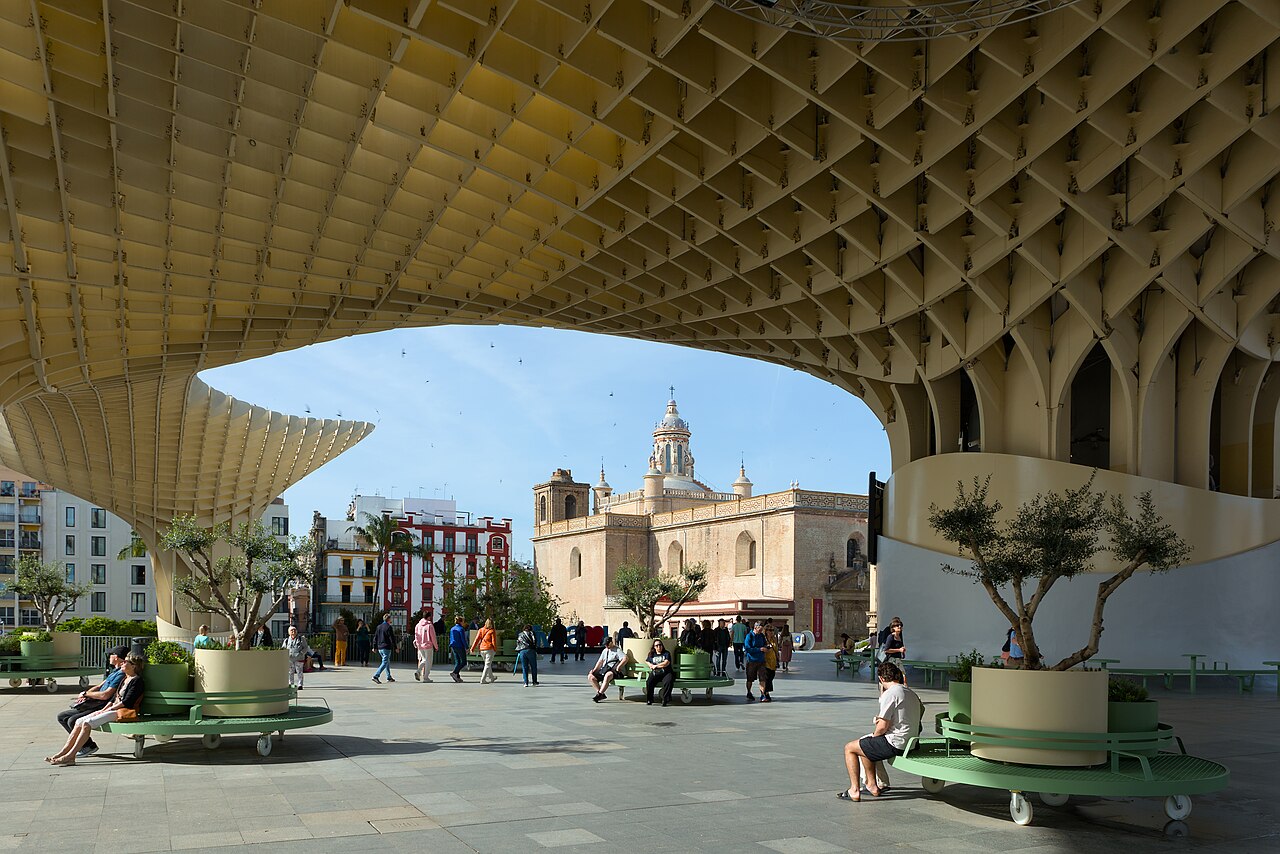
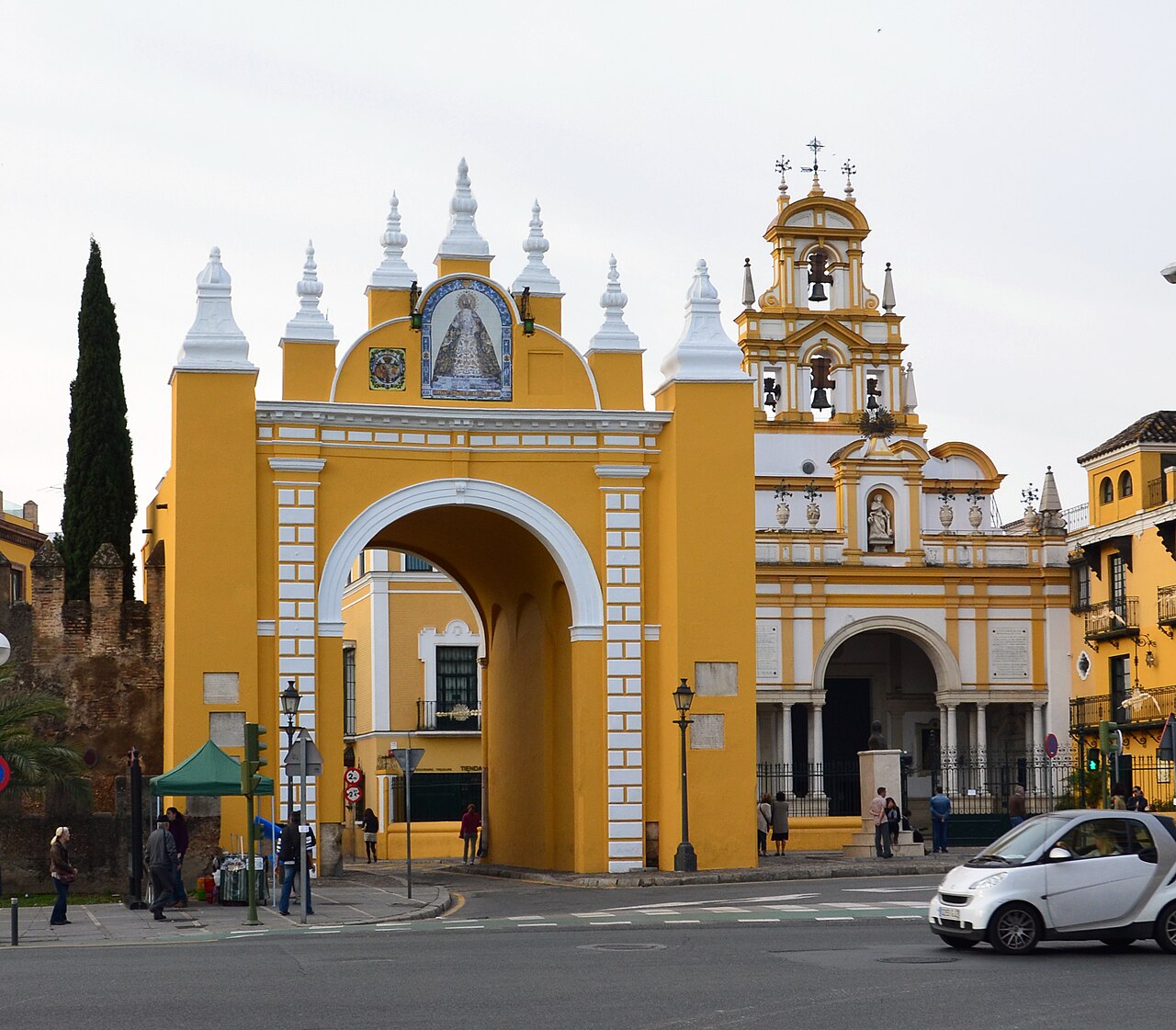
Around the Alameda: close by are the Centro Mudéjar in the Palace of the Marqueses de la Algaba, a small free museum of Mudéjar art, and the convent of Santa Clara; further north, the Basílica de la Macarena and the old walls; to the south, the Setas de Sevilla and the Palacio de las Dueñas. Across the Barqueta bridge, the island of La Cartuja holds the Monasterio de la Cartuja and Isla Mágica. The Alameda is about fifteen to twenty minutes on foot from the Cathedral, and the neighbourhood is a good base for travellers who want local life, though it can be noisy at night at weekends. Historically, the Alameda was also one of the cradles of flamenco in the city, home to cafés cantantes and to legendary performers, and that heritage lives on in the occasional live music that spills out of its bars. If you want to see how Sevillanos spend an ordinary evening, this is the place to watch.
What to expect
The experience
A long pedestrian promenade with Roman columns, playgrounds, fountains and terraces, lined with bars, restaurants and music venues.
Best time
Late afternoon and evening for terraces; after dinner for nightlife; mornings for families and the monthly markets.
How long
An hour for a stroll and a drink; an evening for dinner and music.
Tips
Explore the side streets for local bars. Check the monthly market dates. Expect late dinners and noisy weekends.
Quick picks
- Best for
- Travellers who want local, creative Seville and an evening away from the tourist centre.
- Families
- The playgrounds and fountains make it a good daytime stop; evenings are livelier and later.
- Couples
- A terrace drink at sunset, dinner in a side street and live music after.
- Pair with
- The Basílica de la Macarena, the Setas de Sevilla and the Palacio de las Dueñas.
- Time needed
- One to three hours, or a whole evening.
Good questions
Why is it called the Alameda de Hércules?+
Alameda means a tree-lined promenade, and two Roman columns at its southern end carry statues of Hercules and Julius Caesar, the legendary founders of Seville.
Is the Alameda safe?+
Yes. Since its 2008 renovation it has become a popular family and nightlife area. Take normal city precautions late at night.
Is it good for nightlife?+
It is the centre of Seville's alternative nightlife, with cocktail bars, music venues and a lively LGBTQ-friendly scene.
Are there markets?+
Yes. An organic produce market is held on the second Saturday of most months, and a solidarity vintage market on the second Sunday.
How far is it from the Cathedral?+
About fifteen to twenty minutes on foot through the old town, passing the Setas de Sevilla.