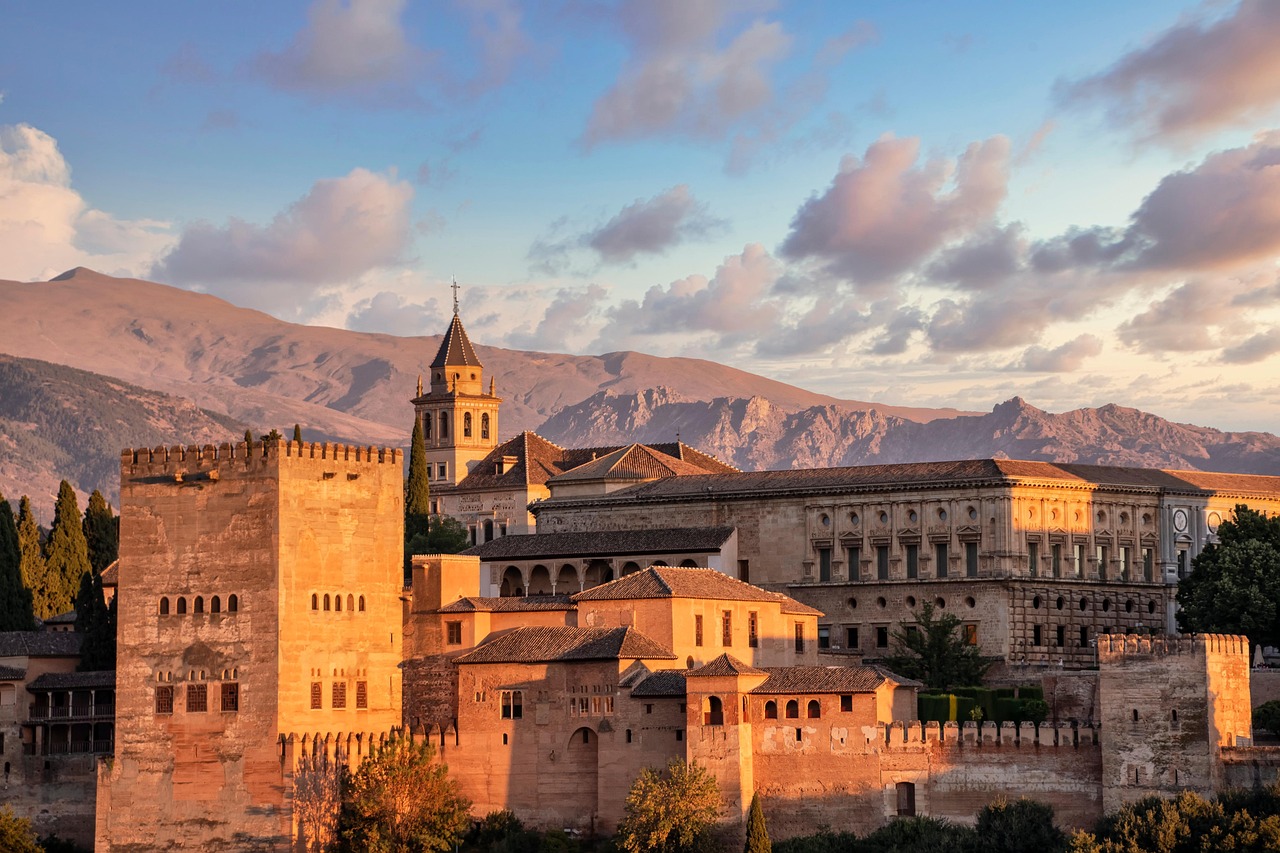
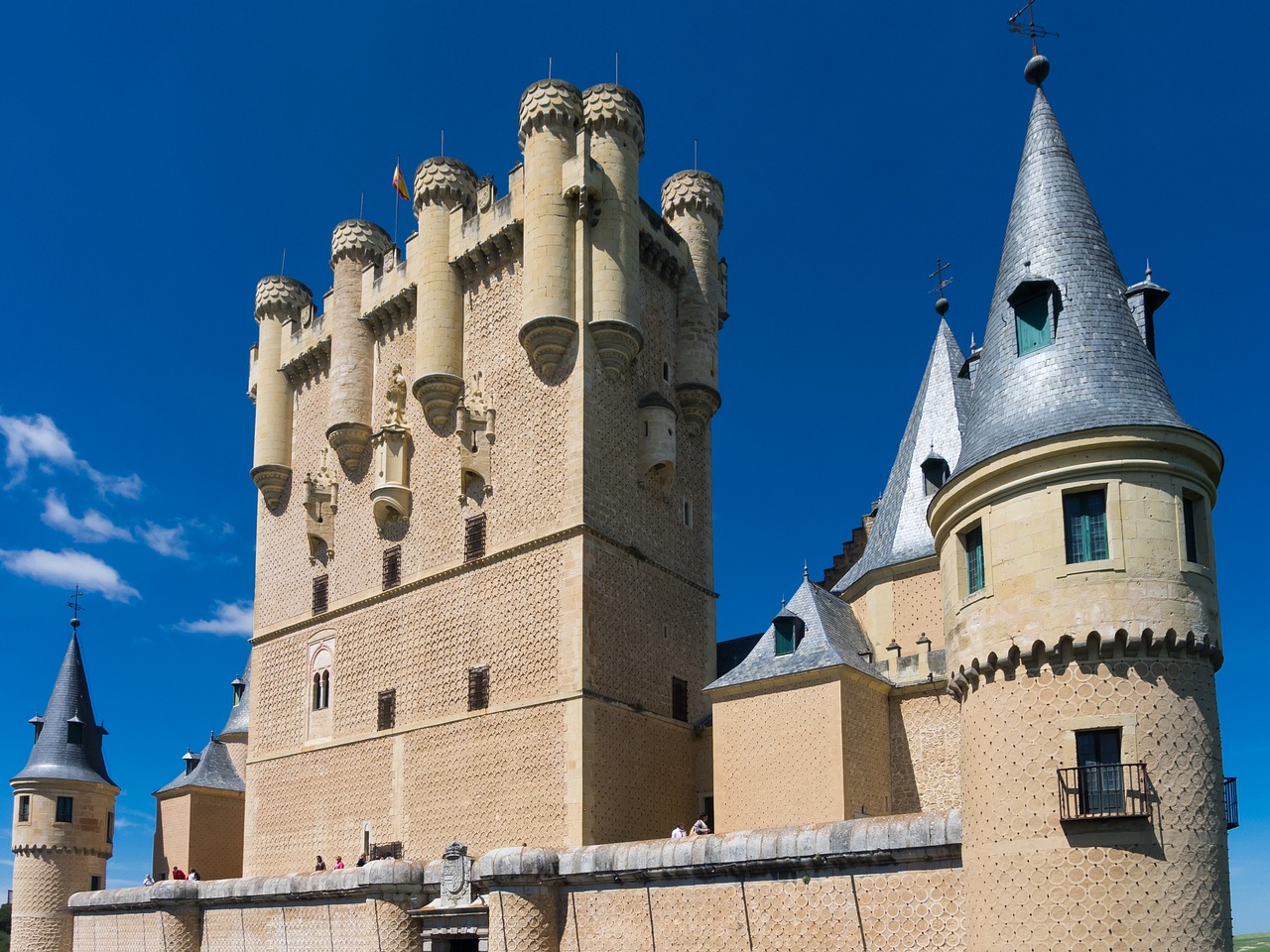
A thousand years of palaces in one walled compound — the Mudéjar Palace of Pedro I with its Patio de las Doncellas and golden-domed Hall of Ambassadors, Gothic halls hung with tapestries, vaulted baths and acres of orange-scented gardens. Still a royal residence; book a timed slot.
The largest Gothic cathedral in the world, raised on the site of the Almohad great mosque — with the tomb of Christopher Columbus, a gilded altarpiece of breathtaking scale, the Patio de los Naranjos and the Giralda, a twelfth-century minaret you climb by ramps instead of stairs.
 Free
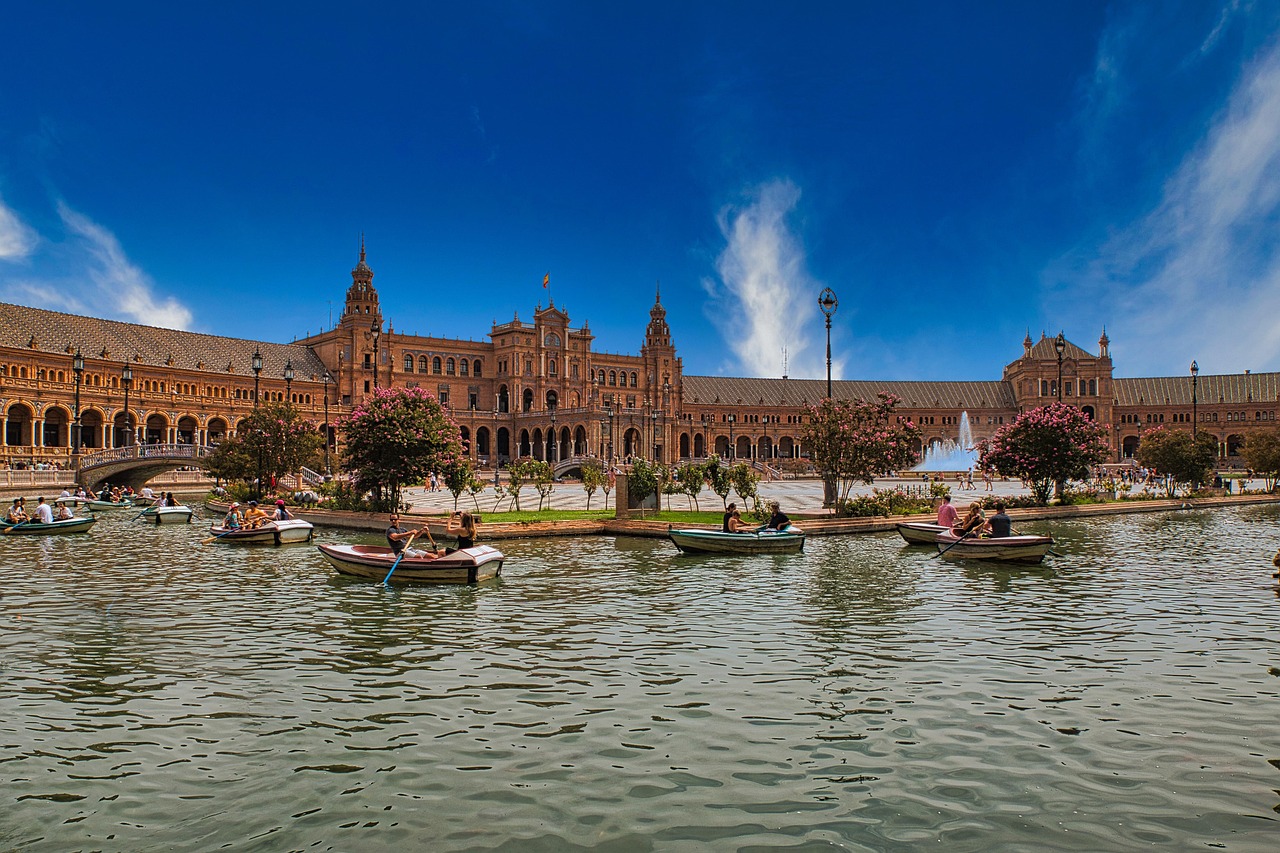
Aníbal González's tiled half-moon built for the 1929 Ibero-American Exposition — a sweeping brick palace with two towers, four bridges over a canal where you can row a boat, and a ceramic alcove for every Spanish province. Free to enter and spectacular at any hour.
Six giant timber parasols over the Plaza de la Encarnación, with a rooftop walkway winding between the old town's domes and bell towers, a 360-degree viewpoint, an immersive show and an evening light display — plus Roman and Moorish ruins in the basement.
45 min - 1.5 hours$Tickets → See flamenco where it grew up — in an intimate tablao with a guitarist, a singer and a dancer close enough to hear the footwork crack, or at the Flamenco Dance Museum in Santa Cruz. Book an early show, choose a small venue, and let the cante carry you.
The finest noble palace in Seville — a sixteenth-century blend of Mudéjar plasterwork, Gothic tracery and Italian Renaissance marble around a tiled courtyard filled with Roman statues, with secret-feeling gardens and the largest display of historic azulejos in the city.
An hour on the river that made Seville rich — departing beside the thirteenth-century Torre del Oro, gliding past the bullring, the Triana waterfront, the bridges of the 1992 Expo and the palms of the Paseo de las Delicias. Best at sunset with a drink in hand.
Under an hour by high-speed train, Córdoba holds one of the wonders of the world: the Mezquita, a forest of red-and-white horseshoe arches with a Renaissance cathedral rising from its heart. Add the Jewish quarter, the Roman bridge and the flower-filled patios for an unforgettable day.
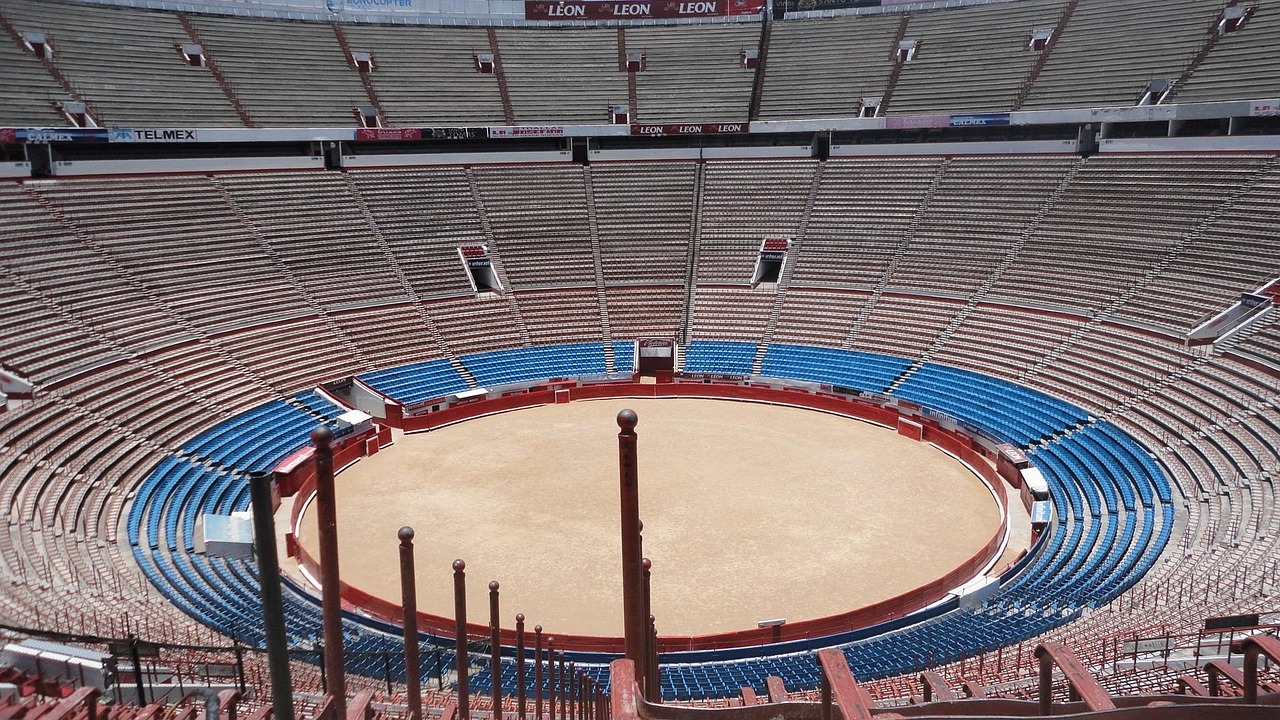
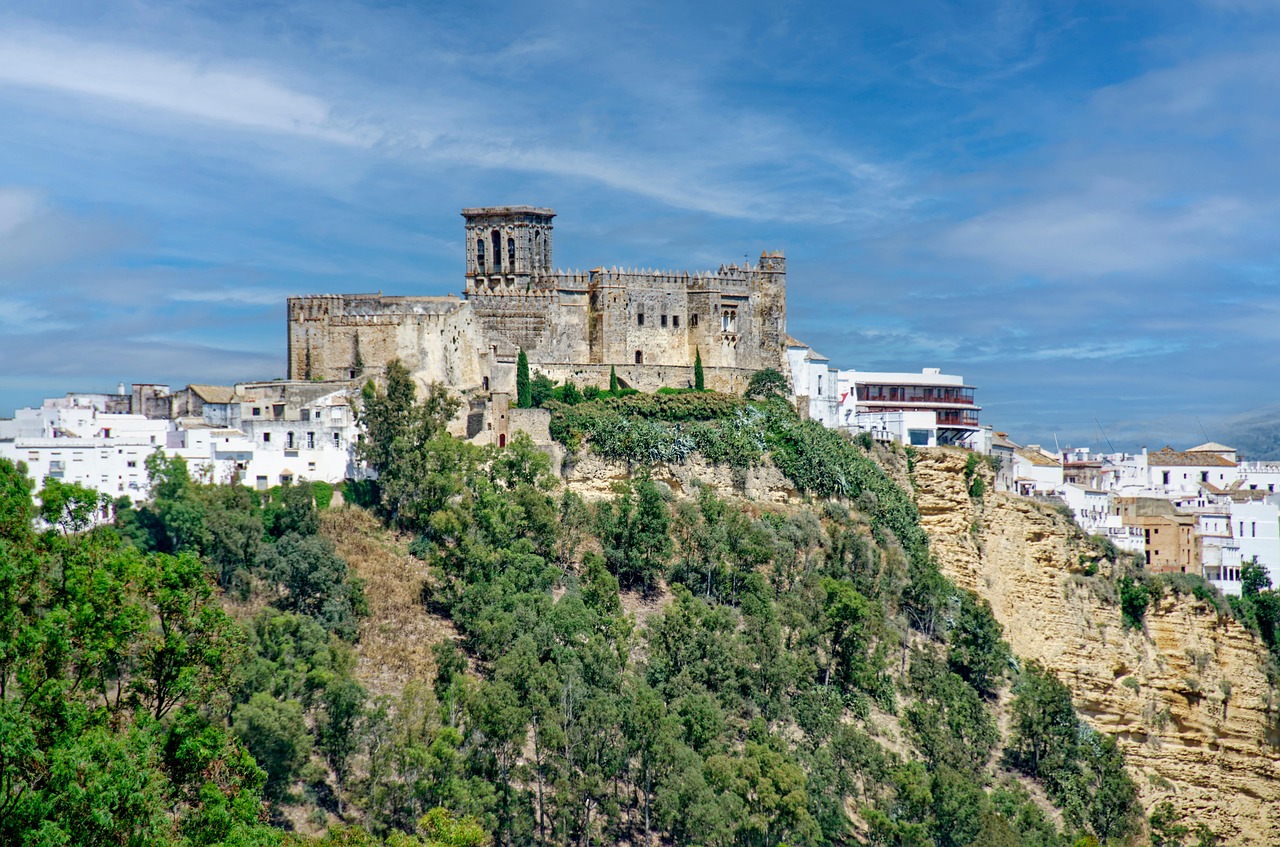
A town split by a dizzying gorge, joined by the eighteenth-century Puente Nuevo, with one of Spain's oldest bullrings — reached through the white villages of the Sierra de Grazalema, clinging to crags above olive groves. The great Andalusian road trip, done in a day.
FreeSeville's old Jewish quarter — a maze of whitewashed lanes, flower-hung balconies and tiny orange-tree squares tucked against the walls of the Alcázar. Free to wander, best at dawn or after dark, and the setting of half the city's legends.
FreeAcross the river, the barrio of sailors, potters and flamenco singers — the iron Triana Bridge, the painted façades of the Calle Betis, a food market built over the Inquisition's castle, ceramic workshops and some of the most local tapas bars in Seville. Free to explore.
FreeThe Renaissance merchants' exchange that became the archive of the Spanish empire — 80 million pages, maps and documents signed by Columbus, Magellan, Cortés and Pizarro, displayed in vaulted galleries lined with mahogany shelves. Free, and the quiet third of Seville's UNESCO trio.