The Palazzo dei Normanni is the oldest royal residence in Europe, and its crown jewel is the Cappella Palatina, built in the 1130s for King Roger II. Step inside and the walls are covered in gold-ground mosaics, scenes from the Old and New Testaments rising to a Christ Pantocrator in the apse, while overhead a carved wooden ceiling in the Arab-Fatimid style drips with painted stalactites. The mix of Byzantine, Arab and Norman craftsmanship is the whole story of medieval Sicily in a single room, and the chapel is part of Palermo's UNESCO World Heritage listing for Arab-Norman architecture. The rest of the palace is worth the ticket too. The Royal Apartments, the Hall of Roger II with its hunting-scene mosaics and the garden courtyards give a sense of a court that was Christian, Muslim and Jewish at once. Today the building also houses the Sicilian Regional Assembly, so some rooms open only on set days or under guidance.
A good visit starts with the chapel because of its power, but it also means you will be among the crowds. Lines form at the entrance, and the chapel itself can feel packed with groups in high season. A timed entry or guided ticket, which is what the Tiqets option provides, makes the experience smoother and lets a guide interpret the iconography for you, from the Pantocrator to the Muslim-style ceiling carved with scenes of courtly life.
Getting there: the palace stands at the western edge of the old city, on Piazza Indipendenza, and is easy to reach on foot from the Cathedral via Corso Vittorio Emanuele. The Mercato di Ballarò and the Quattro Canti are within a short walk. The palace rooms and the chapel have separate rules and reduced hours on days when the Regional Assembly is in session, so check the official calendar before choosing your day, and book ahead rather than relying on a walk-up queue.
Etiquette and extras: the chapel is a place of worship, so dress with covered shoulders and knees, and keep voices low. Cameras are generally allowed without flash. If you have extra time, add the Royal Apartments and the gardens next to the palace, then continue to San Giovanni degli Eremiti, a short walk away, whose red domes are a classic of Arab-Norman design. Pair the visit with lunch in the Capo or Ballarò markets.
What to expect
The experience
A guided or timed visit to the Palatine Chapel and the palace rooms, with commentary on the mosaics, the wooden ceiling and the Norman court.
Best time
Early in the day to avoid the heaviest groups and the midday heat.
How long
Ninety minutes to two hours with the royal apartments and gardens.
Tips
Cover shoulders and knees, book a timed slot and check which rooms are open when the Regional Assembly sits.
Quick picks
- Best for
- Anyone interested in art history or in what makes Palermo unique.
- Families
- Older children enjoy the gold mosaics; keep younger ones close, since the chapel is a quiet place of worship.
- Couples
- A morning here, then a lunch of market food and an afternoon walk in the old town.
- Pair with
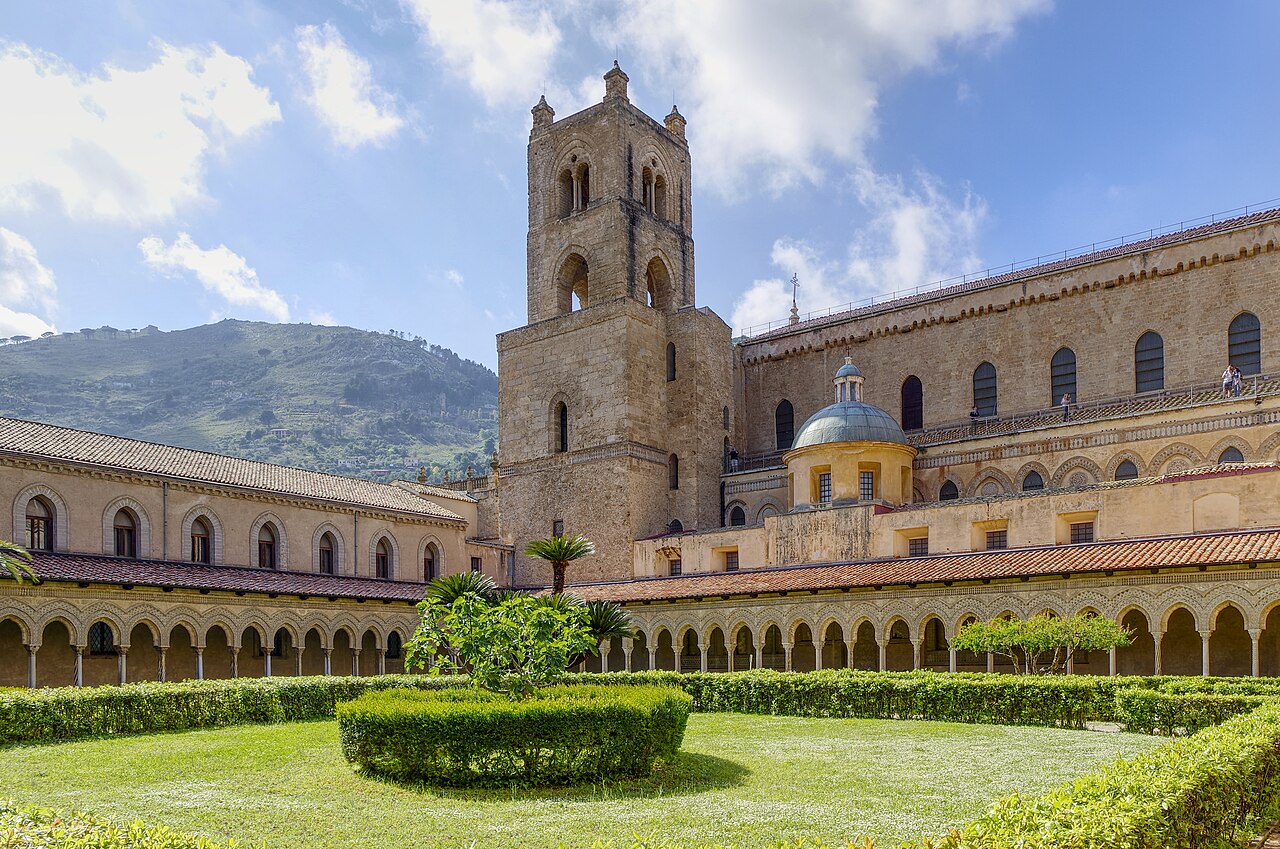
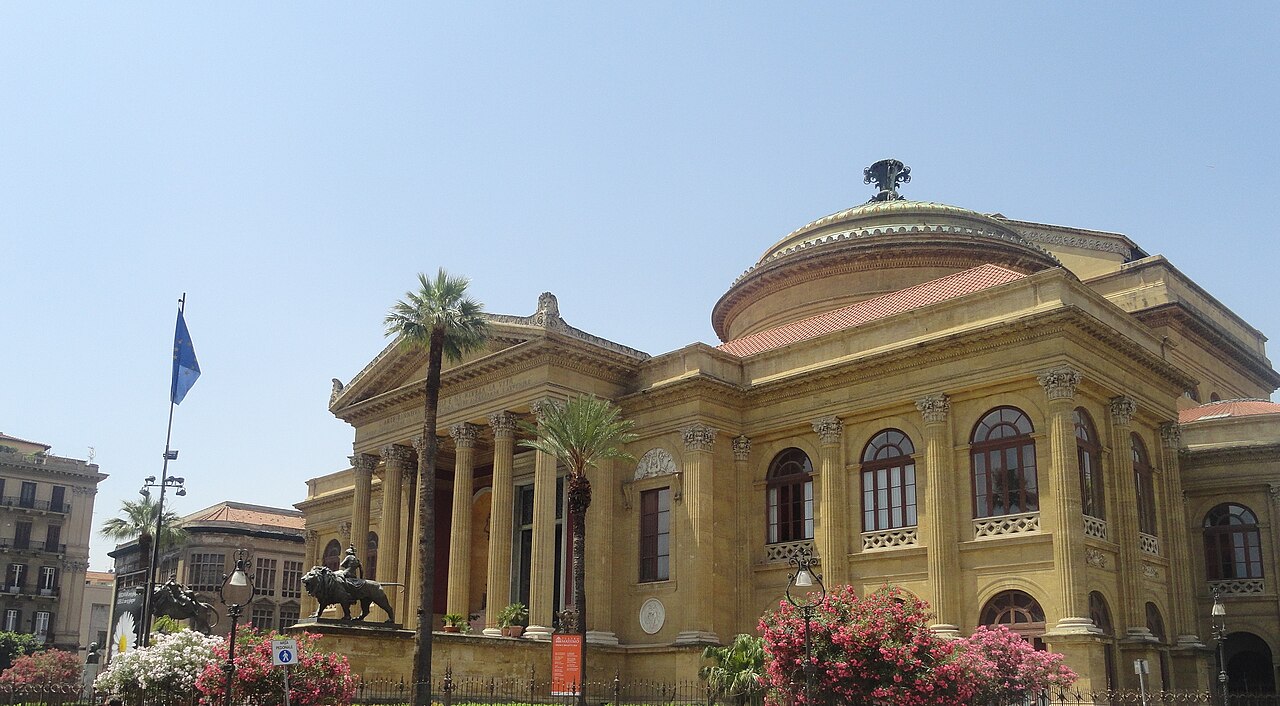
- Monreale Cathedral, the Palermo street food tour and the Teatro Massimo.
- Time needed
- Two hours including queues and the walk through the palace.
Good questions
Why is the Palatine Chapel so famous?+
It combines Byzantine mosaics, an Arab-style wooden ceiling and Norman architecture in a single space built in the twelfth century. It is regarded as one of the greatest medieval interiors in Europe.
Do I need to book in advance?+
Yes, a timed or guided ticket saves waiting, and some rooms have restricted access. Book as early as you can in spring and summer.
Is there a dress code?+
The chapel is an active place of worship, so cover shoulders and knees. Be quiet and avoid flash photography.
Is the palace open every day?+
Opening patterns vary and parts close when the Sicilian Regional Assembly meets. Check the official schedule for the date you want.
What else is nearby?+
San Giovanni degli Eremiti with its red domes, the Cathedral and the Ballarò market are all within walking distance of the palace.