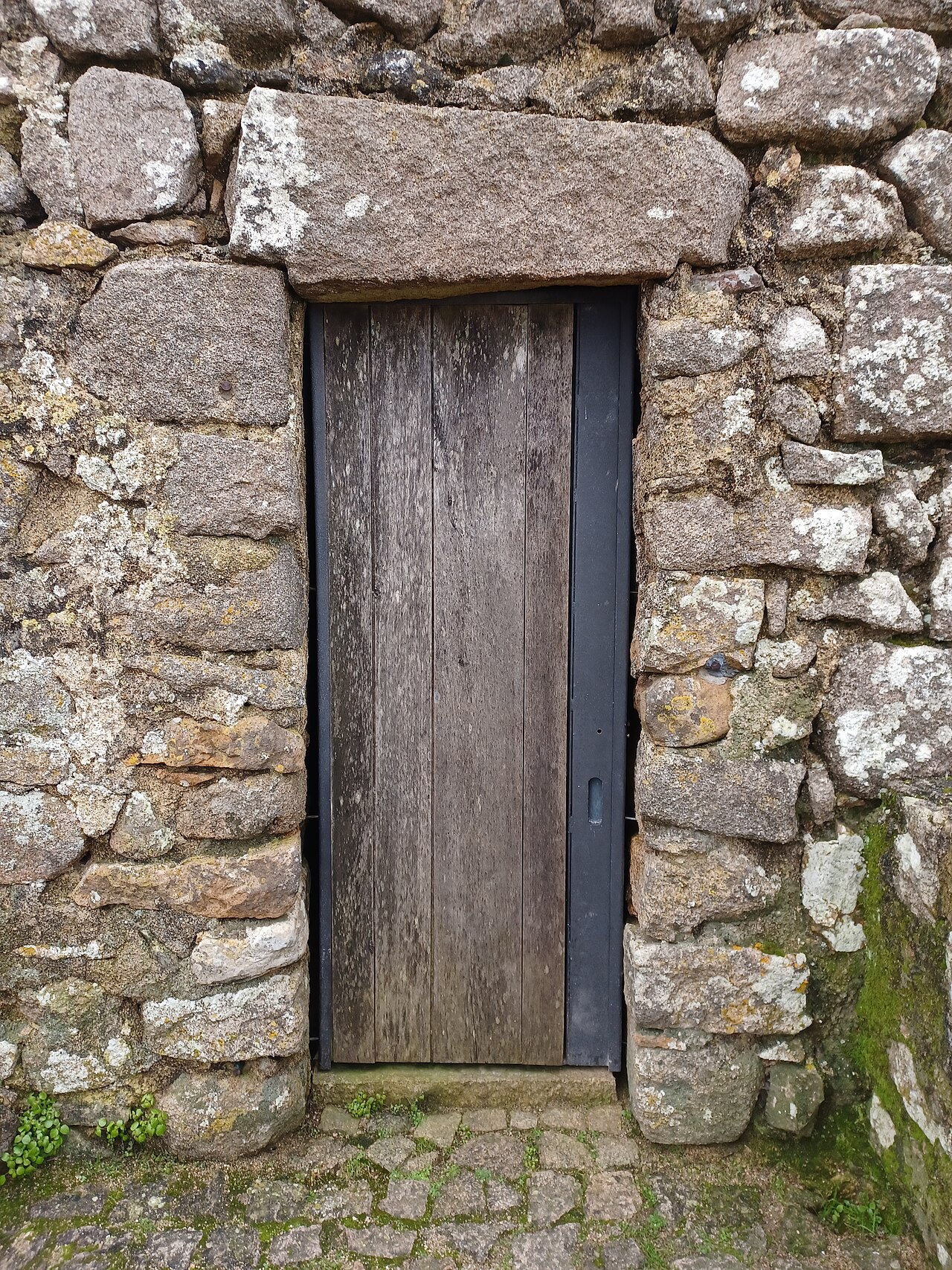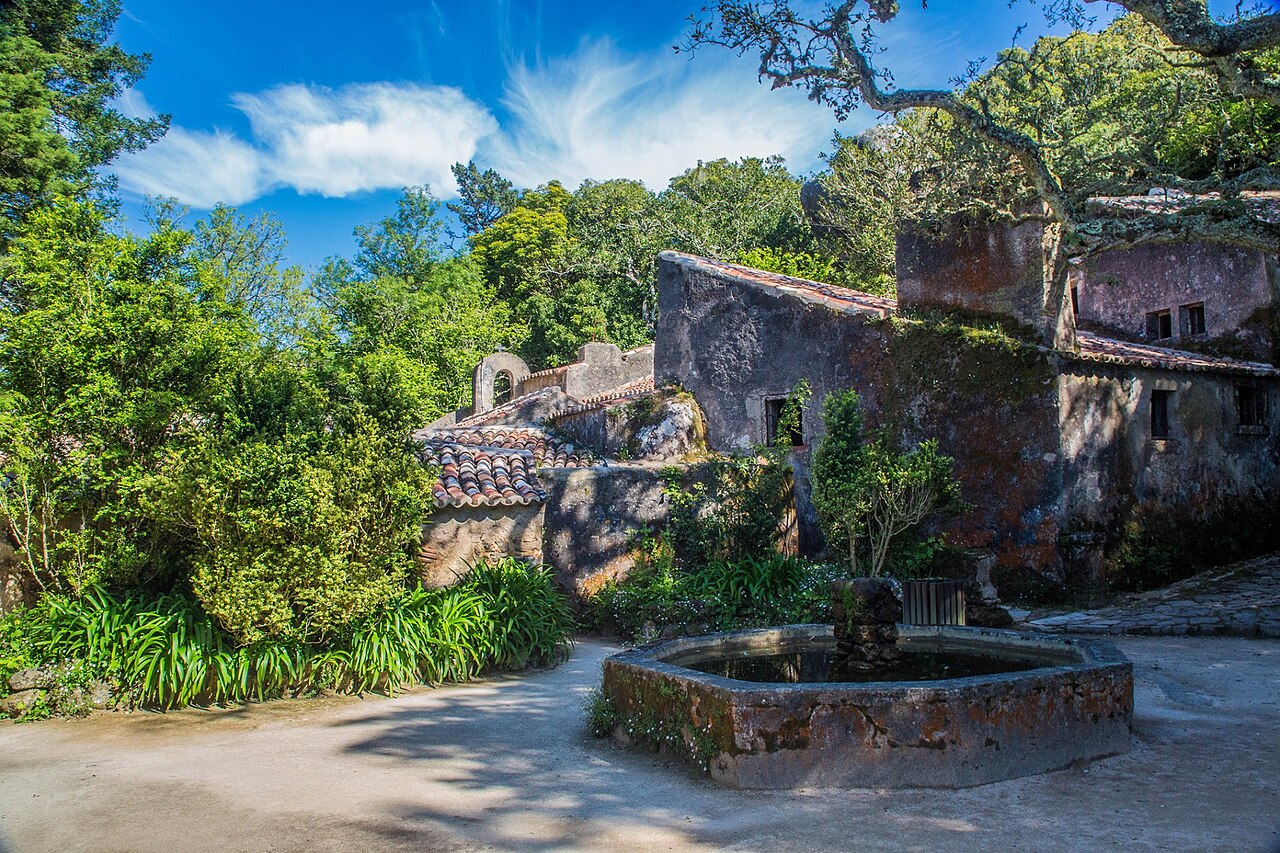
The Convent of the Capuchos, known in Portuguese as Convento dos Capuchos and often called the Cork Convent, is the quietest and most humbling of Sintra's monuments. It was founded in the sixteenth century by Franciscan friars who wanted a life of poverty and solitude, and they built it into the forest on the southern slopes of the Sintra hills, using the granite boulders themselves as walls and ceilings. The result is a cluster of tiny cells, chapels, a kitchen and a refectory with low doorways, narrow corridors and rough stone, where many of the rooms are lined with cork to keep out the damp and the cold. The friars left in the nineteenth century, and the site was later restored and opened to visitors, who now follow a path that winds between mossy rocks, tall trees and ferns. Compared with Pena or Regaleira the contrast could not be sharper: there is no gilding, no royal furniture and far fewer people, only a sense of how a community once chose to live with almost nothing. The convent belongs to the UNESCO World Heritage Cultural Landscape of Sintra, and for many travellers it ends up being a favourite precisely because it is so different from the palaces.
Getting there takes a little planning. The convent sits in the forest outside the main palace circuit, on the road that runs from the hills toward Colares and the coast, and it is not on the usual tourist bus loop. Many visitors come by taxi, as part of a private or small-group tour, by rental car or on a long forest walk.
Parking is limited and the narrow forest road can be busy around midday, so a taxi with an agreed return time, or a tour that already includes the stop, takes away the worry. Transport services on the hill change from season to season, so check current options before you set out and do not assume a bus will be waiting when you finish.
Inside, the visit is self-guided and quick, usually forty-five minutes to an hour. Follow the marked route through the church, the cells, the kitchen and the refectory, out onto the terraces and grounds, and stop to read the information boards that explain how the friars lived. Watch your head, because the doorways are famously low, and wear shoes with grip, since the stone steps and paths are uneven and often damp.
The terrain makes it a poor choice for strollers and a difficult one for anyone with limited mobility, although the forest setting is pleasant even if you only manage part of the route. Opening hours and last admission change with the season, and the monuments of Parques de Sintra close on 24, 25 and 31 December and 1 January, so confirm the day you plan to go on the venue's site.
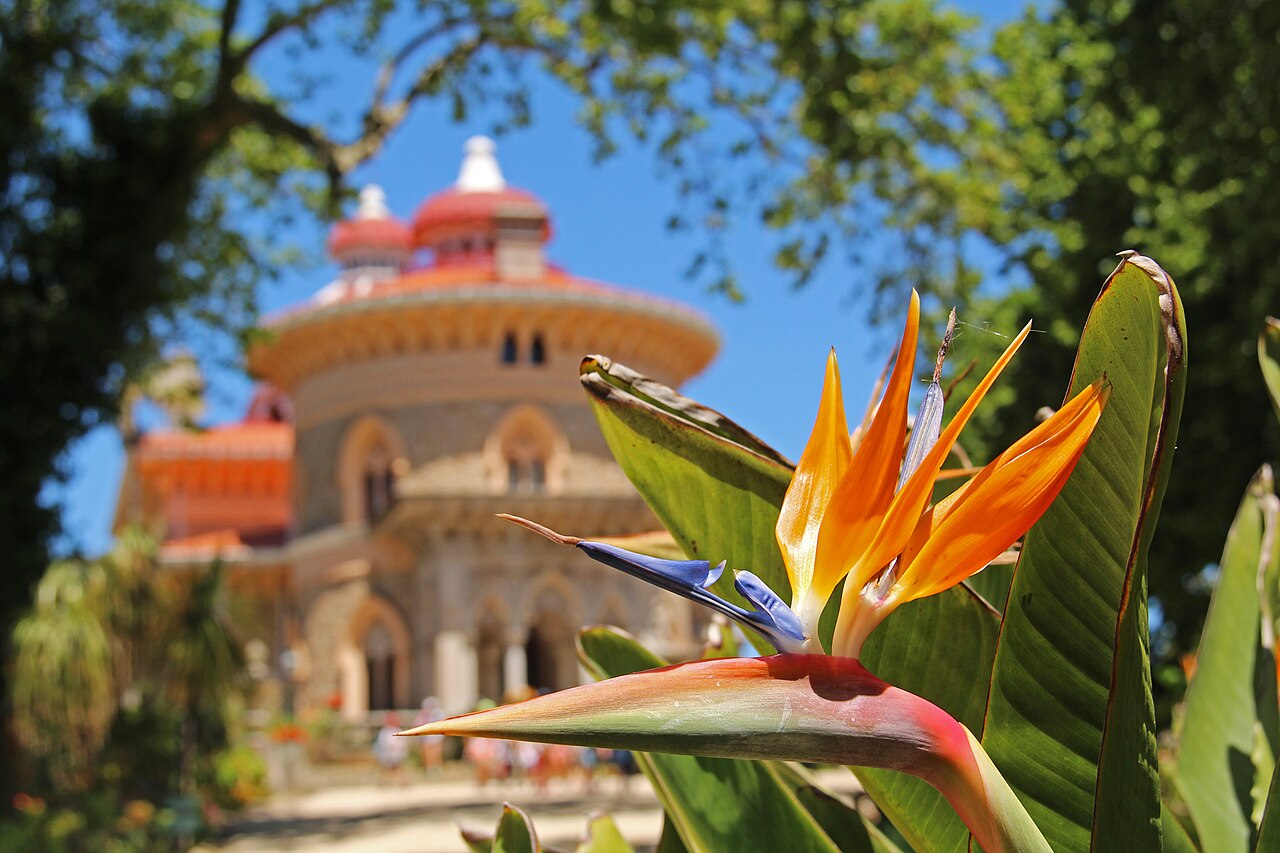
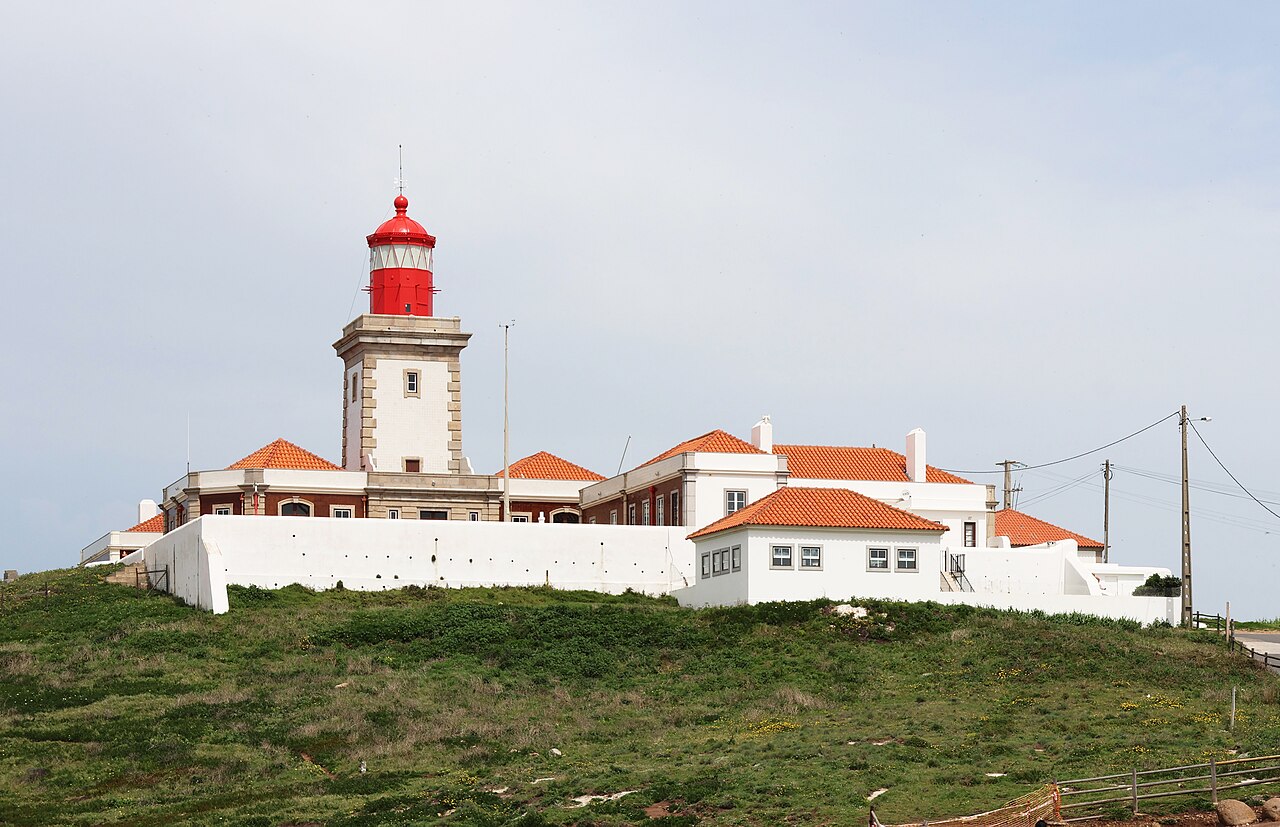
The best way to use the Capuchos is as a counterweight to the grander sights. Many visitors pair it with Monserrate Palace, which lies a short drive away on the same side of the hills, or with Quinta da Regaleira on the way back to the village. If you are driving, it also fits neatly into a day that continues to Cabo da Roca and the coast.
Bring a layer, because the forest is cooler and damper than the village, and go in the morning or on a weekday if you can, because the small spaces feel quite different with only a few people inside. A good camera helps, but the real reward is the atmosphere, which is easiest to enjoy when you can move slowly and linger over the details of stone, cork and moss.
What to expect
The experience
A self-guided walk through a sixteenth-century convent of tiny cork-lined cells, chapels and a refectory, set among forest boulders.
Best time
Weekday mornings, when the narrow rooms are quiet and the forest is cool and misty.
How long
About an hour, plus travel time to and from the forest road.
Tips
Mind your head on the low doorways, wear shoes with grip and arrange your return transport in advance.
Quick picks
- Best for
- Travellers who want a calm, atmospheric counterpoint to the palaces.
- Families
- Older children enjoy the tiny cells and boulders, but the uneven steps and low doorways are not stroller friendly.
- Couples
- A short, quiet forest visit that pairs well with a slow afternoon at Monserrate.
- Pair with
- Monserrate Palace, Quinta da Regaleira or the road on to Cabo da Roca.
- Time needed
- One hour at the site, and a half day if you include the transfer.
Good questions
Why is it called the Cork Convent?+
Many of the doors, ceilings and wall linings in the cells and chapels are covered in cork, which the friars used to insulate the rooms against damp and cold.
How do I get to the Convent of the Capuchos?+
It is outside the main palace loop, so most visitors use a taxi, a tour or a car. Check current bus options in advance, and arrange your return before you go in.
How long does a visit take?+
Most people spend between forty-five minutes and an hour on the self-guided route through the church, cells, kitchen and grounds.
Is it suitable for children and people with limited mobility?+
The route has uneven steps, damp paths and very low doorways, so it suits active children but is difficult with strollers and for visitors with limited mobility.
Is it worth visiting if I have already seen Pena and Regaleira?+
Yes, because it shows a completely different side of Sintra: simple, spiritual and built into the rock rather than decorated.