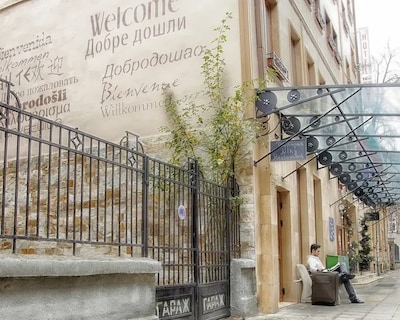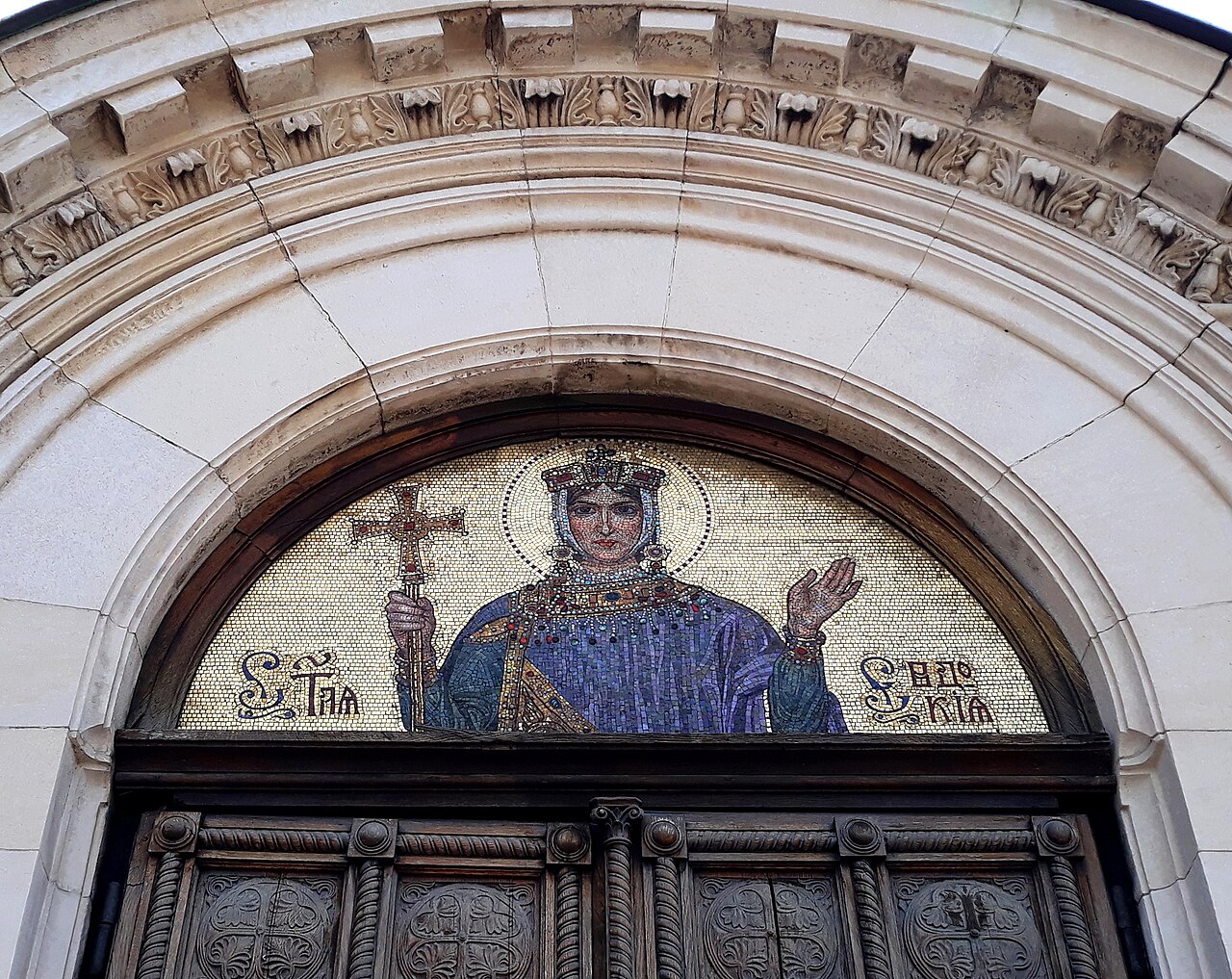
Sofia rewards visitors who arrive with an open mind. It is not a picture-postcard old town like Prague or Kraków; it is a layered, lived-in capital where a Roman street, an Ottoman mosque, a Secession bathhouse and a Stalinist ministry can all stand within sight of one another. It is also affordable, easy to walk and has a mountain at the end of its main street. Here is how to shape a first visit.
How many days
Two full days cover the centre comfortably: the Alexander Nevsky Cathedral, the Serdica ruins, the Rotunda of St George, the museums and Vitosha Boulevard. Add a third day for Rila Monastery, the essential day trip, and a fourth for Boyana Church, the National Museum of History and a walk on Vitosha. Three days is the sweet spot for most first visits.
What to arrange ahead
Very little sells out, but a few things are worth sorting early. Request your Boyana Church visit in advance, since the church is tiny and booked visitors get priority. Book a Rila Monastery day tour, or a car and driver, a few days ahead; public buses are limited. If you want an English guided tour at the National Archaeological Museum or the National Museum of History, arrange it in advance. Reserve dinner at popular restaurants on Friday and Saturday.
Watch the closing days
Mondays are the trap. The National Archaeological Museum closes on Mondays from November to April, and the Museum of Art from the Socialist Period closes on Mondays and public holidays. Many other museums also close one day a week, so check before you go. Churches, the Serdica ruins and Vitosha are open every day, which makes Monday a good day for walking the centre and the mountain. Boyana Church closes briefly twice a day for disinfection, so avoid arriving just before those breaks.
Getting in
Sofia Airport is close to the city. The metro links Terminal 2 with the centre, and taxis are inexpensive; use the official taxi desk or a ride-hailing app rather than accepting offers in the arrivals hall. The central railway and bus stations sit north of the centre, a short metro ride from Serdika.
Getting around
Walk the centre, where most sights lie within twenty minutes of the Largo. The metro is clean, cheap and useful for longer hops, including to the Museum of Socialist Art. Use taxis for Boyana, the National Museum of History and Vitosha. Signs are in Cyrillic with Latin transliteration on most transport. One famous quirk: many Bulgarians shake their head for yes and nod for no, so confirm with words.
Day one: the layers of the centre
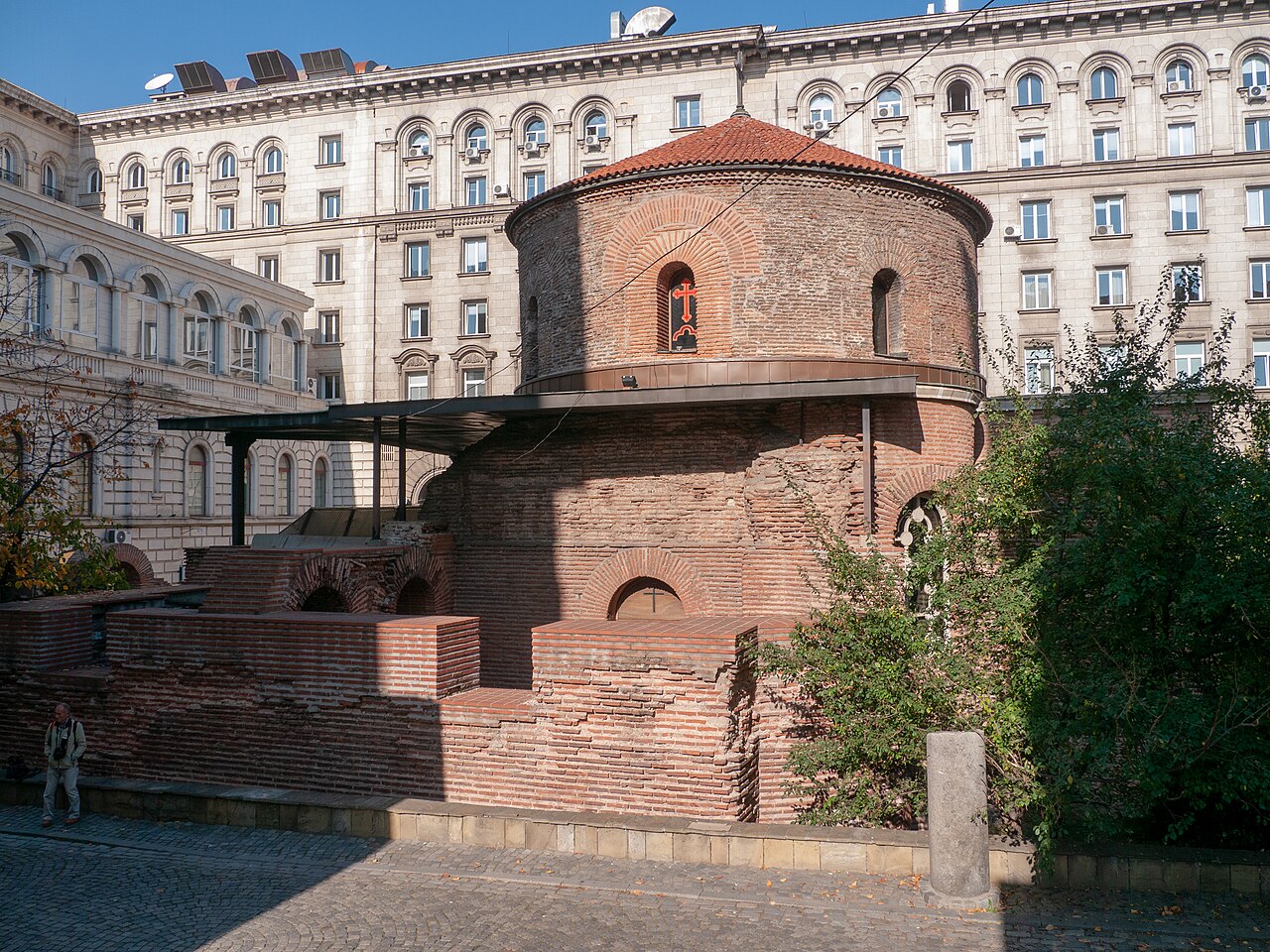
Start at the Alexander Nevsky Cathedral and the icon museum in its crypt, then walk past the St Sofia Basilica and Parliament to the National Archaeological Museum. Step into the courtyard behind the Presidency for the Rotunda of St George, then explore the Roman streets of Serdica around the Largo. After lunch, visit the Sofia History Museum in the Central Mineral Baths, fill a bottle at the warm springs and see the mosque and synagogue nearby. Finish with an evening stroll on Vitosha Boulevard.
Day two: Boyana and the mountain
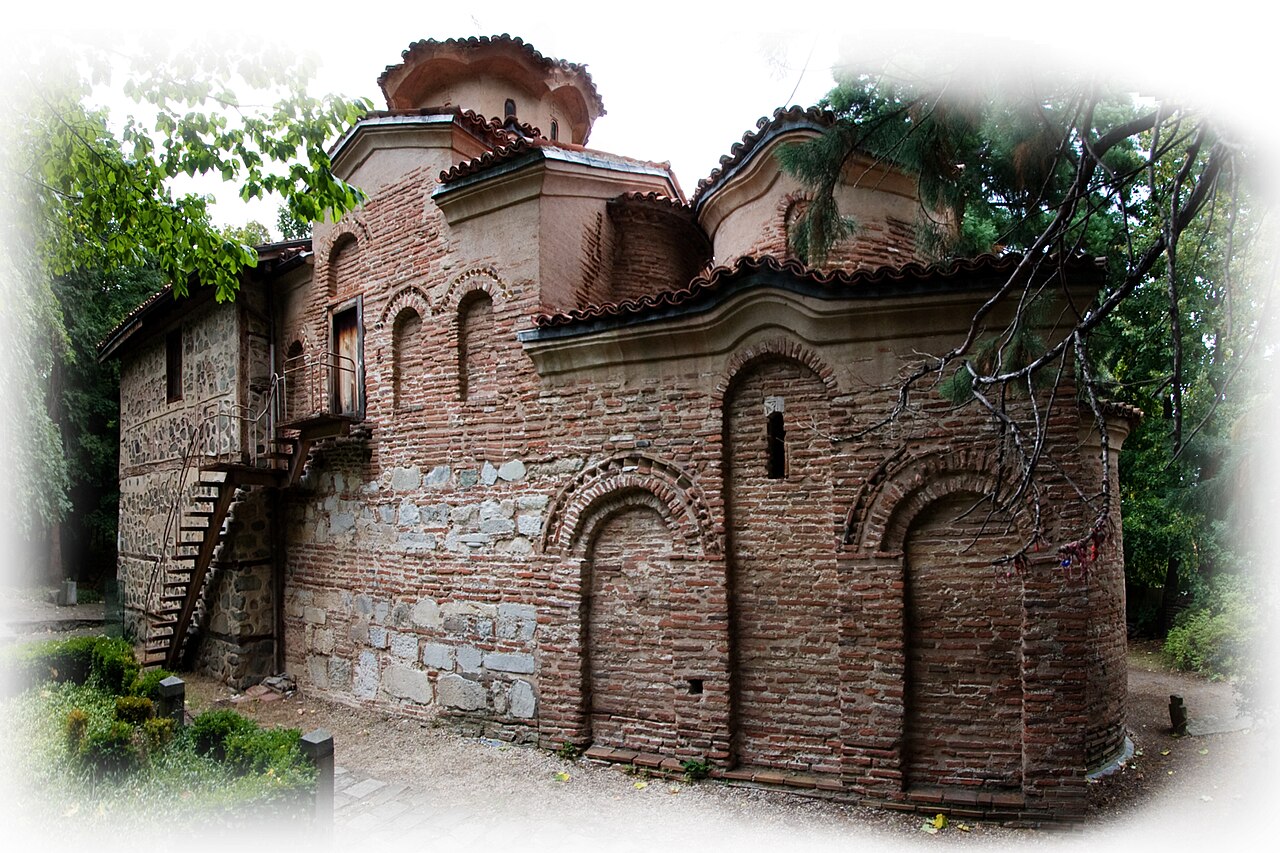
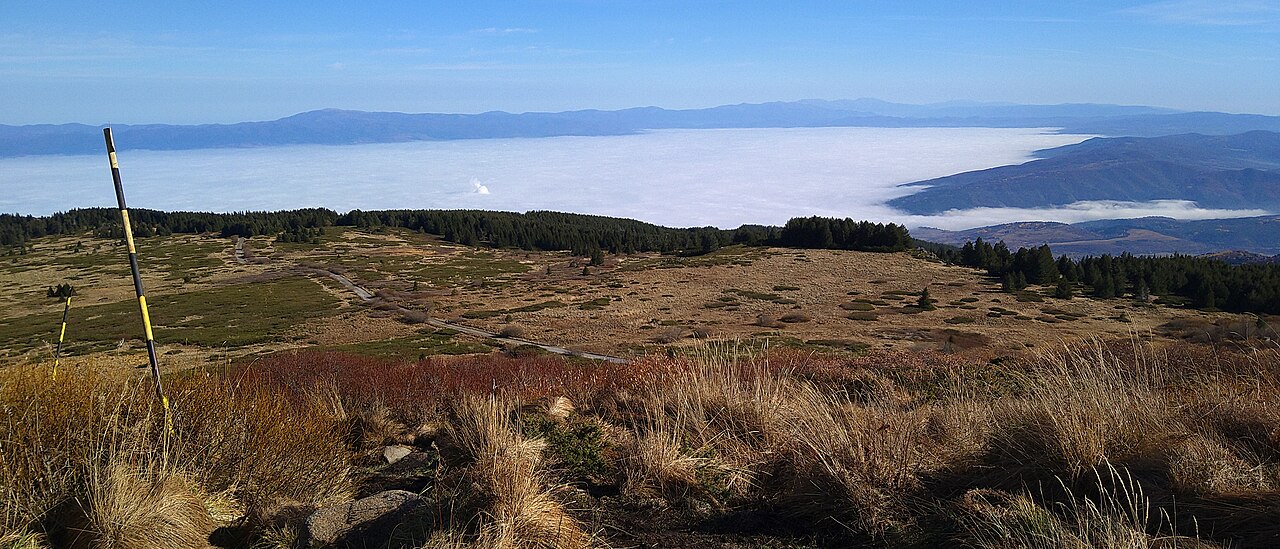
Take a taxi to the National Museum of History, then on to Boyana Church for its 1259 frescoes. In the afternoon, head up Vitosha for a walk at the Golden Bridges, or a longer hike if the weather is good. In the evening, try a mehana, a traditional tavern, for shopska salad and grilled meats.
Day three: Rila Monastery
Leave early for the two-hour drive into the Rila Mountains. See the frescoed church and Hrelyo’s Tower, eat the fried pastries sold by the gate and, if time allows, walk to the cave of St Ivan. With a fourth day, add the Museum of Socialist Art and a slower day in the centre.
Seasons
Late spring and early autumn are ideal, with mild weather for walking and the mountain at its best. Summers are warm but rarely oppressive thanks to the altitude. Winters are cold and can bring snow, which makes Vitosha a ski area but can slow the road to Rila.
Money and manners
Bulgaria uses the euro, and cards are widely accepted, though small cafés, markets and the monastery stalls may prefer cash. Tipping around ten percent for good table service is customary. Dress modestly in churches and monasteries, covering shoulders and knees, and keep quiet during services.