Mistaken Point Ecological Reserve, on the southeastern tip of the Avalon Peninsula, holds fossils of the Ediacara biota, soft-bodied organisms that lived roughly 580 to 541 million years ago and are among the oldest large, complex life forms known. Fossils lie exposed on more than a hundred bedding planes along the shoreline, in shapes that look like feathers, fronds and discs, and the site is recognised as a UNESCO World Heritage Site. You can only see the fossils on a guided tour led by interpreters from the province's Natural Areas program, or with a permit, to protect them from damage. The tour is a hike of about six kilometres across rugged coastal terrain, and it can be wet, muddy and slippery. It is a serious outing, but it gives you access to one of the world's great fossil sites and a glimpse of the origins of animal life.
What to do
The guided tour leaves from the Interpretation Centre in Portugal Cove South, and a 30-minute drive takes you to the trailhead. From there you walk about six kilometres through barrens and along the coast, with guides explaining the geology and the story of the fossils as you go. At the site, the interpreters point out the fossils on the rock surfaces, explain how they formed in the deep ocean under volcanic ash, and describe why they are so important to science.
Look, but never touch or remove anything, since the rules are strict and the fossils are fragile. The coast is dramatic, with fog, waves and seabirds, and the walk itself is a pleasure.
Practical planning
The reserve is about two hours' drive south of St. John's, on the Irish Loop. Reservations are required, and tours often fill up, so book early through the reserve's booking channels. The guided tour is limited to small groups, and it generally runs once a day from the Interpretation Centre, from mid-May to early October. Allow three and a half to four hours in total, including the drive to the trailhead.
Fees apply, and children have a reduced rate or none, so check the current rates when you book. Wear sturdy waterproof footwear, since sandals are not permitted, bring water, a snack and insect repellent, and dress for cool, wet and foggy weather. Dogs are not permitted on the tour. There are no services inside the reserve, only at the trailhead parking area. Tours may be cancelled in dangerous weather.
Fitting it in
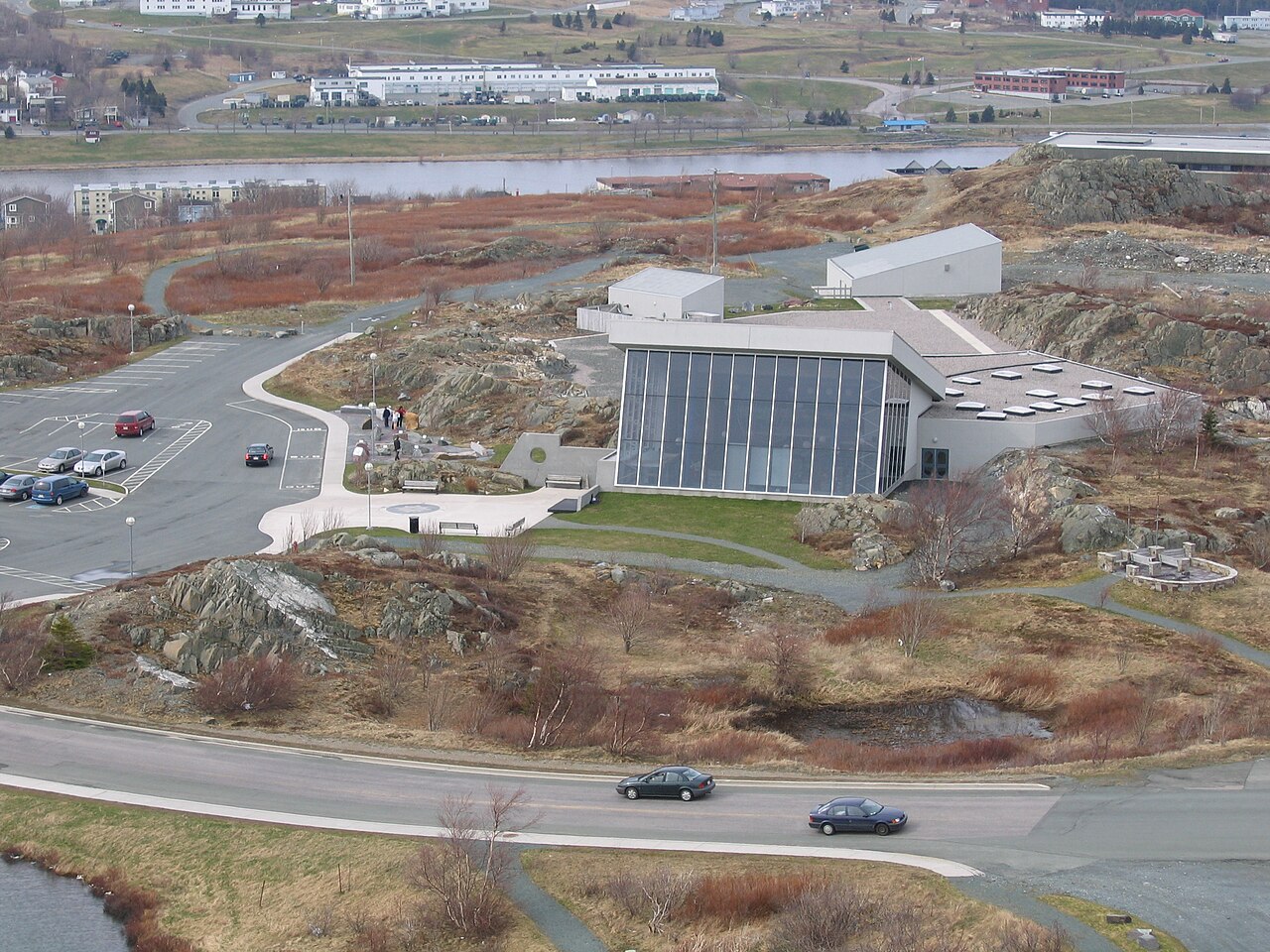
It is best as a full day trip, driving the Irish Loop with a stop at Ferryland on the way, or as part of an overnight on the Southern Shore. Trepassey, about twelve kilometres west, has the nearest tourism services. The Interpretation Centre has exhibits that explain the fossils, and exhibit entry is included with a guided tour. If you are fascinated by geology, pair this with the Johnson Geo Centre in the city, which explains the rocks of the province in general.
If you are not a hiker, the centre itself is still worth a visit, but the experience is really about the walk and the fossils. Allow the whole afternoon, and book the tour before you plan the rest of the day. Plan the rest of the day around the tour time, bring a change of socks for the drive home, and be prepared for the possibility that fog or wind alters the plan, since the guides make the final call on safety and conditions on the day.
What to expect
The experience
A reserved, small-group guided hike of about six kilometres to a fossil site on the coast.
Best time
Mid-May to early October, when the guided tours run; choose a day with decent weather.
How long
Three and a half to four hours, including the drive to the trailhead.
Tips
Reserve early, wear sturdy waterproof shoes, bring water and a snack, and never touch or remove the fossils.
Quick picks
- Best for
- Geology fans and active travellers who want a world-class natural site.
- Families
- Best for older children who can hike about six kilometres on wet, uneven ground.
- Couples
- A memorable shared outing that most visitors never see.
- Pair with
- The Colony of Avalon at Ferryland, on the way down the Irish Loop.
- Time needed
- A full day with the drive from St. John's.
Good questions
Do I need to reserve?+
Yes, reservations are required and tours often fill up, so book early through the reserve. The fossils can only be seen by guided tour or with a permit.
How long is the hike?+
It is about six kilometres and moderately difficult, and the ground can be wet, muddy and slippery. Allow three and a half to four hours including the drive to the trailhead.
When do tours run?+
Guided tours run from about mid-May to early October, generally once a day from the Interpretation Centre. Check with the reserve for current times.
How far is it from St. John's?+
It is about two hours' drive south along the Irish Loop to Portugal Cove South, so a car is needed. Trepassey has the nearest tourism services.
What should I bring?+
Bring sturdy waterproof footwear, water, a snack, insect repellent and layers for cool, foggy weather. Sandals and dogs are not permitted on the tour.