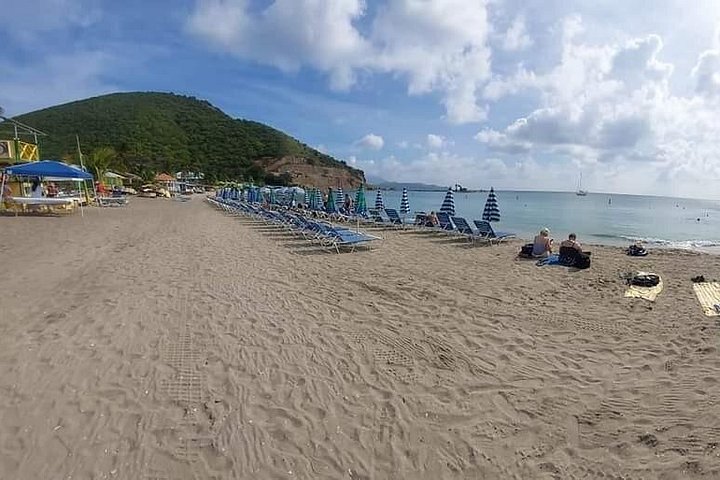
Most visitors know St. Kitts for the pale sand around Cockleshell Beach and Frigate Bay, but the volcanic coast of the north and east tells a different story. Here the beaches are darker, made of fine volcanic sand that was once part of the mountain behind. The shoreline is more rugged, the Atlantic waves are stronger, and the beaches are often empty. This tour is built around that contrast, with time on a black-sand beach and a search for sea glass, the smoothed pieces of old bottles that wash up and are polished by the surf into soft, frosted gems. It is a slow, tactile outing, easy to enjoy with children or on your own, and it shows a side of St. Kitts that tour buses often skip.
Why it is different
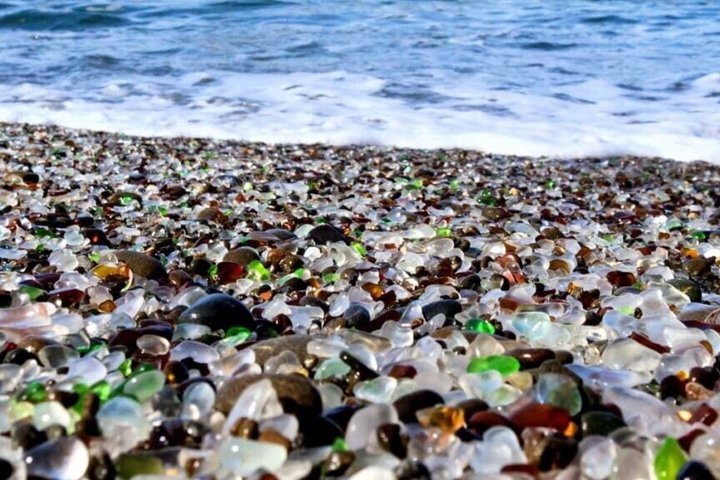
Sea glass is a result of history. Glass bottles from the colonial and plantation era, from ships and from island households, ended up in the sea and were tumbled for decades by sand and water. What comes ashore today is frosted and rounded, in greens, browns, whites and, rarely, blues.
Looking for it is a treasure hunt with a quiet, meditative feel, and a guide can explain where it collects and what the colours mean. You are welcome to keep a few pieces, but it is polite to leave the rare and large ones, and to follow your guide on what can be taken.
The landscape
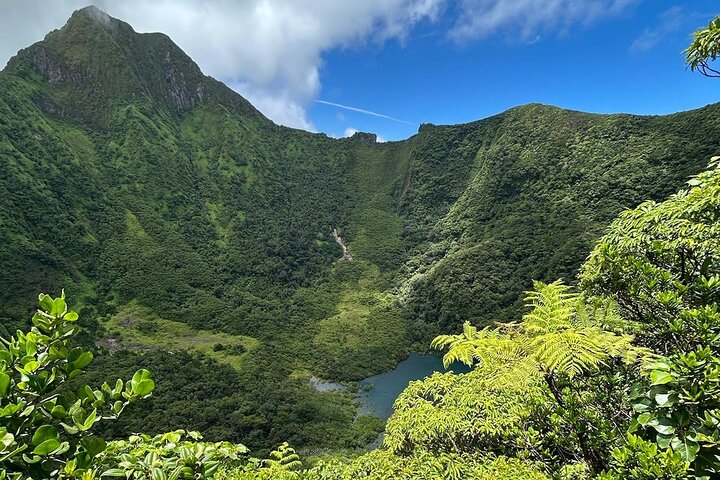
The northern and eastern coasts of St. Kitts face the Atlantic, and the sea there is more energetic than in the south. Dark volcanic rock, grassy headlands and low cliffs frame the beaches, and in places the shape of Mount Liamuiga rises behind. Swimming can be rough, so the main activity is walking, searching and photographing rather than a long swim. Ask your guide where it is safe to enter the water, and take warnings about currents seriously.
What to bring
Closed shoes or water shoes for the rocks, a hat, sun protection, water and a small bag for your finds. Black sand heats up under the sun, so sandals are useful at midday, and a light layer can help on windy days. The beaches are often undeveloped, so bring cash and any snacks you need, and do not expect a bar on every stretch of sand. The tour details tell you which route is used and whether lunch or a drink stop is included.
How it fits a trip
This is a good alternative on a day when the southern beaches are crowded with cruise groups, and it pairs well with a scenic drive along the island road. It suits travelers who like photography, nature and slow exploration. It is less suited to anyone who wants a swim, a beach bar and loungers, in which case Cockleshell Beach or South Friar's Bay is the better choice.
A half-day tour is easy to combine with a late lunch in Basseterre or with a stop at Romney Manor on the way back.
Locals often know the best stretches for sea glass after a storm or a high swell, when fresh pieces can be thrown up the beach, so a guide with local knowledge adds real value. Pieces are scarce, so the goal is the pleasure of searching rather than a bagful of finds, and many visitors end up with just three or four treasures they really cherish.
What to expect
The experience
A guided half-day to the volcanic black-sand beaches of St. Kitts, with time to search for sea glass.
Best time
Morning or late afternoon, when the black sand is cooler and the light is best for photographs.
How long
About half a day including the scenic drive.
Tips
Wear closed or water shoes, bring a hat and water, and treat the Atlantic surf with respect.
Quick picks
- Best for
- Curious travelers, photographers and families who like beachcombing more than loungers.
- Families
- Children enjoy the sea-glass hunt, but keep them away from rough surf and sharp rocks.
- Couples
- A quiet, uncrowded outing away from the busy southern beaches.
- Pair with
- A drive along the island road, Romney Manor or a late lunch in Basseterre.
- Time needed
- Allow a half day.
Good questions
Is black sand safe to walk on?+
Yes, but it heats up in the sun, so wear sandals or water shoes at midday. Rocks near the waterline can be sharp or slippery.
Can I swim at the black-sand beaches?+
Conditions on the Atlantic side can be rough and currents can be strong, so ask your guide where it is safe, and keep swimming for the calmer southern beaches.
Can I take the sea glass home?+
Visitors usually keep a few small pieces as souvenirs. Follow your guide's advice and avoid taking large or unusual items.
Is it good for children?+
Yes, as a beachcombing activity. Watch children near the surf and rocks, and bring water and sun protection.
Is there a beach bar?+
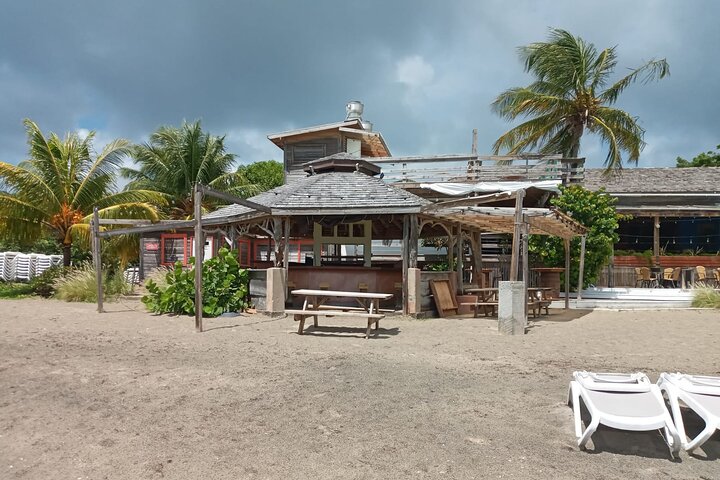
Not usually. These beaches are less developed than Cockleshell Beach, so bring drinks, snacks and cash.