St. Kitts and Nevis has a tropical climate, which means warm temperatures all year and two broad seasons rather than four. The best time to go depends on whether you want the driest weather and the busiest atmosphere, the lowest prices and the quietest beaches, or a balance of the two. This guide explains the seasons, the pros and cons of each and how they affect beaches, hiking, cruise visits and hotels.
The dry season: December to April
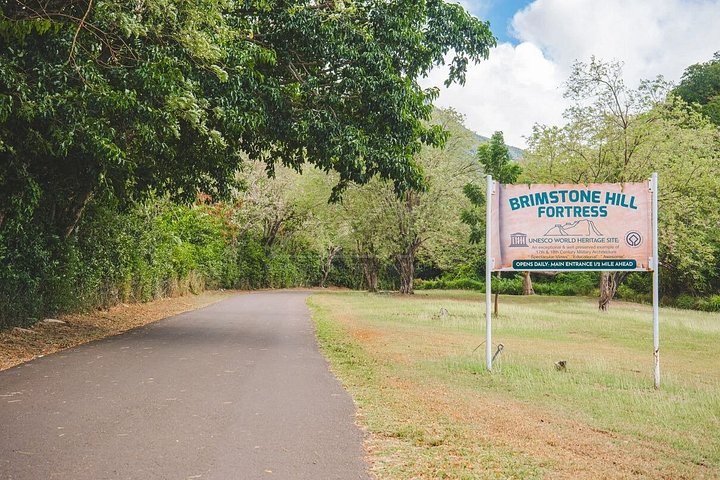
This is the most popular time to visit, with sunny days, lower humidity and steady trade winds that keep the heat comfortable. Rainfall is lowest, the sea is generally calm on the leeward side and the beaches are at their best. Hotel rates and flights are at their highest, particularly around Christmas, New Year and the school holidays, so book early. Cruise ships are frequent in these months, so popular sights such as Brimstone Hill and Cockleshell Beach can be busier on port days. If you want the most predictable weather and do not mind paying for it, this is your season.
The shoulder months: May and November
Late spring and early winter offer a good compromise. The weather is still warm and often sunny, there are fewer crowds, and prices tend to drop compared with peak months. Showers become more common, particularly in the late afternoon, but they are usually short. Travelers who want to snorkel, hike and relax without peak crowds often find these the best months. Note that November can overlap with the end of the Atlantic hurricane season, so keep an eye on forecasts and consider flexible bookings.
The wet season: June to October
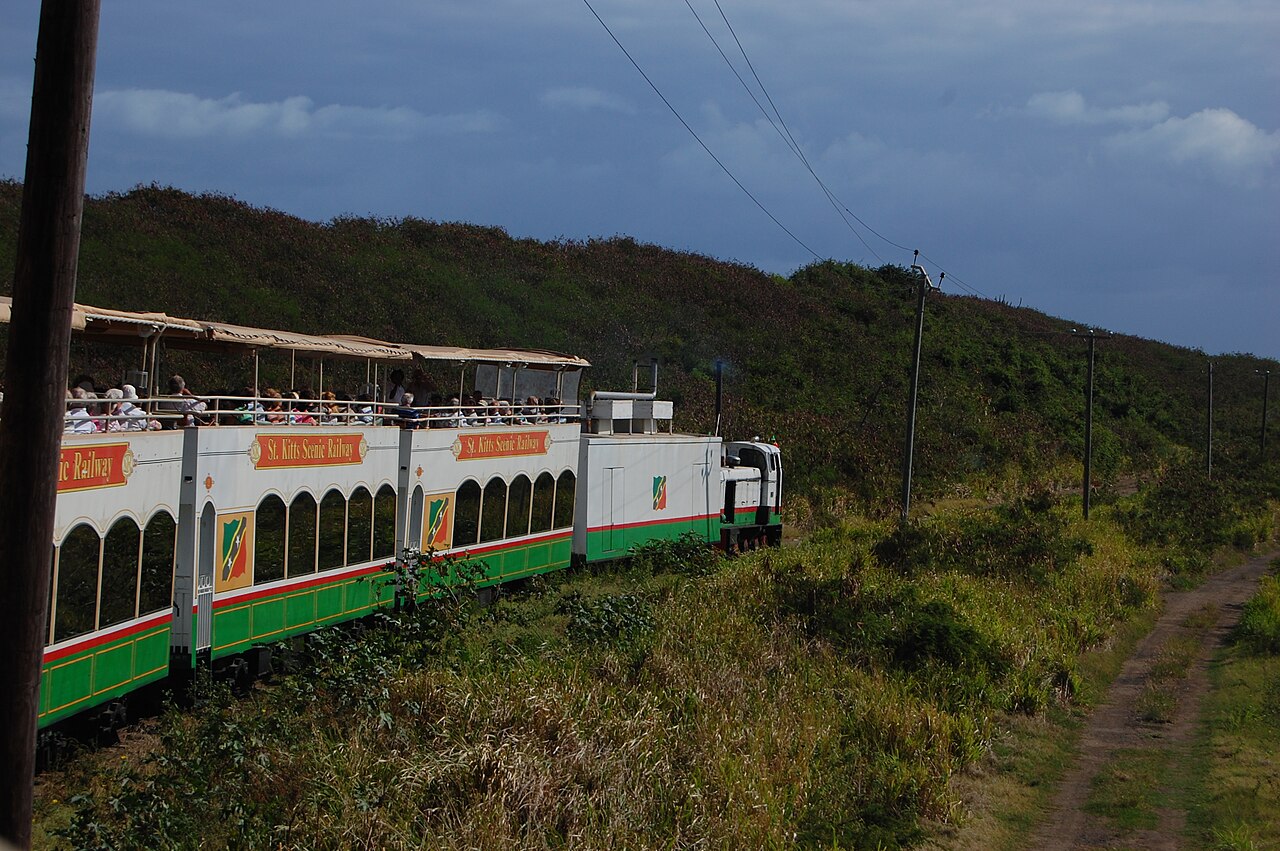
The summer months are hotter, more humid and wetter, with the highest chance of storms. This is also the core of the Atlantic hurricane season, with the greatest risk from roughly August to October. St. Kitts and Nevis is not hit every year, but it is wise to buy travel insurance that covers weather disruption and to book flexible rates. The advantages are real: hotel prices are lowest, beaches are quiet, and many tours are easy to book. If you travel in the wet season, plan indoor or flexible options, such as Brimstone Hill, the Scenic Railway or a rum masterclass, for rainy afternoons.
Temperatures and the sea
The temperature does not change much through the year, with warm days, pleasant evenings and sea temperatures that are comfortable for swimming in every month. The main difference is humidity, which is higher in summer and makes midday feel hotter. Whatever the season, the sun is strong, so bring sun protection and plan outdoor activities for the morning or late afternoon.
Hiking and nature
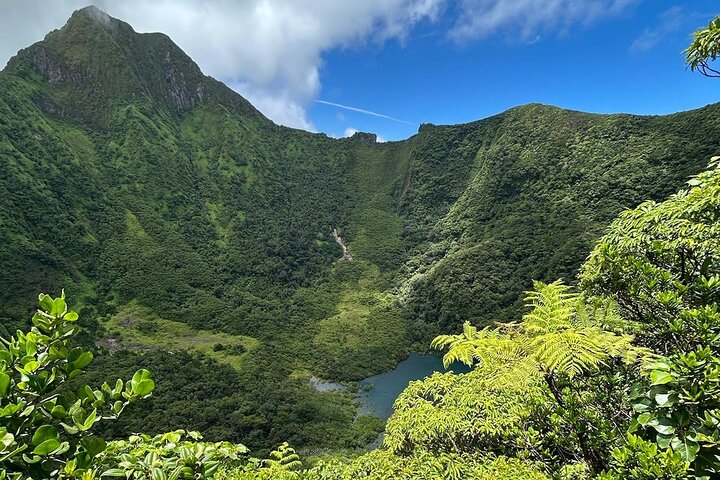
The cooler, drier months are best for the Mount Liamuiga volcano hike and for rainforest walks, since the trails are less muddy and visibility at the crater is better. In the wet season the forest is lush and green, but trails can be slippery and the summit can be in cloud, so go with an experienced guide and be prepared to change plans.
Beaches and water activities
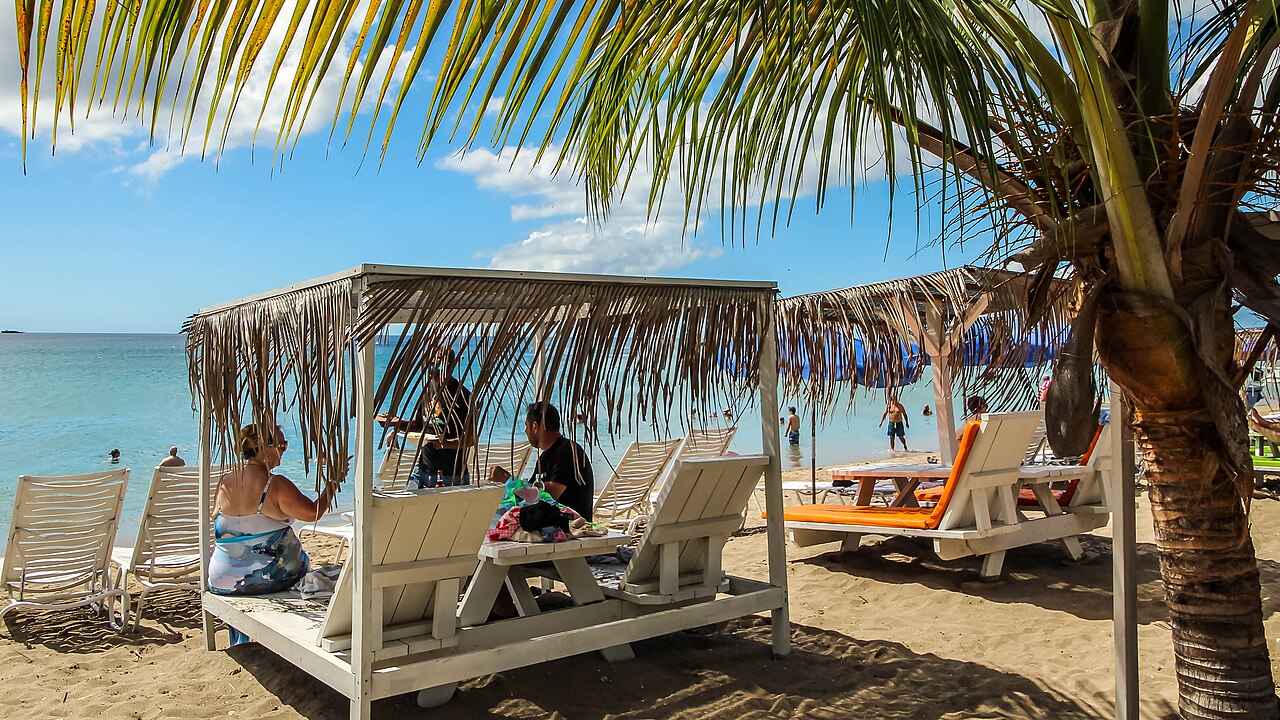
Calm seas make the leeward beaches, such as Cockleshell Beach, South Friar's Bay and Pinney's Beach, pleasant all year. Snorkelling is best on clear, calm days, which are more frequent in the dry season. The Atlantic coast can be rough at any time of year, so treat the black-sand beaches as places to walk rather than swim. Catamaran and sunset sails run year-round, subject to weather.
Festivals and events
The islands host cultural events through the year, with the biggest celebrations in the winter and around the holidays, including carnival-style festivities and music events. Dates change from year to year, so check local calendars when planning, and book accommodation early if you want to take part.
Our suggestion
For most travelers, late January to April offers the best mix of weather and atmosphere, and May and November are the best value for those who can be flexible. If you can only come in the wet season, choose a hotel with a pool and a good restaurant, keep your plans loose and enjoy the empty beaches.
Packing by season
In the dry months, bring light clothes, a sun hat, swimwear and a thin layer for breezy evenings on the water. In the wet months, add a light rain jacket, quick-dry clothes and insect repellent, since mosquitoes are more active after rain. Water shoes are useful at any time of year for rocky entries and rainforest streams. Whatever you pack, leave room for a few souvenirs such as batik, local rum and handmade crafts.