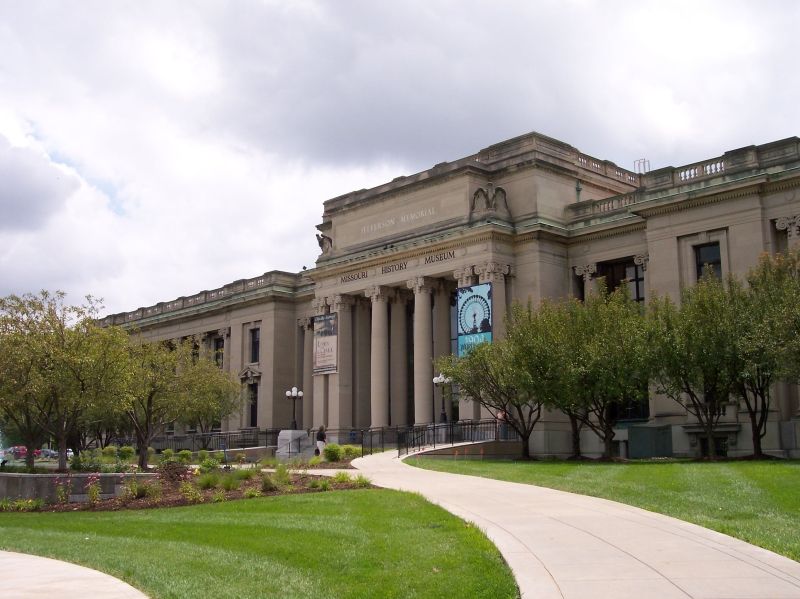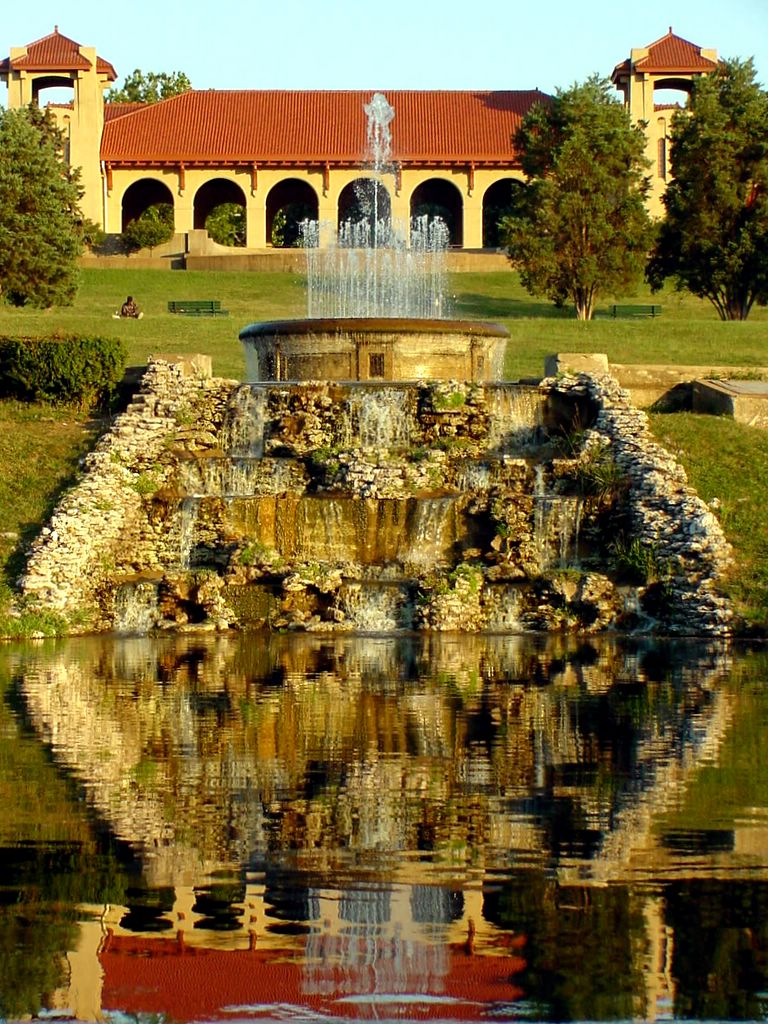
Forest Park is the green heart of St. Louis and the single best place to understand why the city is proud of itself. It covers 1,300 acres on the western edge of the city, it is free to enter at every hour, and it holds five major cultural institutions: the Saint Louis Art Museum, the Saint Louis Science Center, the Missouri History Museum, the Saint Louis Zoo and The Muny, the open-air musical theater. The park was dedicated on 24 June 1876 to coincide with the centenary of the Declaration of Independence, and in 1904 it hosted the World's Fair, which is why so many of its grandest buildings and landscapes look the way they do. Today it is a working park as much as a monument. About 30 miles of paths and trails wind through woodland, prairie plantings and lakeside lawns, there are 3.35 nautical miles of waterway, 172 acres are managed as nature reserve, and the park counts roughly 45,000 trees. It draws millions of visits a year from residents who run, cycle, picnic, skate, row and play here every day. For a visitor, the sensible approach is to treat Forest Park as a setting for a day rather than a single sight: pick one or two museums, add a walk, and let the rest of the park fill the gaps.
How to visit
The park lies about three miles west of downtown and borders the Central West End, so it is an easy drive or rideshare from the Arch, and MetroLink stops near its edges. The Dennis and Judith Jones Visitor and Education Center is the place to pick up a map and ask about current events.
Parking is free on many park roads and in lots, though the zoo and some museum lots charge, so it pays to look at the signs. Entry to the park itself never costs anything, and neither does general admission to the zoo, the art museum or the history museum, which is a remarkable run of free culture in one place.
What to expect
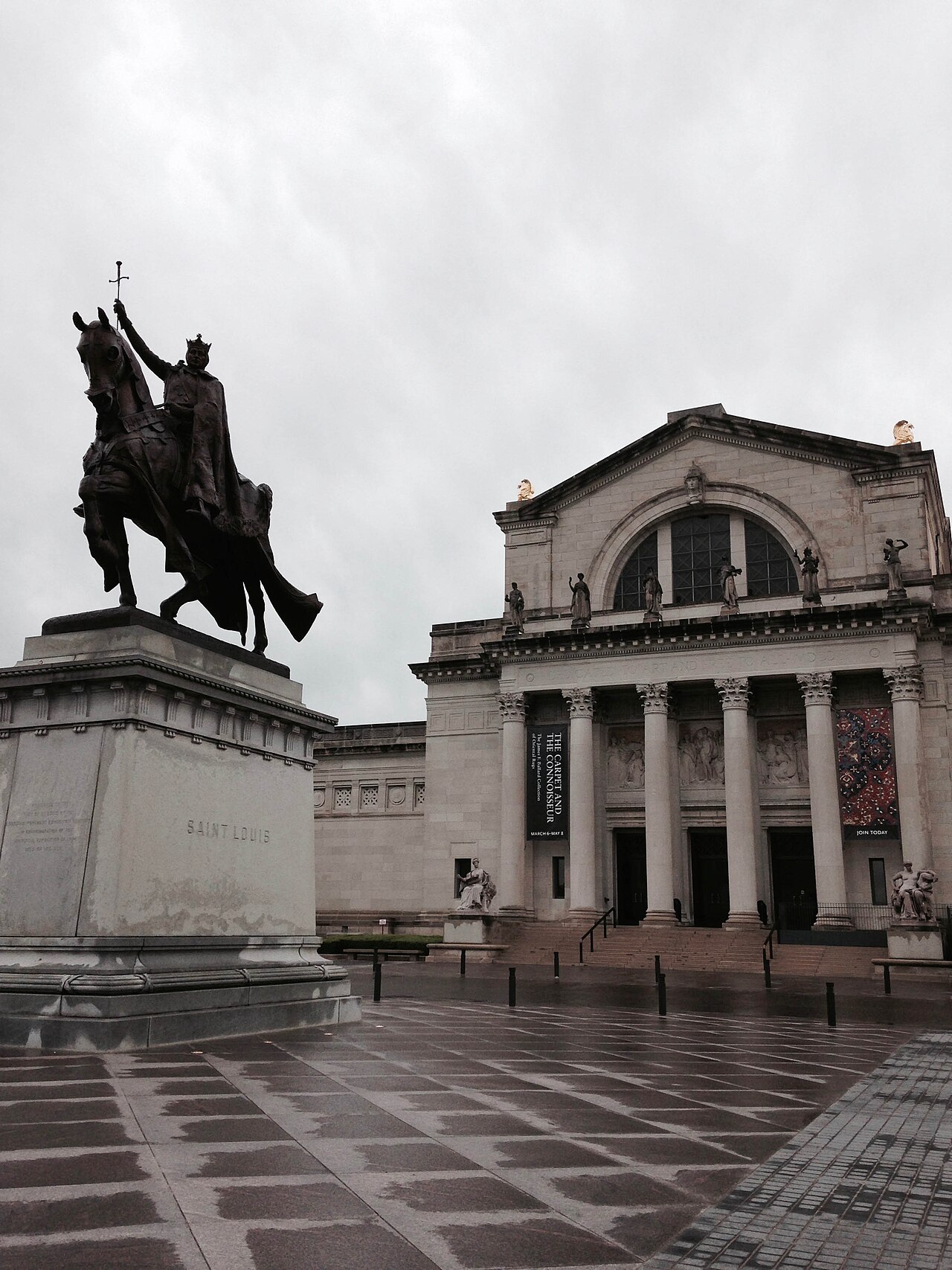
The park is large enough that you need a plan. The Grand Basin below Art Hill, topped by the art museum and its statue of King Louis IX, is the classic view and the best place for a first photograph. The Glade, a 22-acre area in the eastern half, includes Steinberg Rink, which is a skating rink in winter.
Families should know about the 17-acre Nature Playscape, one of three playgrounds in the park. Paths are paved and mostly flat, so walking, cycling and jogging are all easy, and the longest loops reward an hour or two on foot. The park is a public space with the normal rules of one: be aware of traffic where roads cross paths, and check seasonal notices for any construction closures.
Making the most of it
Arrive in the morning, park once and walk between your chosen stops. A good first-visit day is the zoo at opening, a picnic lunch by the water, and the art museum in the afternoon, or swap in the Science Center or History Museum for a rainy day. Spring and autumn give the best light and the most comfortable walking, summer evenings bring outdoor theater at The Muny, and winter can be quiet and beautiful when the ground is frosted.
If you only have time for one thing here, walk up Art Hill at sunset and look back across the Grand Basin toward the park and the skyline beyond.
What to expect
The experience
A free, self-guided city park of 1,300 acres with lakes, woods, playgrounds and five major cultural institutions.
Best time
Spring and autumn mornings, or a summer evening when The Muny is playing.
How long
Two hours for a walk and a view, or a full day with a museum or the zoo.
Tips
Park once and walk between stops, use the Visitor and Education Center for maps and events, and check signs for parking fees at the zoo and museum lots.
Quick picks
- Best for
- Anyone with a free half day, plus families, walkers, cyclists and first-timers.
- Families
- Plenty of room to run, three playgrounds including a 17-acre Nature Playscape, and the zoo and science center inside the park.
- Couples
- Walk the Grand Basin and Art Hill at sunset, then dinner in the nearby Central West End.
- Pair with
- The Saint Louis Zoo, Saint Louis Art Museum, Missouri History Museum or Saint Louis Science Center, all inside the park.
- Time needed
- Two hours to a full day.
Good questions
Is Forest Park free?+
Yes. The park is free to enter. General admission to the Saint Louis Zoo, the Saint Louis Art Museum and the Missouri History Museum is also free, though some special exhibitions and zoo extras carry a charge.
How big is Forest Park?+
It covers 1,300 acres, which is larger than New York's Central Park. It has about 30 miles of paths and trails, 3.35 nautical miles of waterway and 172 acres of nature reserve.
What is there to do in Forest Park?+
You can visit the art museum, zoo, science center and history museum, walk or cycle the paths, picnic by the lakes, skate at Steinberg Rink in winter and see outdoor theater at The Muny in summer.
Why does Forest Park matter to St. Louis history?+
It was dedicated in 1876 and hosted the 1904 World's Fair, which left the city several of its best-known buildings and landscapes.
How do I get to Forest Park from downtown?+
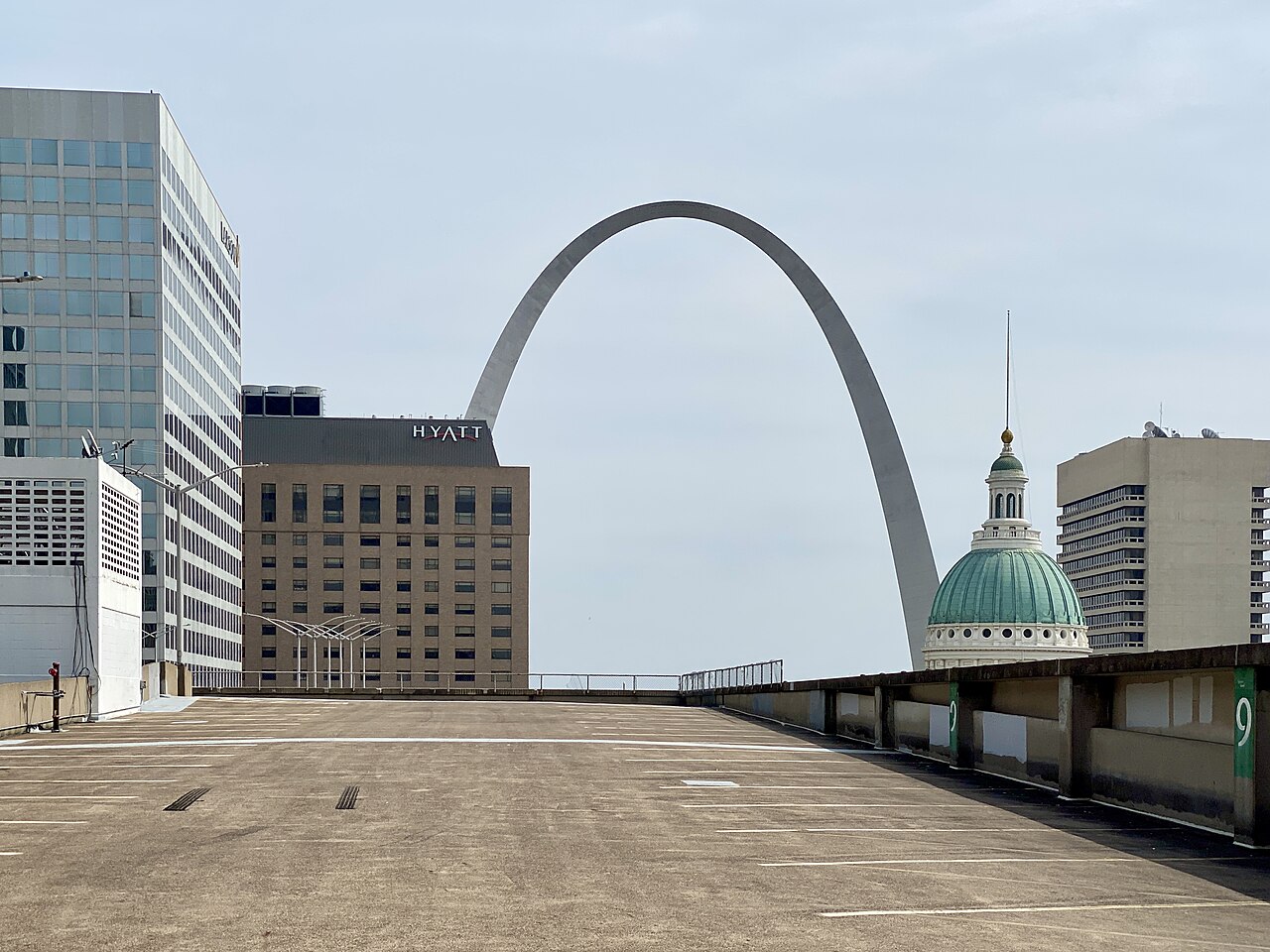
It is about three miles west of the Arch by car or rideshare, and MetroLink stops near its edges. The Central West End is the neighboring district.