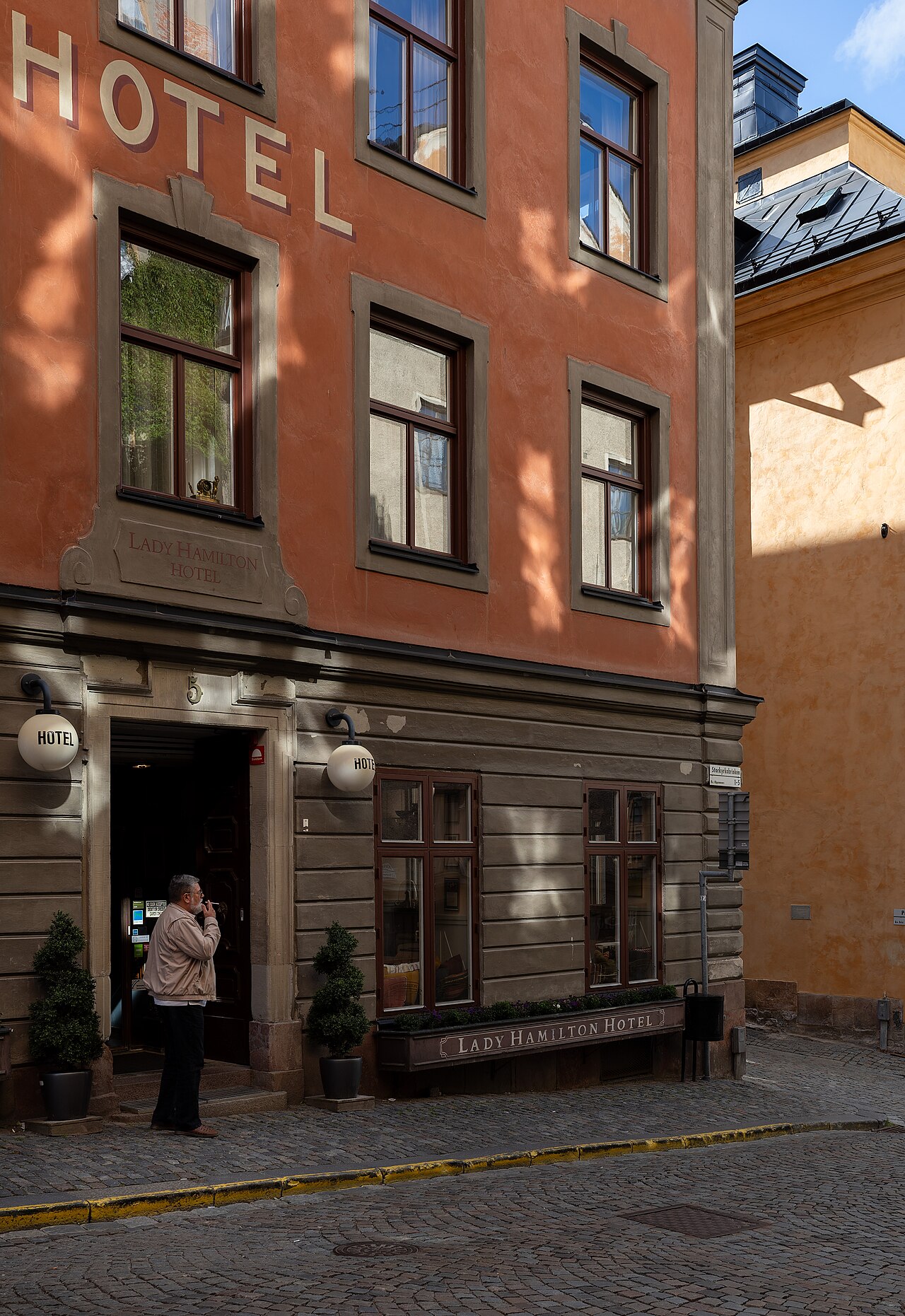
Gamla Stan is beautiful by day, but after dark, when the crowds thin and the lanterns come on, its narrow alleys take on a different character. A ghost and folklore walk uses that atmosphere to tell the other side of Stockholm's history: the plague years, the executions and the superstitions that shaped how people in the Middle Ages and the centuries after understood the world around them. Led by a storytelling guide, the walk moves through the medieval core of the city, stopping in lanes, courtyards and squares where the tales are set. The tour covers folk beliefs as well as ghost stories, and that is what separates it from a simple spooky walk. You hear about the creatures of Swedish folklore, the rituals people used to ward off harm, and the dark events attached to specific places, including the infamous bloodbath that took place on Stortorget in 1520, an event that shaped the course of Swedish history. Guides tend to mix the factual with the legendary and be clear about which is which, so the tour works as a history lesson as much as a night out. The pace is gentle, stops are short, and the whole thing is well suited to people who want atmosphere and a good story rather than jump scares.
Making the most of it
Wear sturdy shoes, since the old town is paved with cobbles and the lanes can be uneven, and bring a warm layer, because evenings are cool even in summer and the stone alleys hold the chill. A small torch is not necessary, as the streets are lit, but you will be on your feet for the whole walk. Photographs are best taken at the squares and corners where the guide pauses.
Who it suits
History lovers, couples, friends and anyone who enjoys a good story told well. Teenagers who like horror will usually enjoy it, while younger children may find some of the tales frightening, so check the operator's age guidance. It is a good choice for a first evening, when you want something to do after dinner, and in the darker months, when the long evenings add to the atmosphere. Because the content is spoken, check that the tour is in English when you book.
Planning
The walk starts in or near the old town and ends there, so you can follow it with a drink or a late dinner in one of Gamla Stan's historic cellars. If you want to learn the daylight history first, a visit to the Nobel Prize Museum on Stortorget or a stroll through the old town earlier in the day gives context for the stories you hear at night.
Pair it with the Swedish food walk for a full day of eating and storytelling, and remember that, unlike a museum, a walking tour runs in nearly all weather, so bring a waterproof if it looks like rain. The route is on foot and cobbled, so it may not suit visitors with limited mobility.
One more tip
Take your time in the lanes afterwards, since the same corners look very different once you know their stories, and the quieter alleys off the main street are especially atmospheric when the day-trippers have gone.
What to expect
The experience
A guided evening walking tour of Gamla Stan with ghost stories, medieval history and Swedish folklore told by a storytelling guide.
Best time
After dark, when the lanes are quiet and lit.
How long
About two hours of gentle walking with short stops.
Tips
Wear sturdy shoes for cobbles, bring a warm layer and check the age guidance for children.
Quick picks
- Best for
- History lovers and fans of atmospheric storytelling on a first or second evening.
- Families
- Better for teenagers; some stories may be too dark for younger children.
- Couples
- A distinctive evening activity before or after dinner in the old town.
- Pair with
- A late dinner in a Gamla Stan cellar, or the Nobel Prize Museum by day.
- Time needed
- About two hours.
Good questions
Is the tour scary?+
It is atmospheric rather than frightening, with a mix of history, folklore and ghost stories.
Is it suitable for children?+
Teenagers often enjoy it; check the operator's age guidance for younger children.
Where does it go?+
The route stays within the medieval lanes and squares of Gamla Stan.
Is it in English?+
Check the language when you book; English departures are common.
Does it run in the rain?+
Walking tours normally run in most weather, so bring a waterproof if needed.