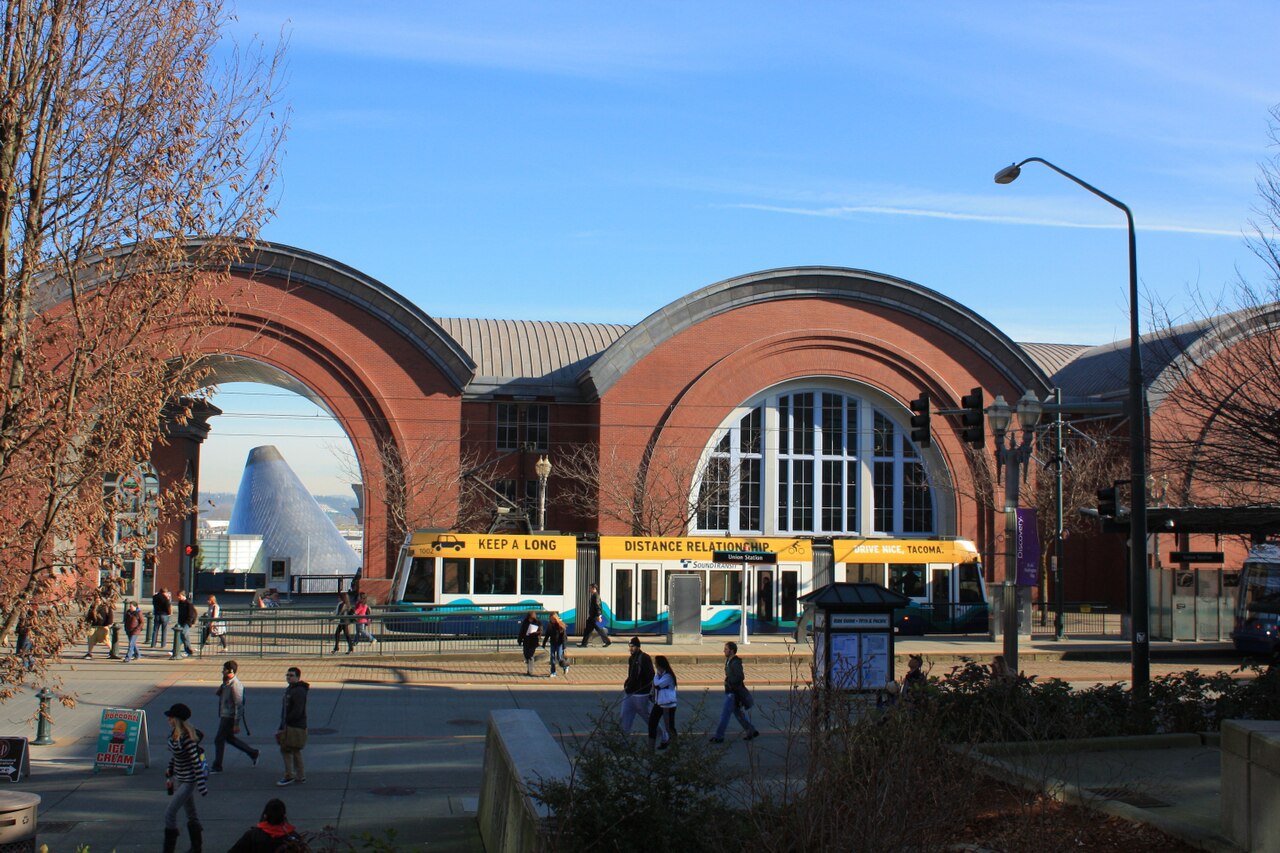
The Washington State History Museum sits on the hillside above the Thea Foss Waterway, next to Union Station and at the head of the Bridge of Glass. It opened in the 1990s as the state's main history museum and has become the best single place to understand how a rainy, mountainous corner of the continent became the home of salmon, timber, aircraft, coffee and software. The building's arched brick-and-stone front echoes the railway architecture of the neighbouring station. Permanent galleries trace the arc of regional history in chronological and thematic displays. You begin with Native peoples and trade networks, move through exploration, the fur trade and the arrival of settlers, then follow the railroads, logging camps, farms and cities that grew from them. Later sections cover the shipyards and aircraft factories of the twentieth century, the effects of war and migration, and the technology industries that remake the state today. Dioramas, artefacts and archival photographs keep the narrative concrete. Hands-on touches make it lively for families. Children can try a pioneer-era activity, explore a replica of a historic setting or follow interactive screens that mix video with objects. The museum also hosts rotating exhibitions, often on subjects like Washington's music, innovation, immigration or a particular community. These shows can be highly visual and sometimes draw on loans from other museums, giving repeat visitors a reason to return.
Plan on two hours for the main galleries and more if you want to read closely or see a special exhibition. Weekday mornings are calm, and school groups can fill the galleries during term time, so check the day before you go. The museum is fully accessible, with elevators and clear paths, and a gift shop stocks books on Northwest history, Native art and regional foods.
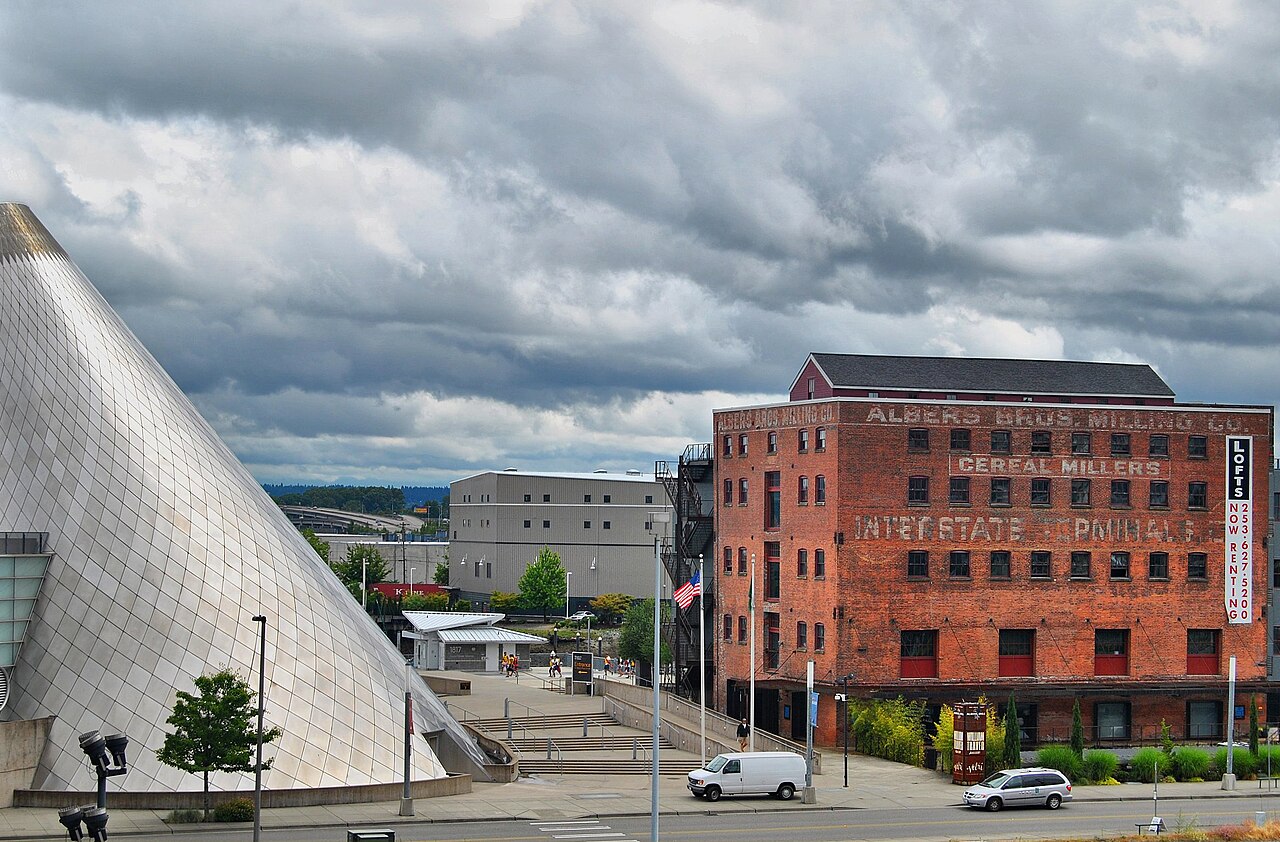
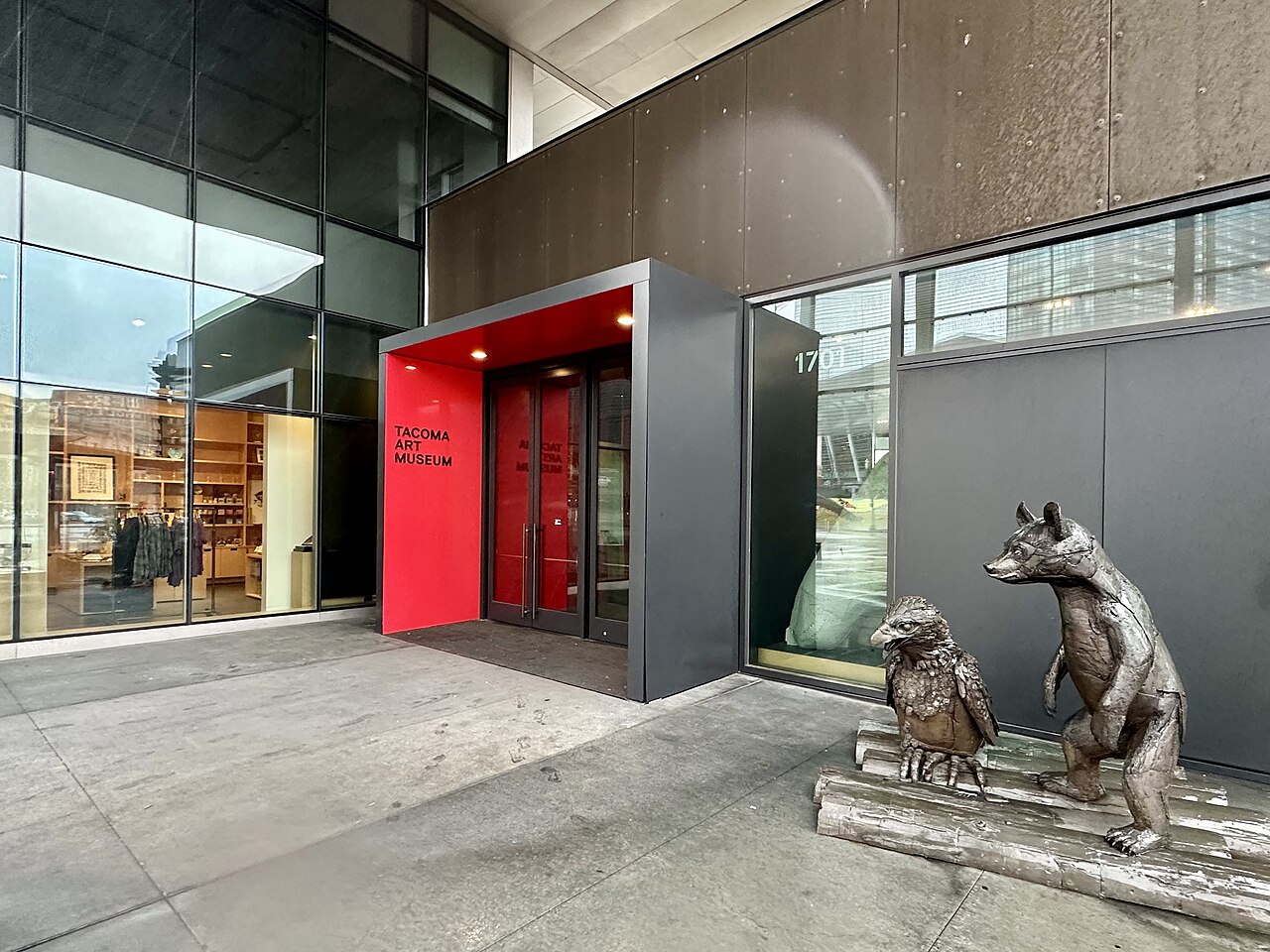
The location is ideal for a downtown walking day. From the entrance you can cross the Bridge of Glass to the Museum of Glass, stroll to the Tacoma Art Museum along Pacific Avenue, or ride the Tacoma Link light rail one or two stops. Some visitors choose a combined itinerary that begins here, because the museum gives context for everything else in the city, from the harbor to the railroads that shaped Tacoma's early growth.
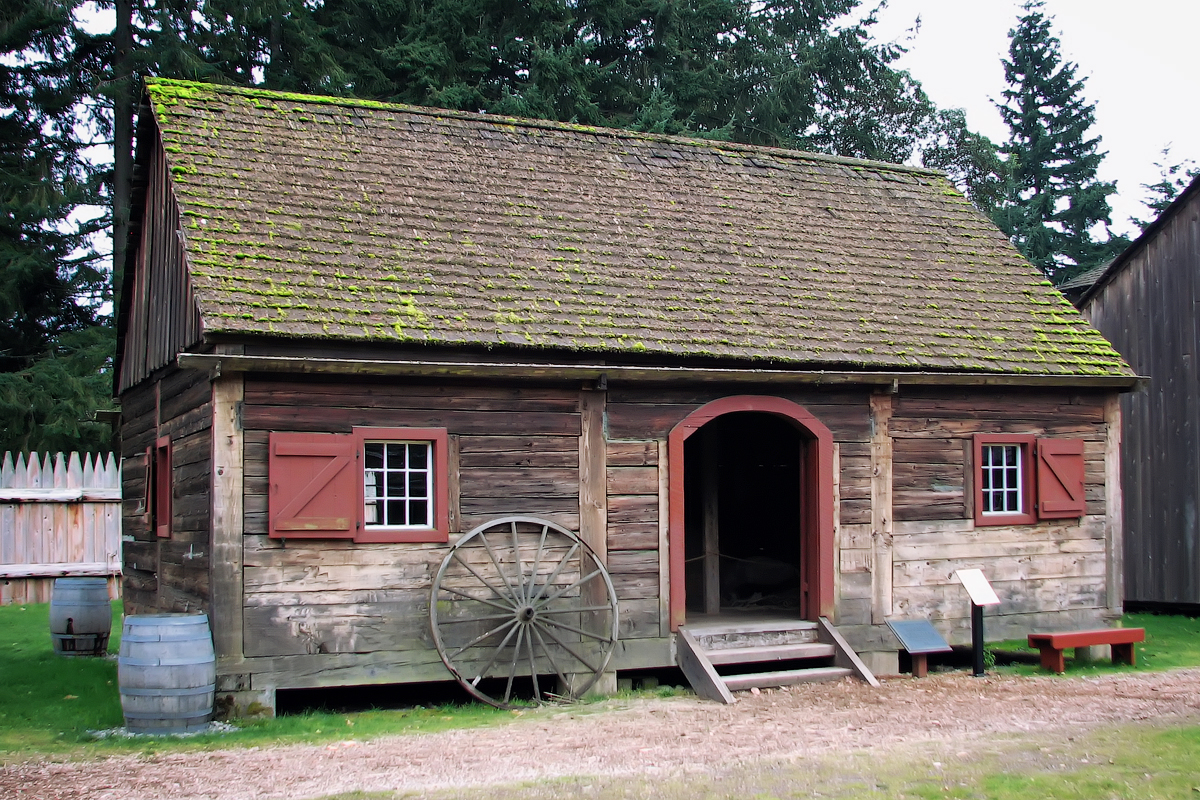
A useful tip is to start with the Native cultures gallery rather than rushing to the later periods. It sets up themes of land, trade and treaty that return throughout the museum, and it helps explain why places such as Fort Nisqually and Medicine Creek are significant. Consider returning to the Great Hall at the end of your visit, where the sense of scale and the sweep of the exhibits can be appreciated in one view before you step back outside.
Rotating exhibitions are worth checking before you plan the day. They often cover subjects with strong local roots, such as innovation, music, food or the stories of particular communities, and they are usually designed to be visually engaging as well as informative. A special exhibition may add to the ticket or be included, depending on the show, and some run for several months.
If your trip is short, look at the museum's calendar first and decide whether the featured exhibition suits your interests, because it can reshape how much time you want to spend in the building.
What to expect
The experience
A self-guided tour of permanent history galleries and rotating exhibitions, with hands-on stations for children.
Best time
Weekday mornings are quietest; school groups visit in term time.
How long
Two to three hours.
Tips
Check opening days, start with the Native cultures gallery, and combine with the Bridge of Glass and Museum of Glass.
Quick picks
- Best for
- History fans and curious first-timers who want context for the state.
- Families
- Interactive displays and costumed or craft activities keep children engaged.
- Couples
- A quiet, thoughtful indoor outing on a wet day.
- Pair with
- The Bridge of Glass, Union Station, Museum of Glass and Tacoma Art Museum.
- Time needed
- Half a day with neighbouring sights.
Good questions
What does the museum cover?+
The history of Washington from Native cultures and early trade to the industries and technologies of today.
Is it near Union Station?+
Yes. It sits right beside Union Station and the head of the Bridge of Glass.
Is it good for children?+
Yes. Many exhibits are interactive and the museum has activities for families.
How long should I allow?+
Two to three hours is typical.
Is it accessible?+
Yes, with elevators and level galleries.