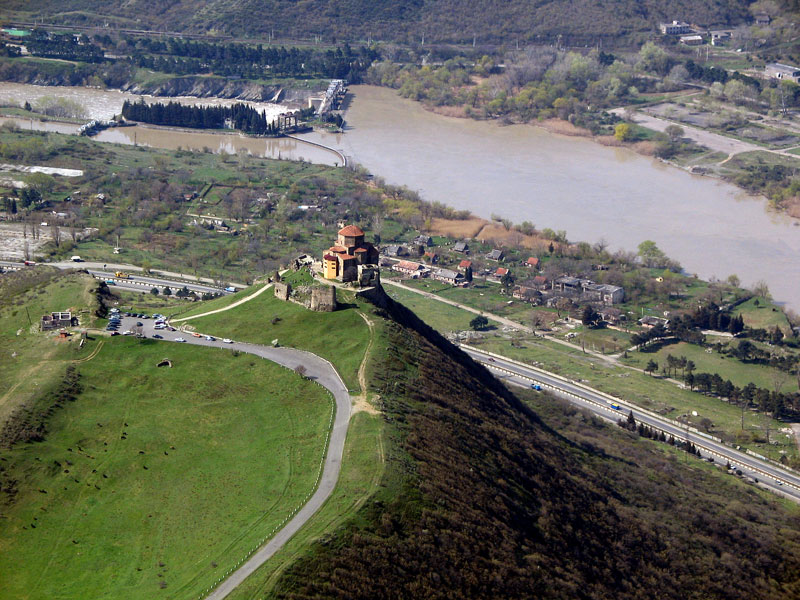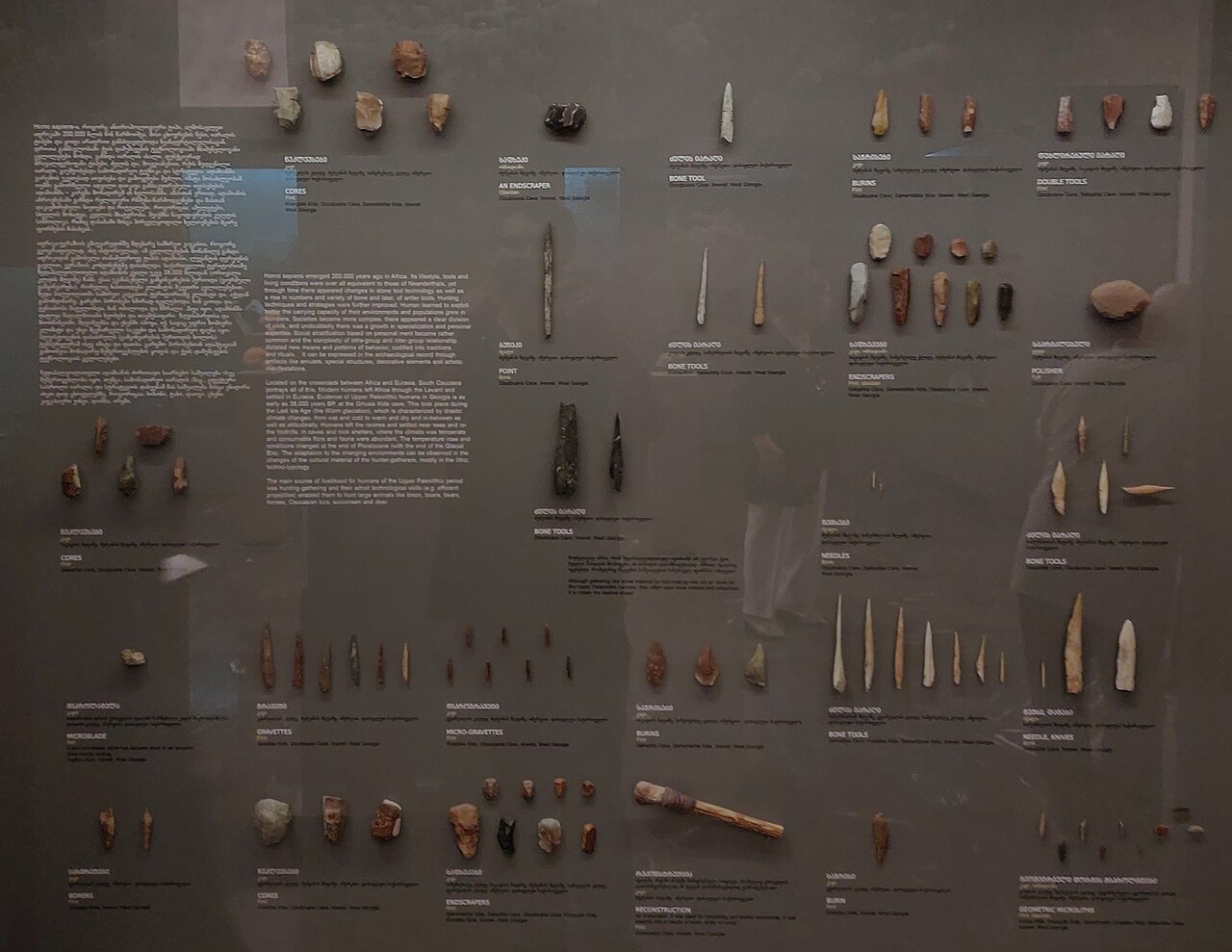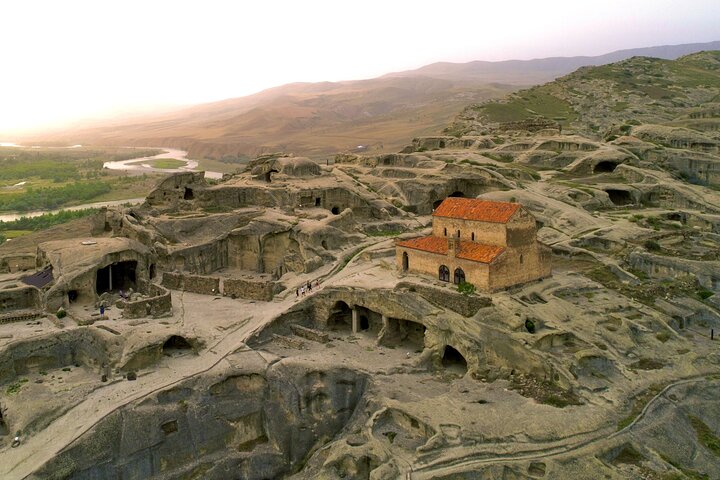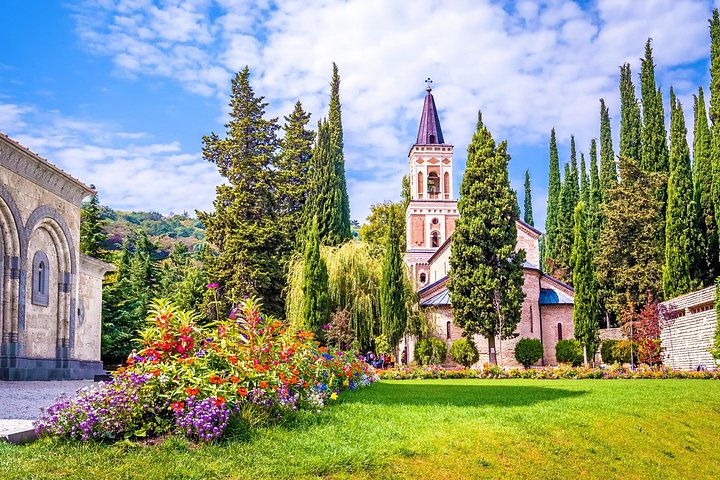
Dmanisi is one of the most important archaeological sites in the world, and it lies less than two hours from Tbilisi. In the 1990s and after, excavations here revealed the remains of early humans around 1.8 million years old, among the oldest found outside Africa, which changed the way scientists think about how our ancestors spread across the world. A visit includes the museum, which explains the discoveries and displays replicas, and a walk through the excavation area and the medieval fortress town on the ridge above the river. The day also takes in Bolnisi, a town with a remarkable church, Bolnisi Sioni, a fifth-century basilica that is often described as the oldest surviving church in Georgia, with inscriptions in an early form of the Georgian script. Nearby are houses built by German settlers in the nineteenth century, a lesser-known chapter of the region’s history.
How to visit
The full-day tour leaves Tbilisi in the morning and returns in the evening, with time for a lunch stop. Check when you book whether the trip is private or group, what entry fees are included and which museums are part of the plan. Wear comfortable walking shoes, carry a hat in summer and a jacket in winter, since the site is exposed. A guide is essential for making sense of the finds.
What to expect
At Dmanisi the museum helps you picture the world of the early humans, who lived alongside large predators and used simple stone tools. The excavation area is a quiet place with a sense of deep time, and the medieval town above it, with a fortress, a church and a ruined caravanserai, adds layers of later history.
At Bolnisi the church is plain and powerful, and the guide will point out the inscriptions, the architecture and the connection with early Christianity. In the German quarter of the town, the houses with their steep roofs and tidy gardens recall the colony founded in the early nineteenth century by settlers from southern Germany.
Context
Georgia’s position at a crossroads between Europe and Asia has made it a meeting place for peoples for thousands of years, and this trip brings that point home. It pairs well with a visit to the National Museum in Tbilisi, where the finds from Dmanisi are on display, so you can see the originals before or after the field trip. It is also a good choice for travellers who have already seen Mtskheta and want a day that is more archaeological than monastic.
Making the most of it
Go with questions, because guides usually welcome them, and take time to read the museum displays. Spring and autumn are the best seasons, when the hills are green and the light is soft. The trip is mostly on paved roads, though the final approach to the site may be bumpy. Bring water and a snack, as facilities are limited. It suits history lovers, families with curious children and anyone interested in human origins.
Good to know
The museum displays are in English as well as Georgian, and guides usually bring along printed illustrations that help children picture the early humans and their world. The medieval town above the excavation has paths with uneven stone, so wear shoes with a good grip, and take a hat in summer since shade is limited on the ridge.
What to expect
The experience
A guided full-day trip to the Dmanisi early human site and museum and the ancient church and German houses of Bolnisi, with lunch.
Best time
Spring and autumn.
How long
About nine hours including driving.
Tips
Wear comfortable shoes, bring a hat or jacket, and check what is included when you book.
Quick picks
- Best for
- History and archaeology lovers.
- Families
- Curious children often enjoy the early-human story.
- Couples
- A quiet, thoughtful day out of the city.
- Pair with
- The National Museum, which displays the Dmanisi finds.
- Time needed
- A full day.
Good questions
What was found at Dmanisi?+
Remains of early humans around 1.8 million years old, among the oldest found outside Africa.
What is Bolnisi Sioni?+
A fifth-century church in Bolnisi, often described as the oldest surviving church in Georgia, with early inscriptions.
How far is Dmanisi from Tbilisi?+
Under two hours by road, depending on traffic.
Is lunch included?+
The tour title includes lunch, but check the details when you book.
Is it suitable for children?+
Yes for children who like history; there is walking on uneven ground.