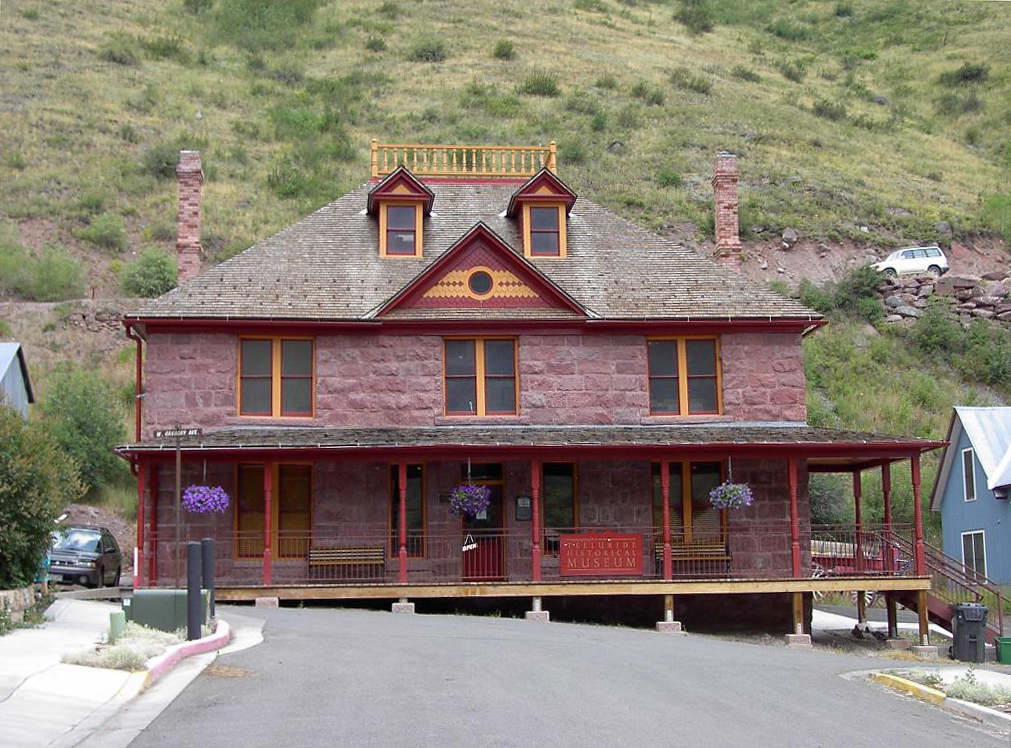
The Telluride Historical Museum occupies a building from the 1890s that served as the town's hospital, and it is the best place to understand how Telluride grew from a wild mining camp into a ski and festival destination. Exhibits cover geology, mining technology, immigrant communities, labor struggles, the boom and bust cycles of the twentieth century, and the rebirth of the town as a resort. Photographs, tools, household objects and documents make the story tangible, and the staff are generally happy to share local knowledge. For a town this small, the museum is surprisingly rich. It is a good rainy-day stop, a thoughtful complement to a walk on Colorado Avenue and a chance to connect the buildings you see outside with the people who built them. Kids often enjoy the hands-on elements, and history fans can spend an hour or more in the galleries.
The building itself is part of the exhibit. As the old hospital, it reflects the dangers of mining, with injuries and illness a constant presence in the story, and visitors can imagine what medical care looked like at the time. Rooms are arranged by theme, and a walk through gives you a sense of how people lived, worked and organized themselves in a remote mountain town. The museum often highlights lesser-known stories, such as those of women, miners from many countries and families who stayed through the lean years.
Opening hours vary by season, and the museum may close on certain days or for extended periods outside peak months, so check before you visit. Admission is modest, and discounts may be offered for children and locals. Allow about an hour for a full visit, more if you like to read every label. The museum sits a short walk from the center of town, and the route passes some of the prettiest residential blocks.
Pair the visit with a stroll through the historic district, using the museum as your briefing and the streets as your field trip. The combination helps you notice details: why a building has a particular cornice, where the mines once stood and how the railroad shaped the layout of the town. If you have time, ask about walking tours and special programs, which sometimes cover topics like the bank robbery, ghost stories or Victorian architecture. For anyone who likes context with their scenery, this is a worthwhile and relaxed stop.
Accessibility is worth confirming if you use a wheelchair or have difficulty with stairs, as older buildings can pose challenges. The museum shop sells books, postcards and gifts that make good souvenirs, and proceeds help support the collection and educational programs. A quiet hour here can deepen your appreciation of the town you have come to enjoy.
Look for the quiet details
Handwritten ledgers from the mines, photographs of crowded Main Street scenes, and objects from daily life that bring the people to life. Ask the staff about the personalities behind the names on the buildings, since they often have stories not found on the labels. If you have school-age children, a short game of finding five objects that interest each person keeps them engaged. Leaving with a better sense of how the town survived its harder decades makes the sunny streets outside feel even richer.
What to expect
The experience
A small museum in a former hospital with exhibits on Telluride's mining, labor, ski and community history.
Best time
Any day, especially rainy afternoons.
How long
About an hour.
Tips
Check seasonal hours, allow time to read the exhibits and combine with a walk through the historic district.
Quick picks
- Best for
- History fans and curious first-time visitors.
- Families
- Hands-on elements and short length suit children.
- Couples
- A quiet, thoughtful stop.
- Pair with
- Colorado Avenue and the scavenger hunt.
- Time needed
- One hour.
Good questions
Where is the museum?+
In a former hospital building a short walk from Telluride's main street.
How long does a visit take?+
About an hour.
Is it open year-round?+
Hours vary by season, so check before you visit.
Is it good for children?+
Yes, for school-age children interested in history.
Are there walking tours?+
Sometimes; ask about programs.