The clear, warm Atlantic around Tenerife is one of the easiest places in Europe to take your first breaths underwater. A discover scuba session is designed for people who have never dived before: you meet an instructor, learn the basic skills in shallow water, then descend in a small group to explore a sheltered bay with the instructor at your side. The tour we link to takes place in an area known for green turtles, which feed on the seagrass and often swim close to divers, along with schools of fish, rays and other marine life that live around the volcanic rocks. No certification is required, equipment is provided and the dive is shallow, so it is a good introduction for adventurous adults and older children who are comfortable in water. Sightings cannot be promised, because wild animals come and go, but the area is well chosen, and even on days when the turtles are shy, the underwater landscape of lava, sand and fish is worth the trip. For people who catch the bug, the same operators often offer further dives and certification courses.
How it works
You arrive at the dive centre, fill out a short medical questionnaire, meet your instructor and are fitted with a wetsuit, mask, fins, tank and regulator. A briefing on land covers the signals and safety rules, followed by practice in shallow water to learn to breathe, clear your mask and control your buoyancy. Once you feel comfortable, the group moves out to the dive area, either on foot from the shore or by boat, depending on the product. The instructor stays close to you, and groups are kept small.
What to expect
The first minutes underwater feel strange, because breathing through a regulator is unnatural, but most people settle quickly. The dive itself lasts for a modest time at shallow depth, with unhurried movement along the seabed and a chance to see marine life. Visibility is usually good, and the water in the south is mild for most of the year, though a wetsuit is essential.
Participants must answer health questions honestly, and conditions such as asthma, heart problems, pregnancy or recent ear trouble can rule out diving. You should not fly for a period after diving, so plan the activity well before your departure date.
Making the most of it
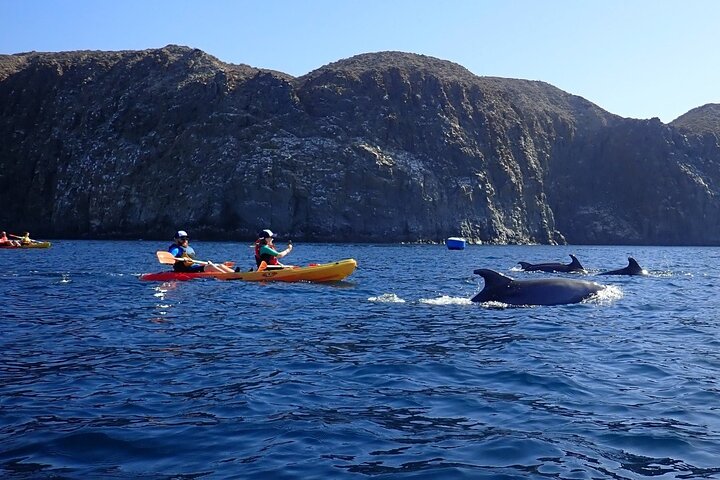
Book early in your holiday, so that you have time to reschedule if the sea is rough, avoid heavy meals and alcohol beforehand and tell the instructor if you feel any discomfort in your ears. Bring a swimsuit, a towel and sunscreen. Non-divers in your party can snorkel, take a kayak trip or enjoy a catamaran cruise while you dive, and for those wanting to see marine life without getting wet, a submarine excursion is another option.
Good to know
Equalising the pressure in your ears is the most important skill on any dive, and your instructor will teach you the technique in the shallows, so do not be shy about asking for another demonstration. Contact lens wearers can usually dive without issue, and prescription masks may be available. Wildlife must never be touched or chased, since turtles in particular are protected and easily disturbed. Respecting the animals is part of the training, and it is also the surest way to see them behave naturally.
What to expect
The experience
An instructor-led introductory scuba dive with a land briefing, shallow-water practice and a guided dive in a sheltered bay.
Best time
A calm morning, when the sea is clear and winds are lower.
How long
Allow three to four hours including briefing, practice and the dive.
Tips
Complete the medical questionnaire honestly, avoid alcohol beforehand and do not fly soon after diving.
Quick picks
- Best for
- Adventurous beginners who want to try diving with an instructor at their side.
- Families
- Suitable for older children who meet the minimum age and are comfortable in water.
- Couples
- A memorable shared first, followed by a seafood lunch.
- Pair with
- A kayak and snorkel trip, a catamaran cruise or a submarine excursion.
- Time needed
- Half a day.
Good questions
Do I need to be certified?+
No. A discover dive is made for beginners and is led by an instructor, with all equipment provided.
Will I see turtles?+
The area is known for green turtles, but wildlife sightings cannot be guaranteed.
How deep is the dive?+
Introductory dives are shallow, and the instructor stays with you throughout.
Who cannot dive?+
Health conditions such as asthma, heart problems or pregnancy can rule out diving, and a medical questionnaire is required.
When can I fly after diving?+
Divers should avoid flying for a period after a dive, so plan the activity well before your departure.