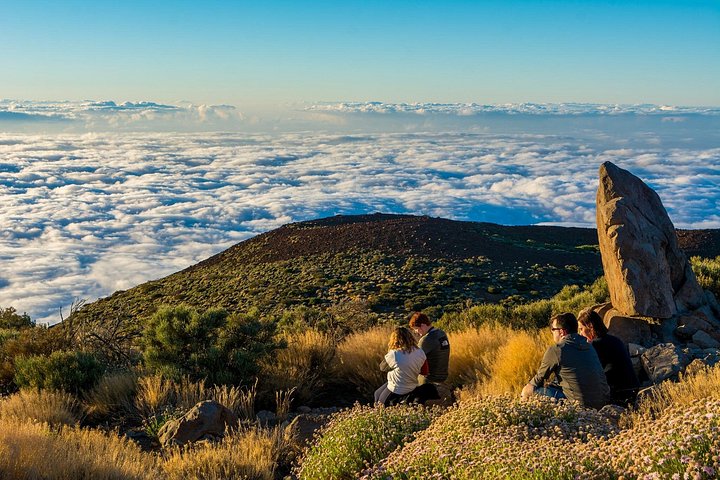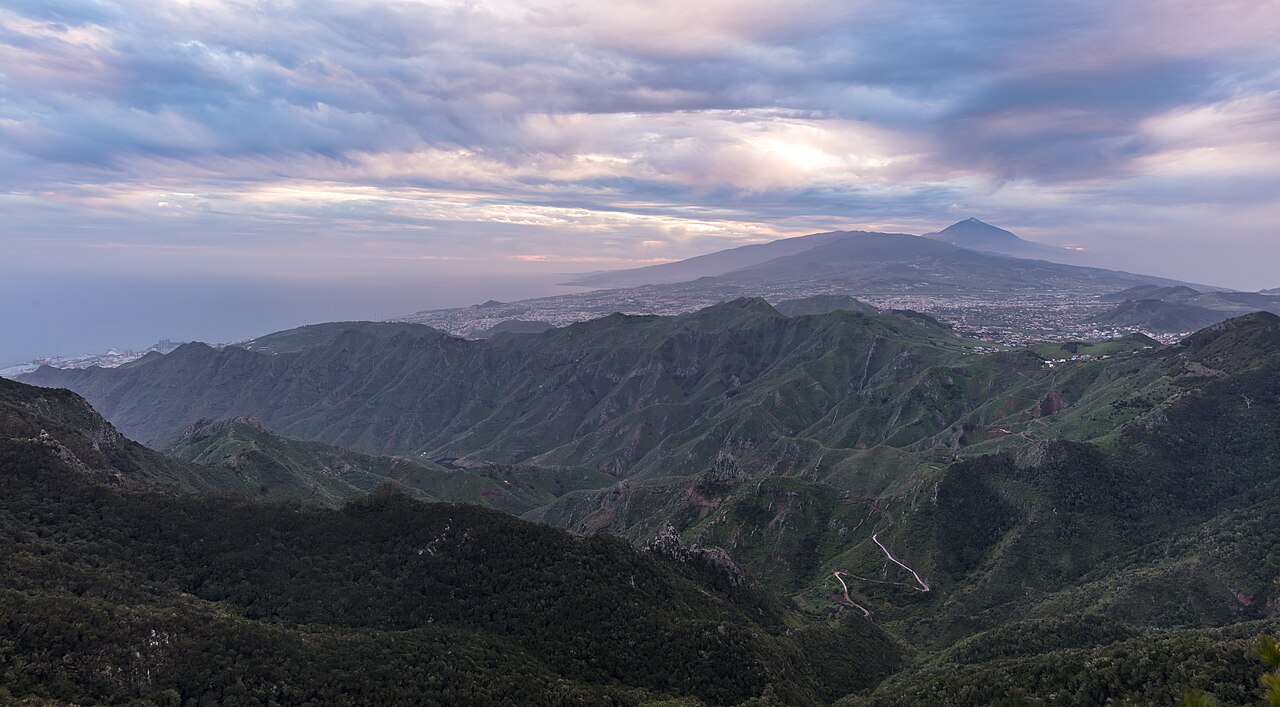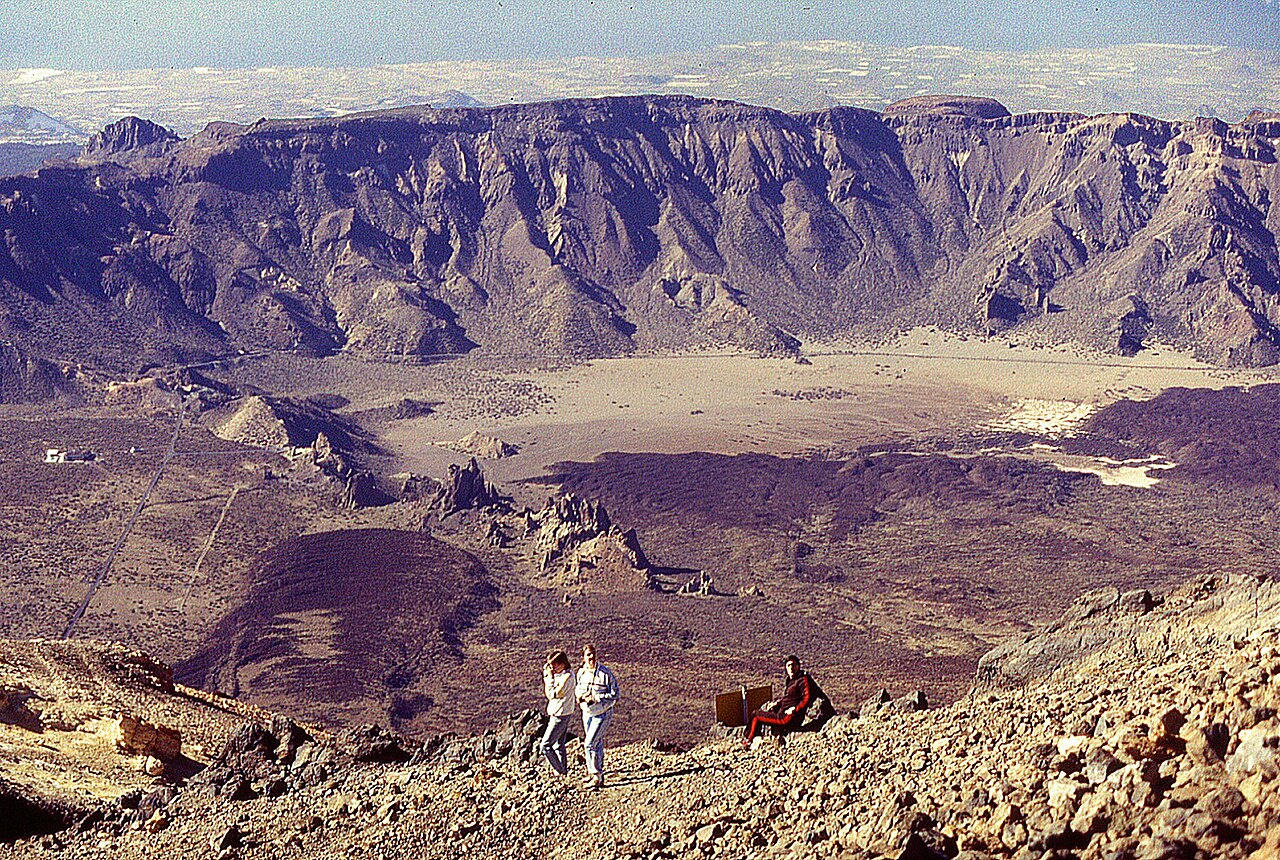
Most visitors see Mount Teide from the cable car, but a guided ascent on foot is a very different experience. Teide rises to 3,715 metres, and climbing it means a long day of steady uphill walking on volcanic ground, through pumice slopes and lava fields to the high cone, where the air thins and the views widen across the national park and out over the clouds to the other islands. A mountain guide leads the group, sets a sensible pace, explains the geology and manages the altitude, which affects almost everyone to some extent. The route finishes in the summit zone, where sulphurous steam still rises from vents in the rock, a reminder that the volcano is dormant and not extinct. This tour is aimed at walkers who are reasonably fit and happy to spend most of a day on a mountain, and it is not recommended for beginners or for those with heart or breathing conditions. The summit area is protected, and access to the very top requires a permit from the national park, so read the product page carefully to understand what the tour arranges and what you need to organise yourself.
How it works
You meet your guide early in the morning at a meeting point or in the national park, check your gear and begin the ascent on foot. The guide keeps the group together and adjusts the pace to the slowest member, with regular stops to drink and eat.
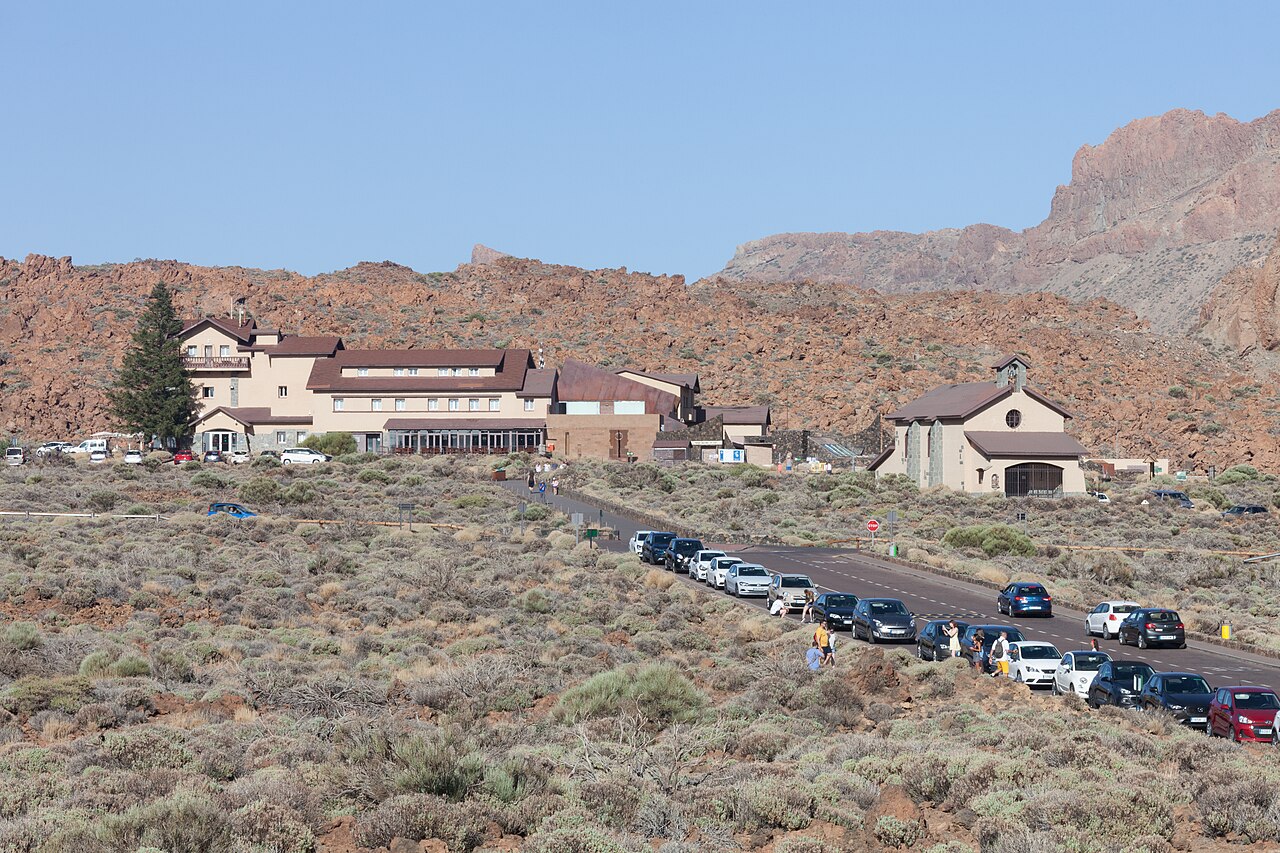
Depending on the route and the season, the day can include a night in a mountain refuge or an early start from the lower slopes. The product page explains the starting point and the arrangement for the summit, including the permit, so check it before booking.
What to expect
This is a serious mountain day. The altitude is the biggest challenge, because even fit walkers can feel headaches, breathlessness or nausea above 3,000 metres, and the weather changes quickly, from hot sun to freezing wind. The ground is loose volcanic rock in places, so sturdy boots are essential.
The reward is the scenery
Red and black lava, pale pumice, the crater floor and a vast horizon, with the Atlantic and the neighbouring islands in view on clear days. Most groups spend only a short time at the summit because of the conditions and the permit time slots.
Making the most of it
Spend a day or two on the island before the climb so that you have acclimatised a little, drink plenty of water and bring layers, gloves, a hat, sunscreen, sunglasses and a headtorch if the tour starts before dawn. Do not attempt the climb with a hangover or without proper footwear.
If you do not feel well at altitude, tell the guide immediately, as turning back is the right decision. Walkers who prefer an easier day can take the cable car instead, which reaches a high viewpoint in minutes, or join a half-day walking tour in the national park below the summit.
Good to know
Sunrise ascents are spectacular but cold and demanding, and starting in the dark adds risk on loose ground, so only choose them if you are experienced and the product page clearly describes the arrangements. Eat a proper breakfast, carry more water than you think you need and keep a record of your emergency contact details in a pocket. Pace yourself on the first hour, since going out too fast is the most common mistake, and remember that the descent is hard on knees, so poles can help.
What to expect
The experience
A guided ascent on foot from the national park to the summit area of Teide, led by a mountain guide.
Best time
A clear, calm day outside the windiest months, starting early in the morning.
How long
Plan on a full day, often eight hours or more depending on the route.
Tips
Wear sturdy boots, bring layers, water and sun protection, and check how the summit permit is handled before booking.
Quick picks
- Best for
- Fit, confident walkers who want to climb Spain’s highest mountain rather than ride up it.
- Families
- Not suited to young children, and teenagers should be experienced hill walkers.
- Couples
- A shared challenge for active couples, with a sense of achievement at the top.
- Pair with
- A stargazing evening in the national park or a gentle cable car day for non-walkers in your group.
- Time needed
- A full day.
Good questions
How high is Mount Teide?+
Teide rises to 3,715 metres, making it the highest peak in Spain and one of the tallest volcanoes in the world when measured from the ocean floor.
Do I need a permit?+
Access to the very top of the summit cone is controlled by the national park and needs a free permit. Check the tour details to see what is arranged for you.
How fit do I need to be?+
You should be comfortable with a long uphill day on rough ground. Altitude makes everything harder, so good general fitness is essential.
What should I bring?+
Sturdy boots, warm layers, a windproof jacket, gloves, a hat, sunscreen, sunglasses, water and snacks. A headtorch is useful for early starts.
Is there an easier option?+
Yes. The cable car takes you to a high station in minutes, and guided half-day tours explore the national park without a summit climb.