Tirana rewards curious travellers. It is compact, friendly, inexpensive and still a little rough around the edges, and it tells one of the most extraordinary stories in Europe: four decades of isolation under the dictator Enver Hoxha, then a sudden opening in 1991 and a colourful reinvention since. A little planning helps you see the best of the city and the great sights within a day’s drive.
How many days
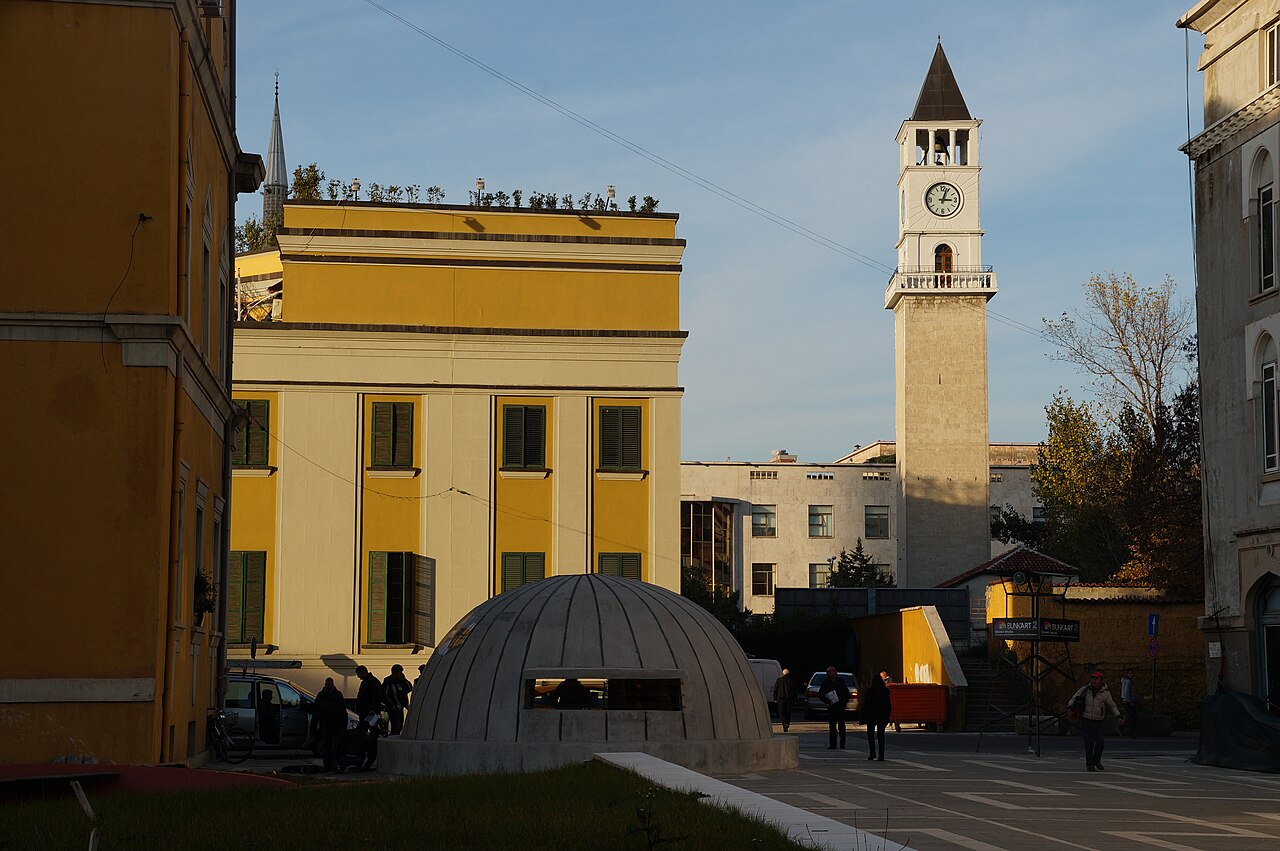
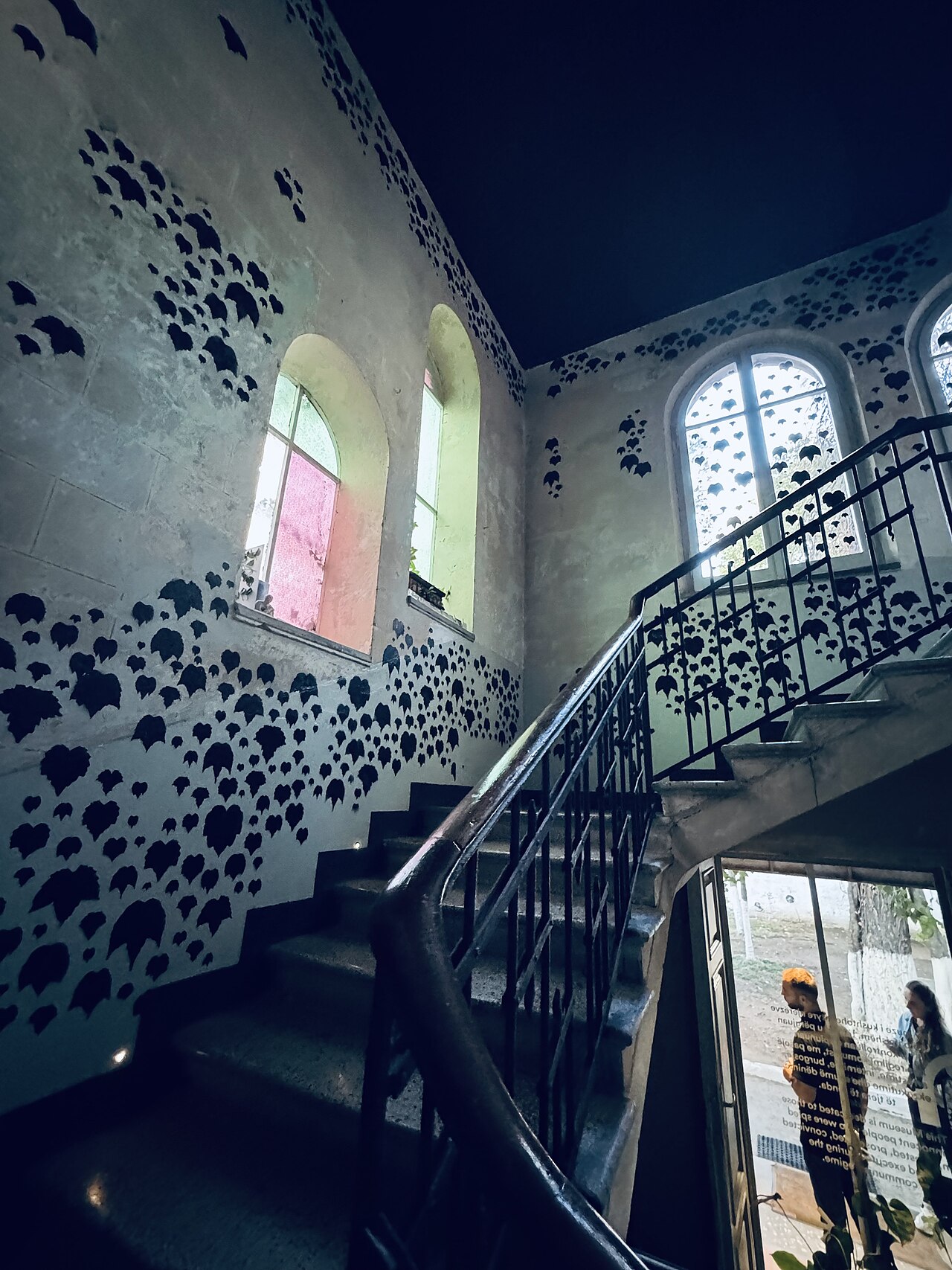
Three to four days is ideal. Spend one or two days in the city itself, covering Skanderbeg Square, the bunker museums, the House of Leaves, the Pyramid and an evening in Blloku, then use the rest for day trips. With five days or more you can add a night in Berat or a mountain hike from the city.
What to book ahead
Very little in Tirana sells out, but a few things are worth reserving. Guided day trips to Berat, Kruja and Durrës run from the centre and are the easiest way to see them without a car; the best-reviewed tours fill up in summer. A communist-history walking tour or a food tour on your first day makes everything else easier to understand, and small-group tours have limited places. Museums such as Bunk’Art 2 and the House of Leaves sell tickets at the door; a combined ticket covers both Bunk’Art museums for three days.
What is open in late 2026
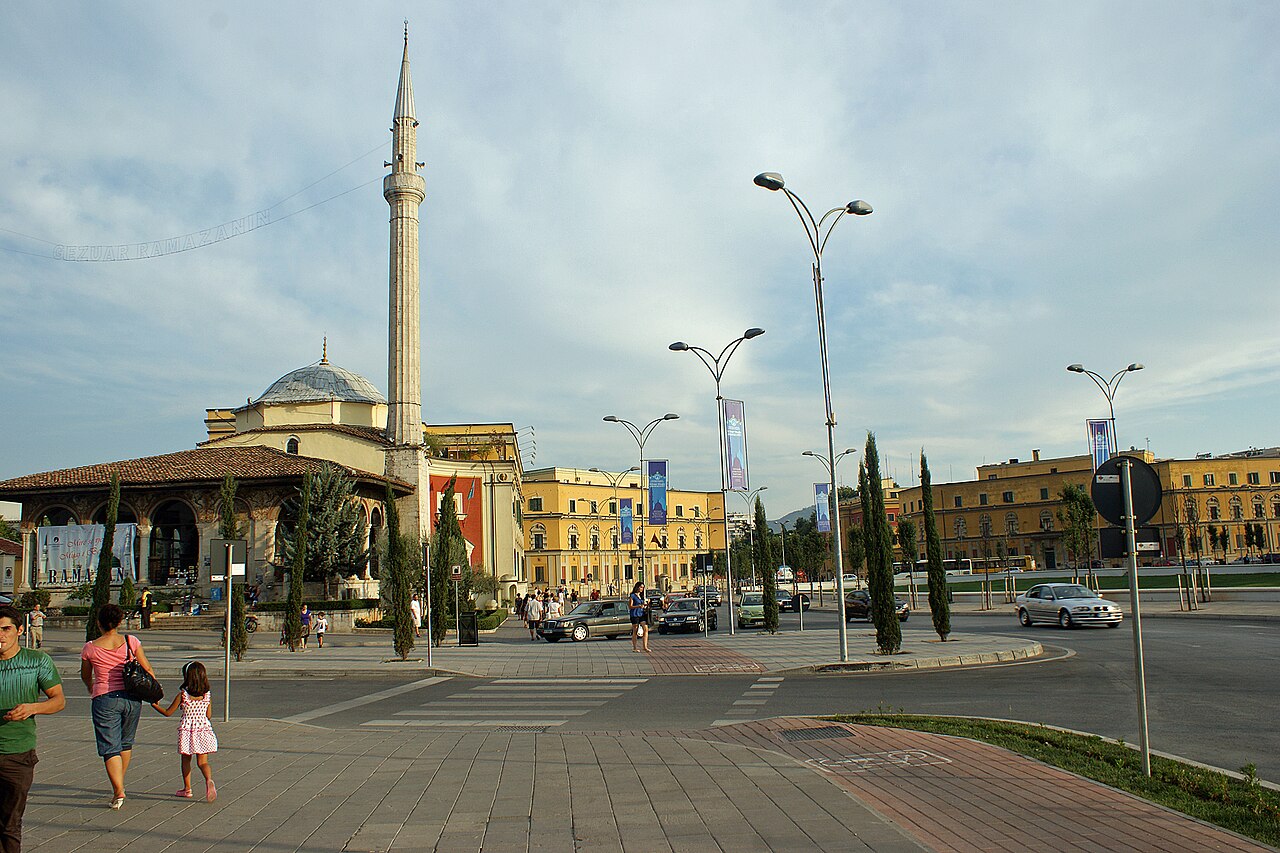
The big change is on Skanderbeg Square: the National History Museum, with its famous mosaic over the entrance, is closed for a multi-year reconstruction, so do not plan around it. The House of Leaves keeps shorter winter hours from mid-October and closes on Mondays until May. The Dajti Ekspres cable car closes every Tuesday. The restored Pyramid is open to walk around and climb, and it costs nothing.
Getting around
The centre is very walkable: Skanderbeg Square, Bunk’Art 2, the New Bazaar, the Pyramid and Blloku are all within about twenty minutes of each other on foot. City buses are cheap and cover the outer sights; bus L11 runs towards Bunk’Art 1, and the Porcelan bus from behind the Palace of Culture goes to the Dajti cable car in about twenty minutes. Taxis are inexpensive; use a ride app or ask your hotel to call one, and agree the fare first for longer journeys. The airport is about forty minutes from the centre by road, with a regular airport bus as well as taxis. Driving in Tirana is hectic, so rent a car only for trips out of the city.
Where the headline sights fit
Day one: a morning communist-history walk, Bunk’Art 2 and the House of Leaves in the afternoon, then sunset from the top of the Pyramid and dinner in Blloku. Day two: the food tour and the New Bazaar in the morning, then Bunk’Art 1 and the cable car up Mount Dajti, or a combined tour that does both. Day three: Berat, the town of a thousand windows, which needs a full day. Day four: Kruja and its castle and bazaar, or the Roman amphitheatre and seafront in Durrës.
When to go
Spring and autumn are the sweet spots, with mild weather for walking and day trips. Summers are hot in the city, though perfect for the coast at Durrës. Winters are cool and rainy but quiet, and the museums, cafés and restaurants stay busy with locals all year.
Money and manners
Albania uses the lek. Cards are accepted in hotels and many restaurants, but carry cash for markets, buses, small cafés and museum tickets. Tipping around ten per cent is appreciated in restaurants. Albanians are famously hospitable; accept a coffee or a glass of raki if offered. Dress modestly when visiting mosques and the Bektashi shrine above Kruja, and remember that a shake of the head can sometimes mean yes.