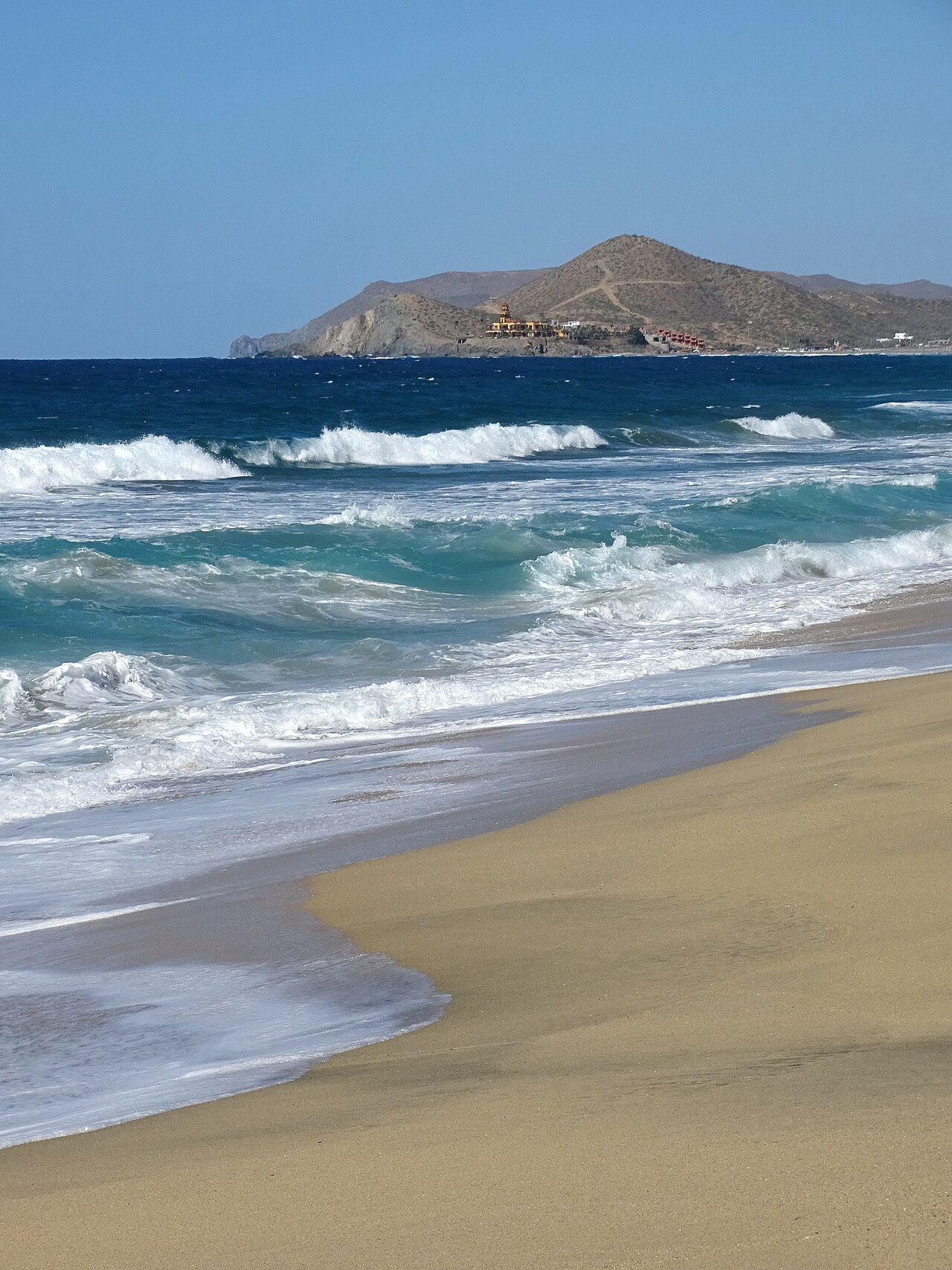
Todos Santos sits on a coast where sea turtles come ashore to nest, and a local volunteer group has protected the beaches since 2003. The Grupo Tortuguero de Todos Santos looks after roughly 35 kilometers of shoreline, from Punta Lobos to Boca del Carrizal, moves eggs that are at risk to an incubation corral and, when hatchlings emerge, organizes releases at sunset. The species involved are the leatherback, olive ridley and black turtle. The season is generally described as running from September to January, with some activity earlier, and visitors take part by contacting the group to confirm a date and time. Tortugueros Las Playitas is the center where people can learn about the animals and see the incubation corrals. It is a moving, low-key evening, and it works only because visitors follow the rules.
How to take part
Contact the group before you go to confirm that a release is planned, since hatching depends on nature and dates change. Bring sunscreen and water, arrive on time and follow the staff instructions for the safety of the hatchlings and of the people attending. A donation to the volunteer group is the usual way to support the work, and they depend on donations.
The rules that matter
Only authorized camps may handle turtle hatchlings in Mexico, and local reporting in 2025 stressed that handling hatchlings without authorization is illegal and harms their survival. Releases held every day or in front of an audience are considered poor practice. Choose a recognized local group, never offer to hold or carry a hatchling yourself and be wary of any operator that guarantees a turtle on demand.
Plan around it
This is seasonal, so check dates in advance, particularly if you travel outside the main months. Combine it with an afternoon at Punta Lobos or Cerritos so that you arrive at the beach in good light. Wear layers, because the evening air can be cool after the sun goes down, and keep lights, flash photography and noise to a minimum so the hatchlings can find the sea.
What to expect
The experience
A seasonal evening with a local volunteer group that protects nesting beaches and releases hatchlings at sunset.
Best time
In season, generally September to January, at sunset on a date the group confirms.
How long
One to two hours including arrival and a short talk.
Tips
Confirm the date with the group, bring water and sunscreen, follow staff instructions and never handle a hatchling yourself.
Quick picks
- Best for
- Wildlife lovers and families who want a conservation-led experience.
- Families
- A memorable evening for children if they are told in advance to watch and not touch.
- Couples
- A quiet sunset moment that ends with the sound of the surf.
- Pair with
- Punta Lobos or Cerritos earlier in the day.
- Time needed
- An evening.
Good questions
When is turtle release season in Todos Santos?+
It is generally described as September to January, with some activity earlier in the year. Dates depend on when nests hatch, so confirm with the volunteer group.
Who runs the releases?+
The Grupo Tortuguero de Todos Santos, a volunteer group founded in 2003, protects about 35 kilometers of beach. Tortugueros Las Playitas is the center where visitors can learn about the work.
Can I hold a hatchling?+
No, only authorized staff may handle hatchlings, and handling them without authorization is illegal. Watch, follow instructions and keep your distance.
Does it cost money?+
Joining a release is generally by donation to the volunteer group, which relies on donations. Ask the group about current arrangements.
What should I bring?+
Sunscreen, water and a light layer for the evening, plus patience, since hatching is natural. Avoid flash photography and bright lights near the beach.