Todos Santos is a small town with an outsized food reputation. The surrounding valley has long been farmland, and in recent decades a wave of growers, chefs and restaurateurs has built a local food scene around organic produce, herbs, local cheeses and fish from the Pacific. You can eat very well here at nearly any budget, but the best meals reward a little planning, because opening days and hours are irregular and many places are small.
Start with the farm-to-table scene
The regional tourism board highlights Jazamango as a farm-to-table restaurant in the area, and El Pescadero has its own cluster of garden-style kitchens built on nearby growers. Menus follow the harvest, so expect seasonal salads, grilled vegetables, fresh herbs, tropical fruit and fish of the day, often with a modern Mexican approach. Vegetarians and vegans tend to find more choice here than in many beach towns, though it is worth telling the restaurant about dietary needs when you reserve. Lunch is often the best-value, most relaxed meal, while dinner is the occasion for a table on the patio.
Seafood by the sea
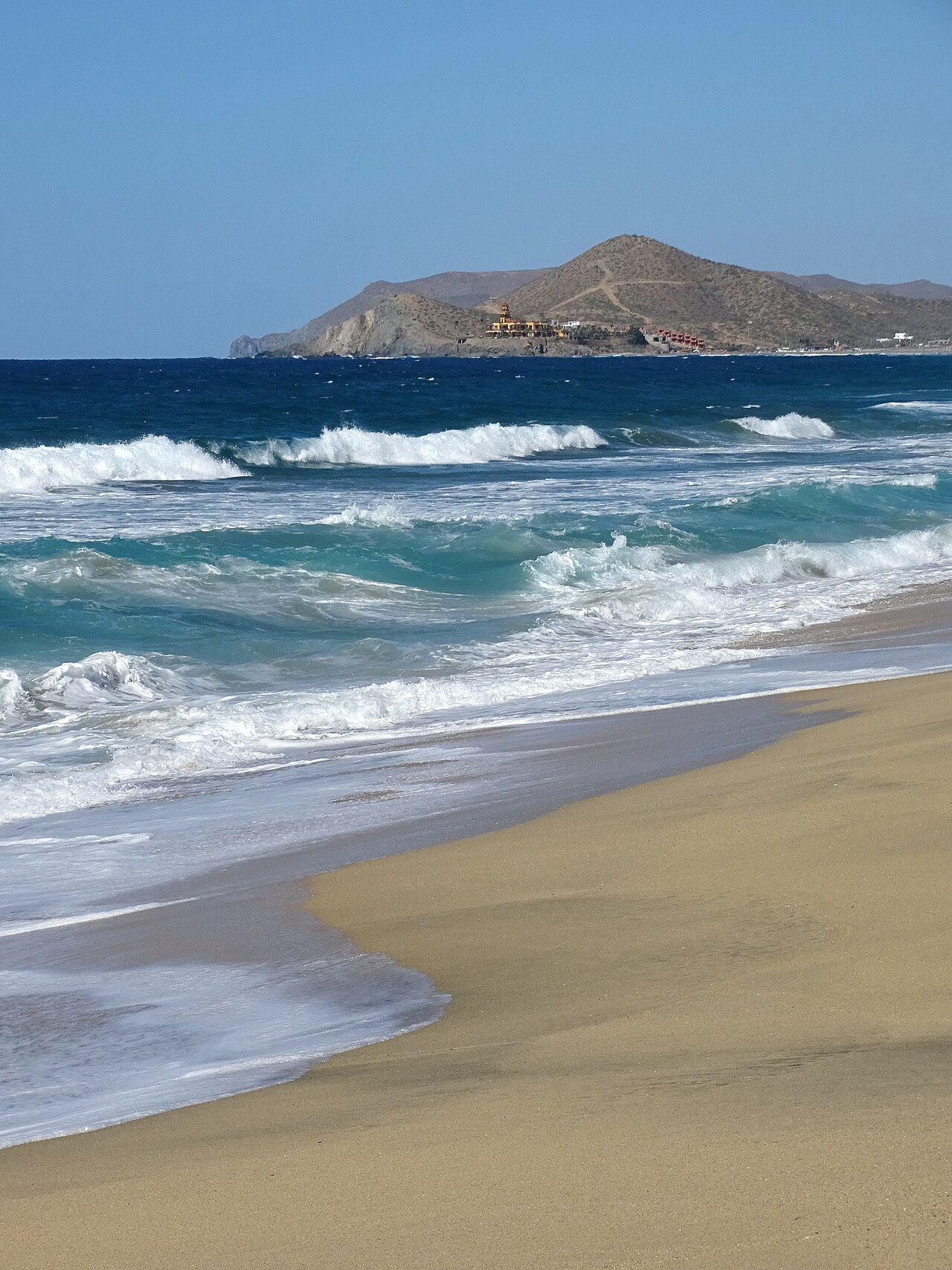
The fishing cooperative at Punta Lobos is a reminder that the Pacific is a working ocean. Boats launch from the sand, and simple seafood is a natural choice at beach-side restaurants and stalls near the fishing beaches. Ask what was caught that day, and favour grilled fish, ceviche and shrimp preparations. Be sensible about freshness: choose busy places and follow your instincts. Tacos with fish or shrimp are the classic Baja order and make an easy lunch after a morning on the beach.
Courtyard drinks and the Hotel California bar
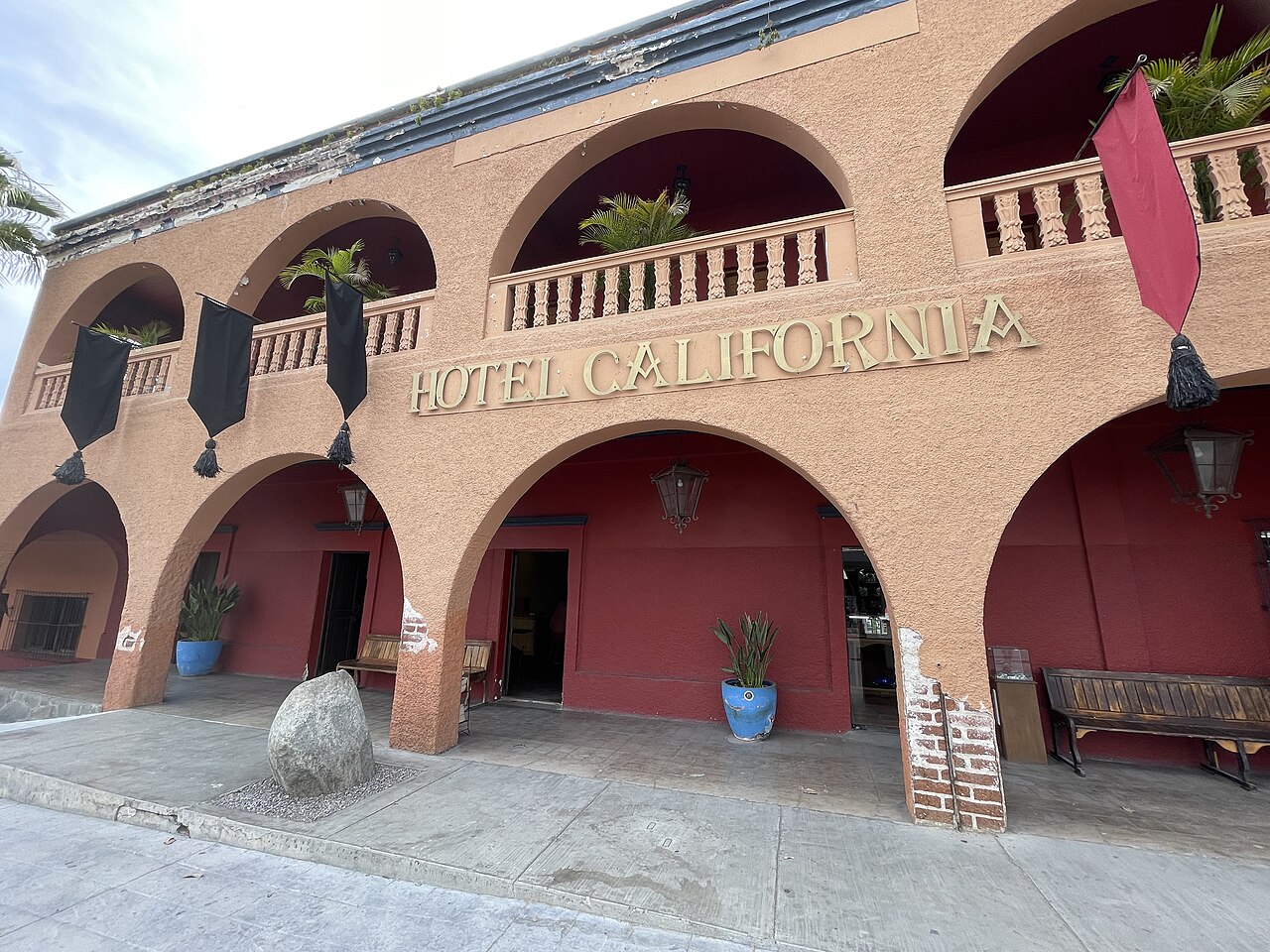
The historic center is a place for slow drinks. Hotel California has a restaurant, bar and shop in its courtyard, and it is a good place for a margarita or a mezcal even if you are staying elsewhere. Other hotels, including Guaycura, have rooftop bars with views, and the plaza area fills with patios in the evening. Mexican craft beer, mezcal, tequila and wines from Baja California are all worth trying, and fresh aguas and cold-pressed juices are easy to find for the daytime.
Coffee, breakfast and bakeries
Mornings are quiet and cool, and cafes open gradually. A coffee and a pastry near the plaza make a calm start, and garden cafes at some hotels serve breakfast and lunch to visitors as well as guests. Many cafes close for part of the afternoon and reopen for the evening, so plan a late breakfast rather than a late lunch if you want options.
Markets and local products
The area is known for small-batch craft products, organic produce, honey, cheeses, chocolate and baked goods. Local markets and shops operate on patterns that can change by season, so ask your hotel which markets are running during your stay, and bring cash for stalls. Buying a few local products to take home makes a good souvenir.
Practical tips
Many restaurants close one or two days a week and keep shorter hours in the low season, so check before you go. Reservations are wise for weekends and the winter high season. Tips of around ten to fifteen percent are customary when service is not already included. Carry some pesos, because not every small stall takes cards. If you have food allergies, say so clearly and do not assume that a menu item can be adapted. Drink bottled or purified water, as is usual in Mexico, and use ice only where the venue says it is made from purified water.
Eating on a budget
Good food does not have to be expensive. Fish tacos, grilled seafood at beach stalls, bakery breads and market fruit keep costs down, and lunch menus at sit-down restaurants are often cheaper than dinner. Hotels with a pool and a simple bar, such as the downtown value pick Hotel Gallo Azul, let you mix casual meals with one or two special dinners. Share plates when you can, and ask about the day's specials, which tend to follow the freshest ingredients.
A simple food plan
Day one: breakfast at a garden cafe, a light lunch near the plaza and dinner at a farm-to-table restaurant. Day two: tacos or ceviche after a morning at the coast, a sunset drink at the beach and a casual dinner in town. Day three: a long lunch at a garden restaurant in El Pescadero or the center, followed by a slow evening drink in a courtyard. Build the rest of the trip around these anchors and let the surf, the galleries and the beaches fill the gaps.