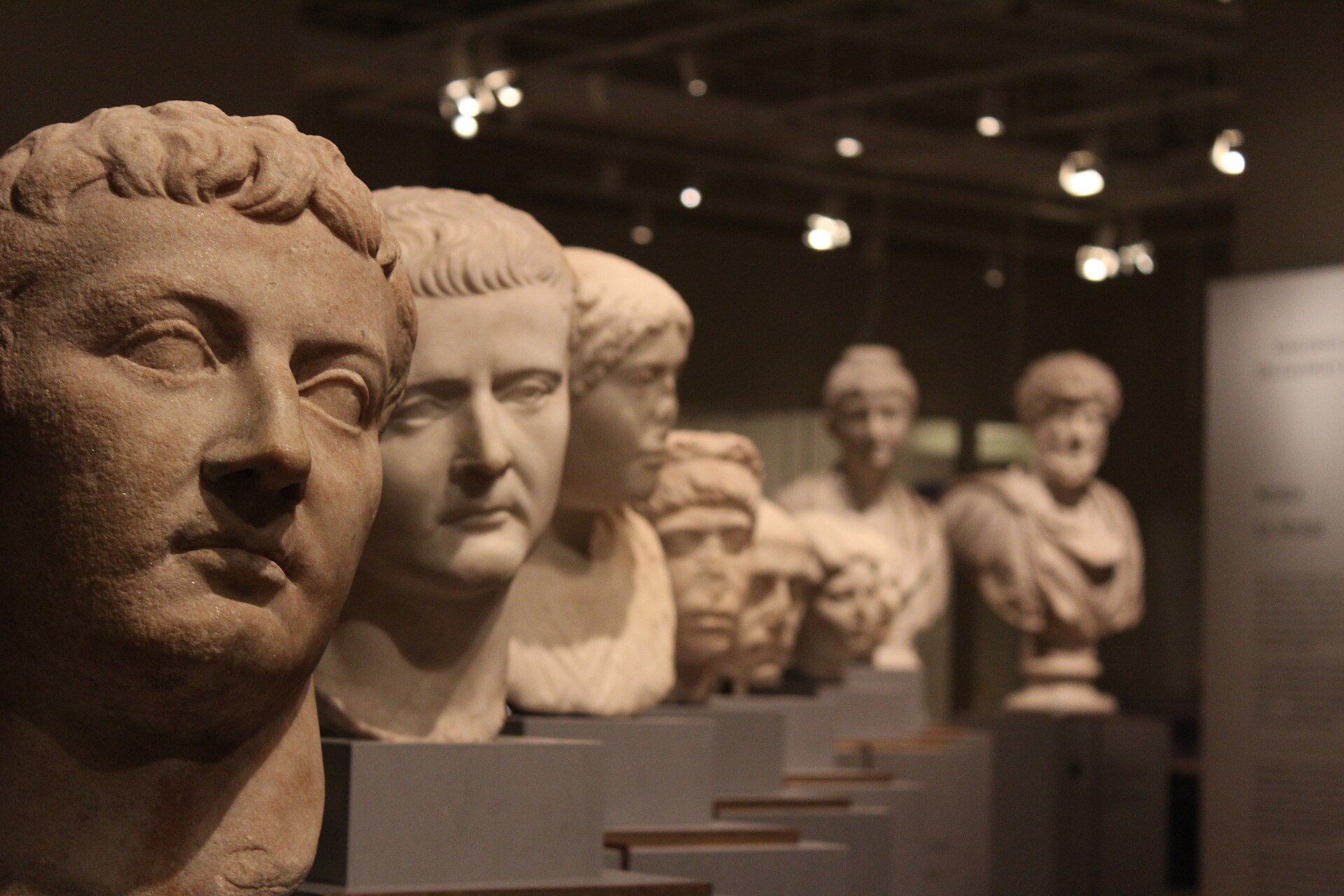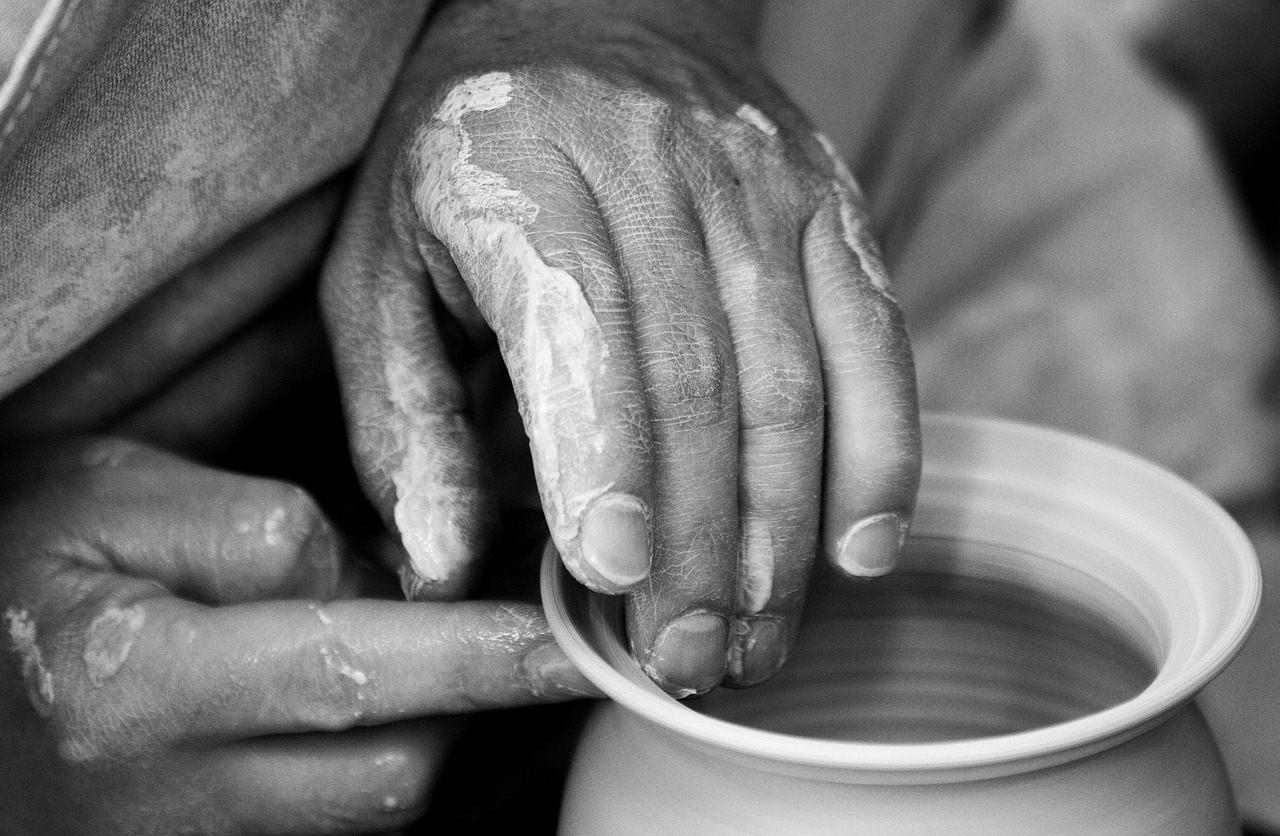
The Gardiner Museum is the Bloor culture crawl's civilized secret: Canada's national ceramics museum — the elegant pavilion directly across Queen's Park from the ROM's crystal chaos — holding 5,000 years of clay at connoisseur depth and visitor-friendly scale: the Ancient Americas galleries' pre-contact masterworks (Maya chocolate vessels with their glyph texts, Nazca polychromes, the Olmec-to-Aztec figure tradition — among Canada's best ancient-Americas holdings in any medium), the Italian Renaissance maiolica collection (the istoriato plates' painted mythologies — dinnerware as mannerist theater, and the museum's founding strength), the European porcelain race told properly (Meissen's alchemy-adjacent origin story — the arcanum's industrial espionage — through Sèvres and the English factories, with the commedia dell'arte figure collection as the charm tier), Asian export ware's trade-route narratives, and the contemporary galleries' living argument (Canadian and international studio ceramics, the exhibitions program running ambitious — the museum's modern-clay advocacy built the city's ceramics scene). The participation layer is the differentiator: the Gardiner runs clay classes as core programming — the drop-in wheel-throwing sessions (Friday-night and weekend slots where visitors throw an actual pot under instruction, clay-splattered and delighted: the museum's best-kept experience and the city's most underrated date activity; book ahead — they fill), the family clay Sundays, and the studio floor's working transparency. The practical charms: 90 minutes covers the collection richly, the third-floor terrace restaurant runs a proper lunch (the Clay-adjacent dining room's quiet beats the ROM's food court profoundly), the admission runs modest with free-Wednesday-evening traditions (check current), and the location is the crawl's hinge — ROM opposite, Bata two blocks west, the subway's Museum station between, Yorkville's cafés five minutes north. Fit: the museums chip's calm entry, couples (the clay-class date and the terrace lunch), craft-and-design travelers (pilgrimage tier), and ROM refugees — the Gardiner is where the crystal palace's overwhelmed decompress.
The founders' story
George and Helen Gardiner's collecting (the financier's maiolica-and-porcelain passion, assembled with scholarly rigor through the 1970s-80s) built the collection, their 1984 museum gave it the purpose-built pavilion (the KPMB renovation era refined it into the current understated elegance), and the institution's dual identity — connoisseur collection plus working clay advocacy — made it the rare decorative-arts museum with a living practice attached: the resident-artist programs, the Smash contemporary fundraiser's scene, and the class studio's community mean the museum argues clay forward, not just backward. The collection's deep cuts: the Maya vessels' readable glyph dedications (the chocolate-pot texts name their owners — the labels translate), the maiolica's istoriato narratives (Ovid on dinner plates — the Renaissance's Netflix), the Meissen arcanum story (Böttger's imprisoned-alchemist origin — porcelain as state secret), the commedia figures' theatrical miniatures, and the contemporary wing's rotating provocations.
The visit craft
90 minutes at savor pace, the free daily tours decode the maiolica's mythologies, the clay classes book ahead (the Friday-evening wheel sessions are the city's most underrated date — expect splatter and keep the pot), the terrace lunch reserves on exhibition weekends, and the Wednesday-evening free-admission tradition (check current hours) makes the after-work visit a local habit. The crawl logistics: Museum station exits between the Gardiner and ROM, the Bata's shoebox two blocks west, Philosopher's Walk's ravine path behind the ROM, and Yorkville north for the after — the Gardiner slots as the crawl's breather, and pairing it AFTER the ROM (decompression sequencing) is the connoisseur order.
Practicals and fit
111 Queen's Park at Museum station, 90 minutes, modest admission with free-evening traditions, clay classes booked ahead. Fit: couples (the date class), craft travelers, the museums chip's calm slot — and everyone the ROM's crowds just processed.
What to expect
The experience
Canada's ceramics museum across from the ROM — Maya vessels, Renaissance maiolica theater, the Meissen porcelain race and contemporary studio clay — with drop-in wheel-throwing classes as the living layer.
Best time
Pair it after the ROM as decompression; Friday-evening clay classes book ahead; check the free-Wednesday-evening tradition; terrace lunch on exhibition weekends.
How long
Ninety civilized minutes, class optional.
Tips
Book the wheel-throwing session — the city's most underrated date, splatter included, pot kept. Read the Maya chocolate-pot glyph translations. The terrace restaurant beats every museum food court in town.
Quick picks
- Best for
- Couples — the throw-a-pot Friday date and the terrace lunch are the museum's secret products.
- Families
- Family clay Sundays and the commedia figures' miniature theater carry the kids.
- Couples
- Wheel-throwing side by side, then the quiet terrace — clay-splattered romance.
- Pair with
- The ROM opposite (do the Gardiner after, as the exhale), Bata two blocks west, Yorkville north.
- Time needed
- One calm ninety, or the class evening.
Good questions
Can we actually make pottery?+
The museum's best-kept experience — drop-in wheel-throwing sessions (Friday evenings and weekends) put you at a wheel under instruction, clay-splattered and keeping your pot; they fill, so book ahead.
What are the collection highlights?+
Maya chocolate vessels with translated glyph texts, the Renaissance maiolica's painted mythologies, the Meissen porcelain-race story told as industrial espionage, and the contemporary wing's living argument.
How does it pair with the ROM?+
As the exhale — directly across Queen's Park, 90 civilized minutes after the crystal palace's crowds, with the terrace restaurant beating every museum food court in the city.
Is there free admission ever?+
The Wednesday-evening tradition has run free or by-donation windows — check current hours — and the base admission stays modest regardless.
Who built this collection?+
George and Helen Gardiner's scholarly obsession — maiolica and porcelain assembled through the 70s-80s — opened as their 1984 gift, grown since into Canada's national ceramics museum with a working studio attached.