Trinidadian cooking is built on layers of seasoning, patience and fearless use of pepper, and a cooking class in Port of Spain is the best way to understand it from the inside. Led by a local cook, the session walks you through the building blocks of the island's food, from the green seasoning of herbs, garlic and peppers that flavours so many dishes to the roti, curry and stewed meats that appear on every menu. You chop, stir and taste alongside the instructor, hear where each dish came from and finish by eating the meal together. Unlike a restaurant meal, the class leaves you with technique, and it is a rewarding rainy-day or first-evening activity that explains much of what you will taste for the rest of the trip.
The cuisine is a meeting of cultures, which a good class makes clear. Indian cooks brought curry, flatbread and split peas, so dishes such as doubles and roti are staples. African and Creole traditions gave the island its one-pot rice dishes and its callaloo, a smooth, green soup made from dasheen leaves.
Chinese and Middle Eastern communities left their mark, too. A class lets you handle the ingredients that carry these influences, including chadon beni, a leafy herb with a strong flavour that is sometimes compared with coriander but is more intense, and the local peppers that give Trinidadian cooking its famous heat.
Expect a mix of demonstration and participation. Most classes are small, so you can ask questions and handle the food rather than just watching. The instructor will usually show you how to build flavour in stages, how to adjust the heat to your taste and how to substitute ingredients at home if you cannot find the originals.
The finished meal is eaten together, often with a drink, and most operators are happy to adapt recipes for vegetarians or guests who prefer milder food. Tell them about allergies and preferences when you book so that the menu can be planned.
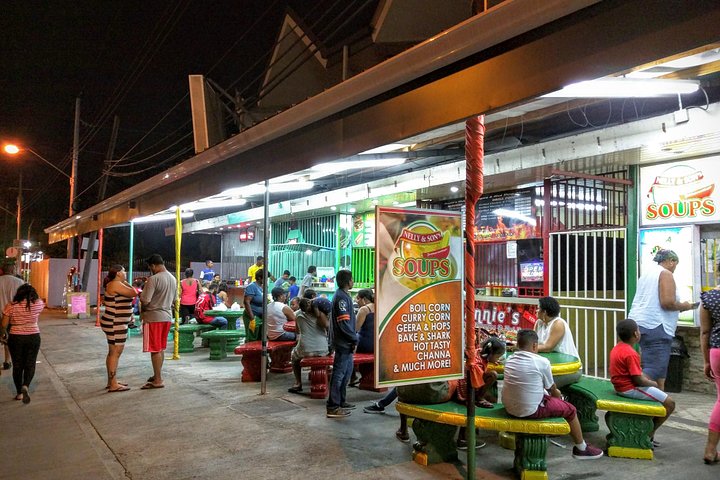
Booking ahead is wise, as classes run in limited sessions and groups are intentionally small. Wear clothes you do not mind getting splashed and bring an appetite. The class pairs well with a visit to a market or with the night food tour, which lets you taste the street versions of dishes you have learned to cook.
Ask when you book about the menu, the length of the session and whether recipes are shared afterwards. For many visitors the class is the highlight of the food side of a trip, because it turns a meal into a skill and gives you something to cook at home long after the holiday ends.
What to expect
The experience
A small, hands-on class where you prepare Trinidadian dishes with a local cook and then eat them together.
Best time
Late morning or afternoon sessions are the most common, and it works any day, including on wet ones.
How long
Around three to four hours.
Tips
Mention allergies and heat preferences when you book, and wear clothes you do not mind marking.
Quick picks
- Best for
- Food lovers who want technique and recipes to take home.
- Families
- Older children who enjoy cooking usually take part happily.
- Couples
- A fun shared activity that ends with a good meal.
- Pair with
- The night food tour for street versions of the dishes.
- Time needed
- Three to four hours.
Good questions
Do I need cooking experience?+
No. The class suits complete beginners as well as keen cooks.
Can vegetarians take part?+
Usually, if you tell the operator in advance so that the menu can be adapted.
Will I eat what I cook?+
Yes, the class ends with a shared meal of the dishes you prepared.
Is the food very spicy?+
Trinidadian food can be hot, but heat can normally be adjusted. Ask for a milder version if you prefer.
Do I get the recipes?+
Many classes share them. Ask when you book.