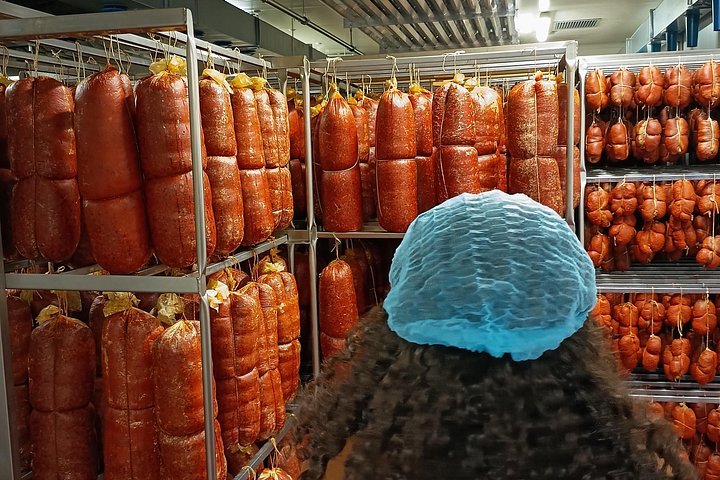
Two ingredients put Tropea on the culinary map, and this tasting experience puts both on the table. The Tropea red onion is long, slender and remarkably sweet, a product of sandy coastal soil and mild sea air, and it is protected by a European designation of origin. Nduja is the other half of the story: a soft, spicy pork salami from the nearby village of Spilinga, made with abundant Calabrian chili and spread on bread, stirred into sauces or melted over pizza. The experience combines them in a tasting that explains how each is produced, how locals use them and why they pair so well, one cooling and sweet, the other rich and hot. You can expect a guided introduction, a progression of small bites, local bread and olive oil, and typically a glass of regional wine or another drink to go with them. The session is relaxed, informative and very tasty, and it is a good rainy-day or midday alternative to a boat trip. It suits food lovers, couples and curious families, and it makes a natural companion to the walking food tour or the cooking class.
Understanding these two ingredients tells you a lot about Calabrian cooking. The red onion is harvested in summer and stored in braids or crates, and in Tropea you will see it sold in every form: raw, pickled, candied, in jam, in sauce and even in gelato. Its mild flavor means it can be eaten like an apple by those who dare, which is the cliche of the region, though a gentler approach with cheese and bread is more common.
Nduja has an interesting story of its own. Its spreadable texture comes from a high fat content and a long curing process, and its color and heat come from local peperoncino. It is traditionally served on warm bread or used as a flavor base for pasta, eggs and stews.
During the tasting you learn how to select good products, read labels and avoid tourist shop imitations. That knowledge is useful when you go shopping afterward for gifts, because the quality range is wide. Vacuum-packed jars travel well, but check airline and customs rules before packing cured meats and cheese, especially if you are flying outside the European Union.
Check the details at booking, as formats differ by operator and season. Some sessions are held at a farm or workshop, others in a shop or garden, and the length and number of items vary. Raise allergies and dietary needs in advance. If you are traveling with children, ask about mild versions. Many people book this experience in the late morning, when the sun is strongest and the beach is crowded, then follow it with a long lunch or a siesta before an evening aperitif.
To get the most from the session, ask questions. Producers love to explain how they choose onions, how long nduja ripens and which pairings they prefer at home, and those details make the flavors easier to remember. Take notes or photos of labels so you can buy the same products later, and ask about storage and shelf life, since onion jam, chili paste and cured meats have different requirements.
If you are traveling onward by air, ask the seller to pack items securely, and keep receipts, which can help at customs when you carry food products across borders.
What to expect
The experience
A guided tasting of Tropea red onion and nduja with local bread, oil and drinks, explaining production and traditional use.
Best time
Late morning or afternoon, a good break from midday sun; summer harvest season brings the freshest onions.
How long
Typically one to two hours, depending on the format.
Tips
Ask whether it is held at a farm or in town, mention dietary needs early, and buy jars at the end rather than at the start.
Quick picks
- Best for
- Food lovers who want to learn the two products behind Tropea's reputation.
- Families
- Kids usually enjoy the sweet onion products; nduja heat can be adjusted.
- Couples
- A tasting for two with wine, easy and relaxed.
- Pair with
- The food walk or cooking class on other days.
- Time needed
- One to two hours, easy to place between a swim and dinner.
Good questions
What is nduja made of?+
It is a spreadable cured pork salami blended with generous Calabrian chili, which gives it both heat and its soft texture.
Why is Tropea red onion special?+
Its mild sweetness comes from the soil and climate of the coast, and it is protected by a geographic designation, so it differs from ordinary red onions.
Can I take products home?+
Often yes in sealed packaging, but customs rules for meat and dairy vary by country, so check before you buy.
Is the tasting suitable for vegetarians?+
The onion elements are, but nduja and cured meats are not. Ask the operator what alternatives they offer.
What is the best time of year?+
Late spring through autumn for easy travel, with the onion harvest season in summer. The tasting itself works in any weather.