Calabrian food is direct, generous and spicy, and Tropea is a good place to taste it. The cooking relies on simple ingredients from the land and sea, treated with respect and a lot of chili. This guide covers the essentials so you can order with confidence and choose the right food experiences.
The red onion
Tropea red onions are long and slender, with a mild sweetness that makes them suitable for eating raw. They are grown on the coastal plain and protected by a geographic designation, so the name is meaningful. You will see them braided and hung outside shops, and you will taste them in salads, sauces, frittatas, jams and even ice cream. A tasting experience that focuses on red onions is a good way to learn how they are used, and buying a jar of onion jam to serve with cheese is a classic souvenir.
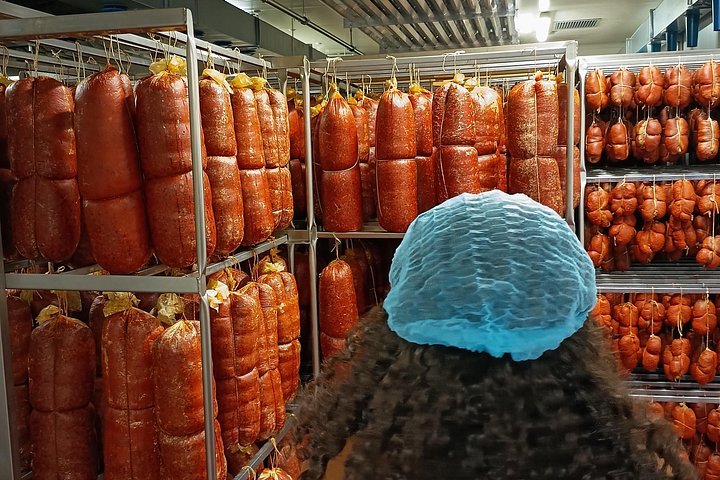
Nduja
This spreadable salami comes from nearby Spilinga and is made from pork and plenty of Calabrian chili. It is soft, rich and hot, and it is eaten on bread, melted on pizza or stirred into pasta sauces. If you are sensitive to heat, start with small amounts. Pairing it with sweet onion or fresh cheese balances the spice. Red onion and nduja tastings often combine both, which tells you a lot about the local approach to flavor.
Pasta, vegetables and the garden
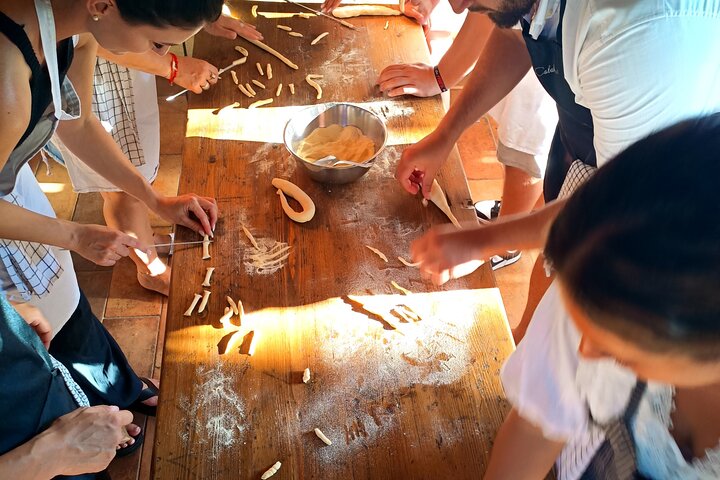
Fileja, a hand-rolled pasta shape, is traditional in this part of Calabria, often served with tomato sauce, nduja or meat ragu. Vegetables like eggplant, peppers and zucchini appear in countless forms, from grilled to stuffed to preserved in oil. A countryside cooking class lets you learn these techniques in a home setting, then eat the meal you made.
Seafood
The Tyrrhenian coast supplies fish, shellfish and swordfish, and grilled fish with lemon and olive oil is a safe, delicious choice. Look for daily catches and ask what is fresh. Coastal restaurants range from casual terraces to more formal dining rooms, and reservations are wise in July and August.
Olive oil
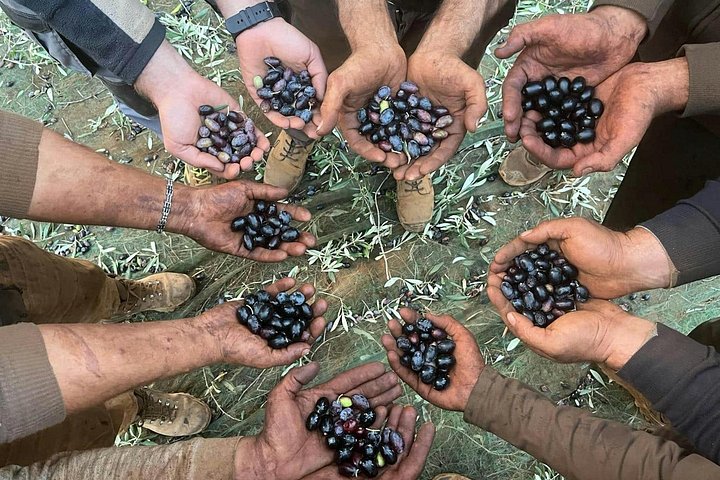
The groves of the Gioia Tauro plain and surrounding hills produce excellent oil. A farm visit with tasting and lunch, such as a day trip combining olive oil and the hilltop town of Nicotera, teaches you how to taste oil and gives you a chance to buy bottles directly from producers.
Sweets and gelato
Pizzo is famous for tartufo, a ball of chocolate and hazelnut gelato with a molten center. A short trip from Tropea, it is a favorite family outing. In Tropea itself, gelaterie sell flavors made from local ingredients, including red onion, for the brave.
Wine
Calabria has ancient wine traditions and a range of local grapes. Ask for regional wines by the glass, which restaurants often offer, and try the local red and white varieties. Food walks and tastings typically include a pour of wine.
Practical tips
Eat when Italians eat: lunch from around one, dinner from eight onward. Many places close in the afternoon. In peak season, reserve ahead. Tell restaurants and tour operators about allergies in advance. If you want to bring food home, check customs rules for meat and dairy, and choose sealed, shelf-stable items such as jams, oil and dried chili.
Which experience to choose
For orientation, take the food and drinks walking tour. For product knowledge, choose the red onion and nduja tasting. For hands-on fun, book the countryside cooking class. For a relaxed day with scenery, pick the olive oil farm trip. Together they cover the whole Calabrian table.
A sample day of eating
Start with a cappuccino and a pastry at a cafe in the old town, then stop at midday for a plate of fileja with a tomato and nduja sauce and a salad of sliced red onion. In the afternoon, share a gelato, perhaps a small cup of local flavors, and in the evening order grilled fish, vegetables from the garden and a glass of regional wine. Finish with a short walk to digest. This simple rhythm, repeated for a few days, gives a better sense of Calabria than any single famous restaurant, and it leaves room in the budget for tastings and classes. Ask staff what is fresh that day.