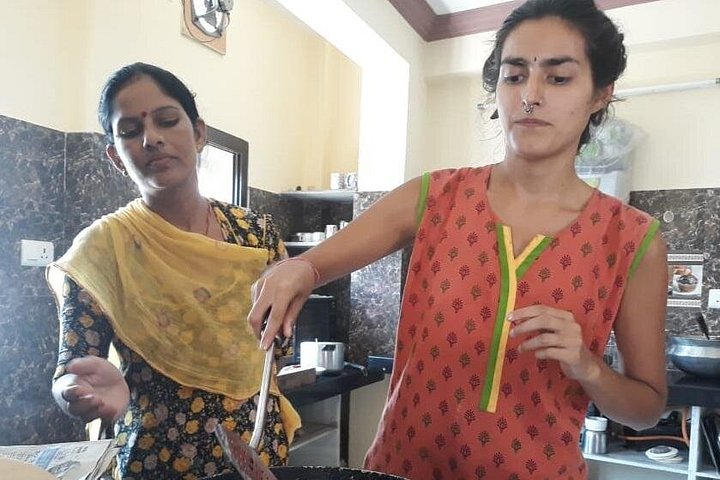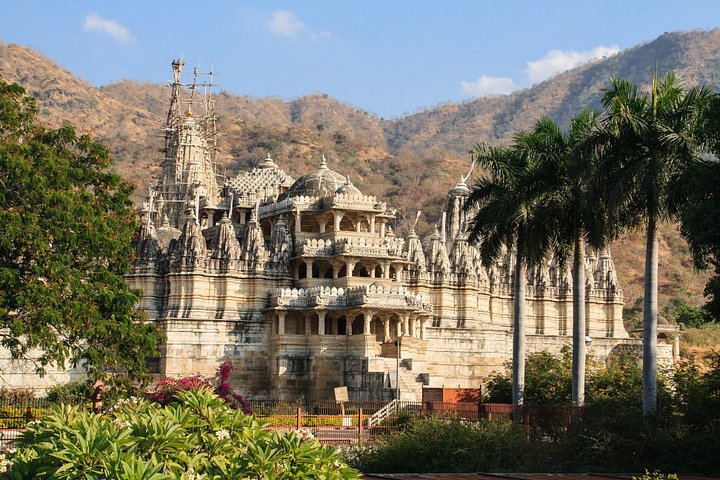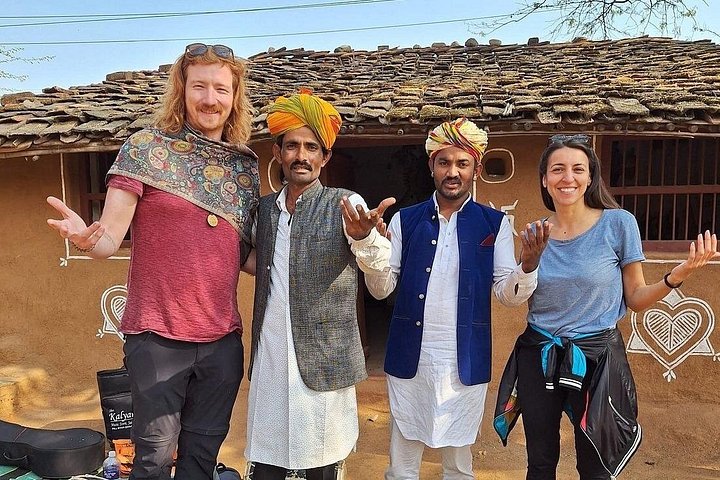
Shilpgram is a living showcase of western India’s village arts, set on about 70 acres in the Aravalli hills near Havala village, roughly three kilometres west of the city. It was created by the West Zone Cultural Centre as a rural arts and crafts complex, and its clusters of huts recreate the homes of communities from Rajasthan, Gujarat, Goa and Maharashtra. Wander between mud-walled houses, thatched roofs and carved doors, and you see how architecture changes from desert to coast. Inside the grounds are craft stalls, a terracotta museum, an ethnographic museum, a sculpture park and daily folk performances, and families can ride camels or horses and play on swings. The visit linked here is a guided artisan tour with a local female guide, which introduces craftspeople and explains the techniques behind the work on sale. It is a good change from palaces for anyone curious about everyday culture.
Getting there and timings
Shilpgram is on the edge of town and is best reached by tuk-tuk or taxi. The grounds are open every day, from late morning until early evening, so a visit works well in the afternoon when the palaces are hot and crowded. Wear comfortable shoes, because paths are uneven and distances between huts add up.
What to expect
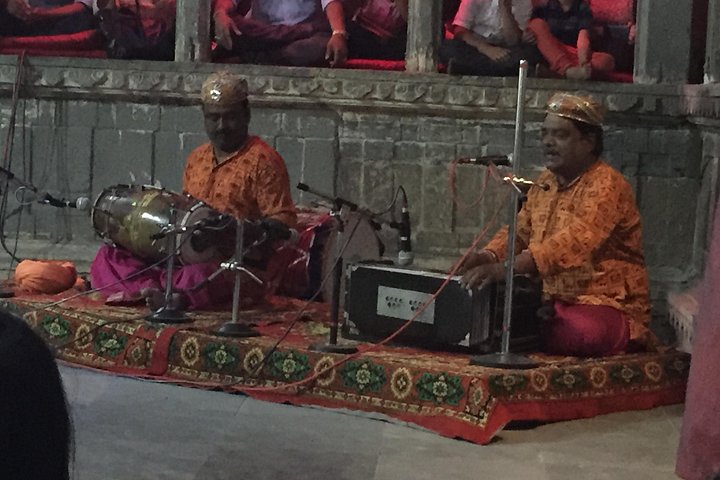
The huts are arranged by region, and each is furnished with the tools, textiles and household objects of its community. You will find potters, weavers, woodcarvers and painters at work or on display, and the stalls sell handmade goods at fairer prices than the old-city tourist shops. The guided tour adds context, introduces artisans and lets you ask how things are made. There are cultural performances during the day, and the grounds host an annual craft festival in the cooler months, so ask locally when it falls.
Making the most of it
Allow two to three hours for the guided visit, and carry water and a hat, since much of the walk is in the open. It pairs well with a visit to the Bharatiya Lok Kala Mandal folk museum or a sunset at Fateh Sagar Lake, both on the same side of the city.
If you plan to shop, bring cash and compare prices before buying. Children enjoy the animals and open space, which makes this one of the easier culture stops for families, and it suits a slower pace after a morning of palaces.
What to expect
The experience
A guided walk through the Shilpgram huts, museums and craft stalls, meeting artisans and learning how their work is made.
Best time
Afternoon in the cooler months from October to March, when the open grounds are comfortable.
How long
Two to three hours for the guided visit.
Tips
Wear walking shoes, carry water and cash, and ask about the annual craft festival if you want the busiest, liveliest days.
Quick picks
- Best for
- Families, craft lovers and travellers who want everyday culture after the palaces.
- Families
- One of the easiest culture stops, with open space, animal rides and swings.
- Couples
- A pleasant, unhurried afternoon walk and a chance to shop for handmade gifts.
- Pair with
- Fateh Sagar Lake at sunset, or the Bharatiya Lok Kala Mandal puppet show.
- Time needed
- A relaxed half day, around three hours with travel.
Good questions
Where is Shilpgram?+
Shilpgram is about three kilometres west of Udaipur, near Havala village in the Aravalli foothills. Take a tuk-tuk or taxi.
What are the opening hours?+
The grounds are open every day, from late morning until early evening. Check on the day, especially around festivals.
What can I see at Shilpgram?+
Huts from several western Indian states, craft stalls, a terracotta museum, an ethnographic museum, a sculpture park and daily performances.
Is Shilpgram good for children?+
Yes. The open space, animal rides and swings make it one of the easier cultural stops for families.
Is there an annual festival?+
Shilpgram hosts a craft festival in the cooler months. Ask locally for the dates, as the programme changes each year.