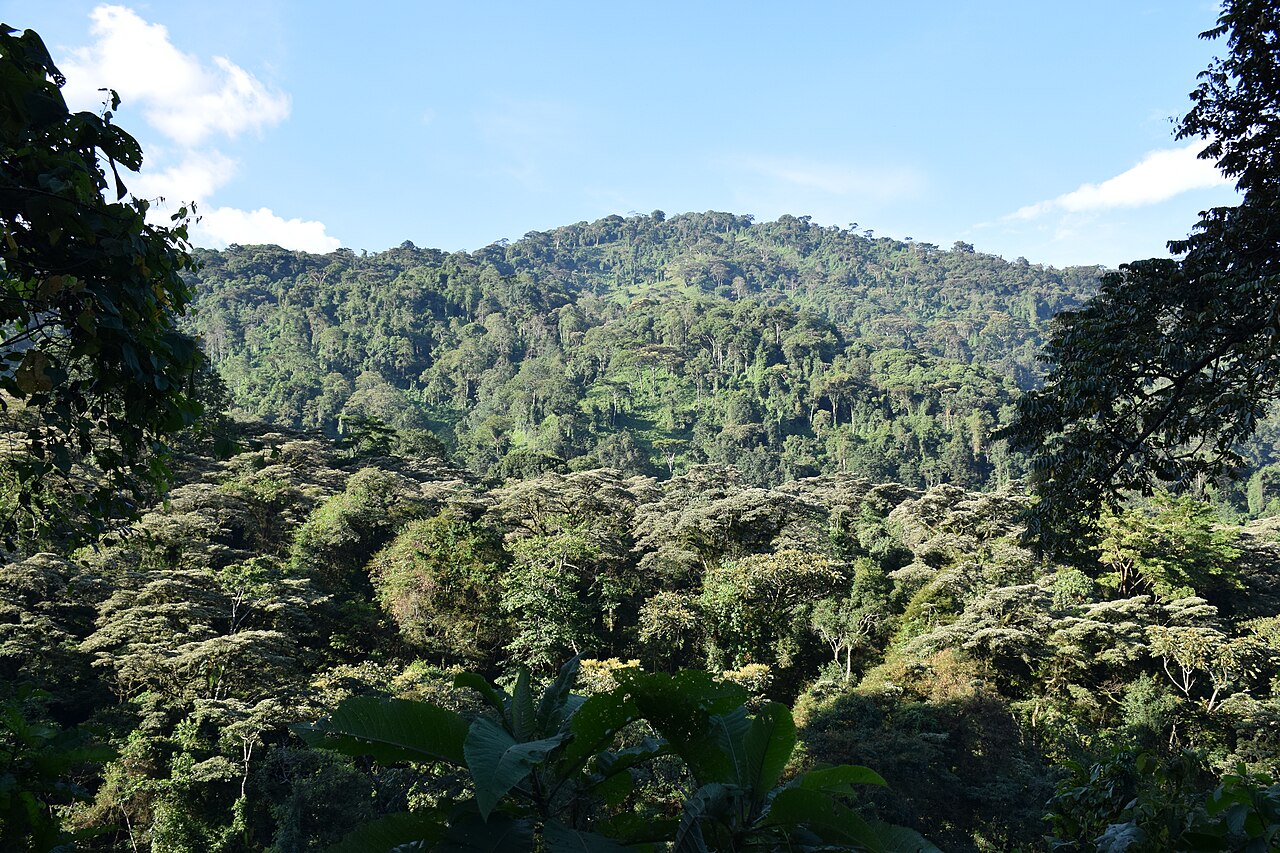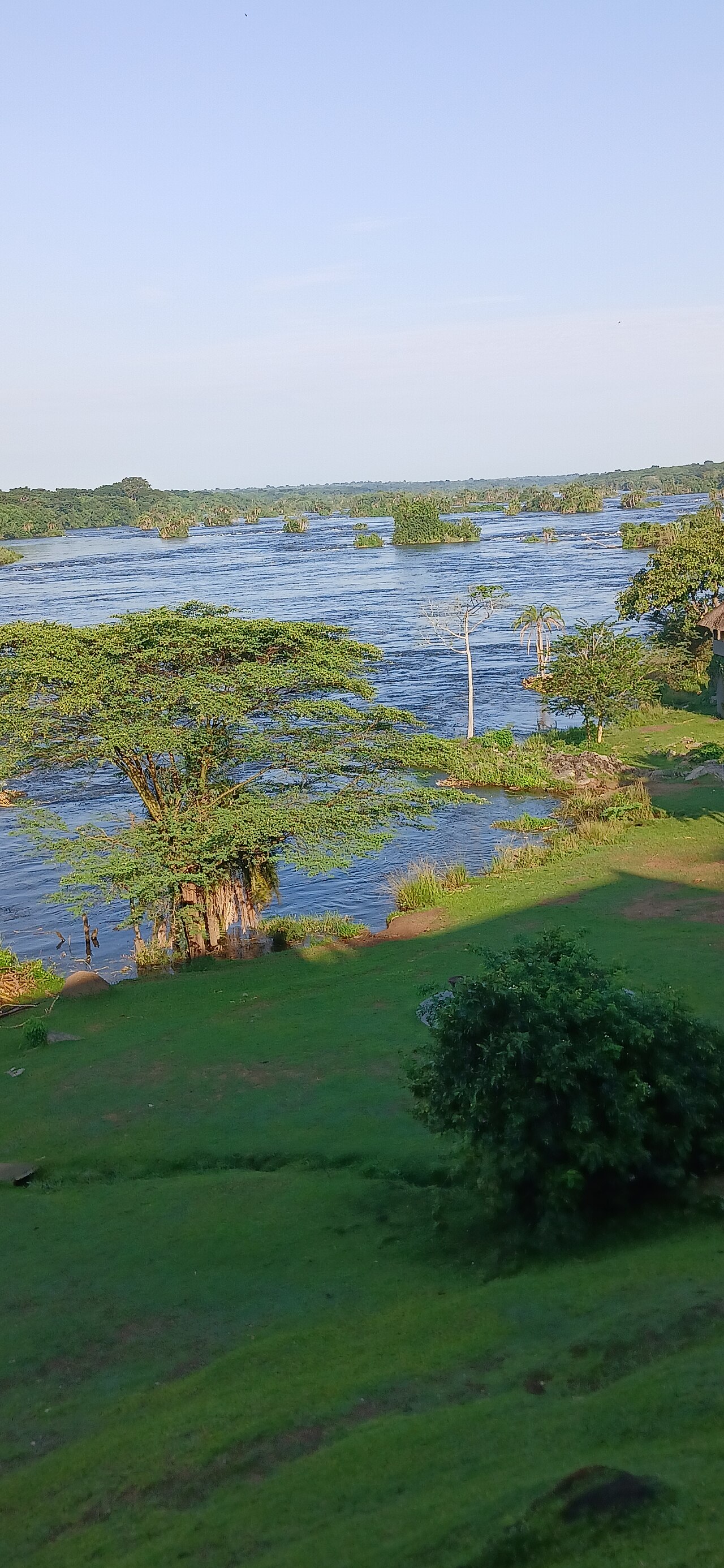
Mount Elgon is one of Africa's oldest and largest extinct volcanoes, a broad mountain on the border of Uganda and Kenya whose wide caldera and gentle slopes make it one of the most approachable high peaks in East Africa. The Ugandan side is protected within Mount Elgon National Park, with forest, bamboo, heather and moorland, waterfalls, hot springs and caves that elephants once used to dig for salt. Unlike Kilimanjaro or the Rwenzori, Elgon needs no technical skills and sees far fewer hikers. This expedition is a guided hike on the Ugandan side, with options that run from a couple of days to a longer trek toward the summit area. Routes climb through forest where monkeys and birds are common, then open into moorland dotted with giant lobelia and groundsel. Camps and huts provide simple overnight stops, and the views from the crater rim stretch over Uganda and, on clear days, toward Kenya. The mountain suits hikers who want a real mountain experience with less crowding and lower costs than the better-known peaks.
Choosing a route
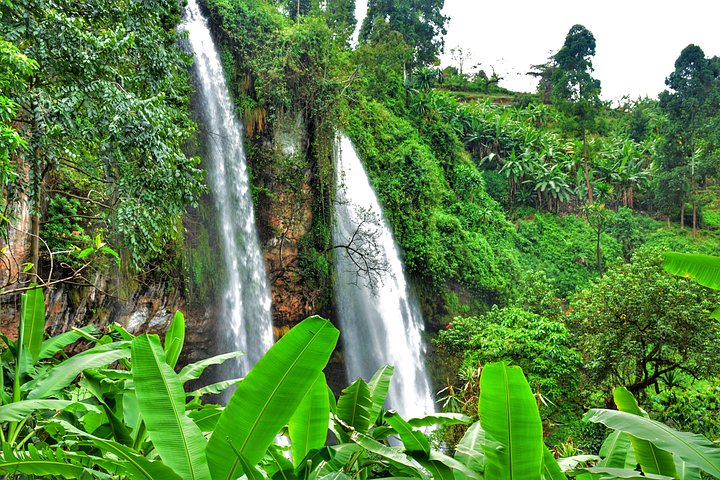
The main trails differ in length, steepness and scenery. The Sasa route is the shortest and steepest, the Sipi route is gentler with views of waterfalls and the Piswa route is a longer traverse through the forest. Multi-day treks end at Wagagai, the highest point in Uganda, while shorter hikes reach caves, viewpoints and hot springs. Ask the operator about the route, the number of days, porters and meals before you book.
What to expect
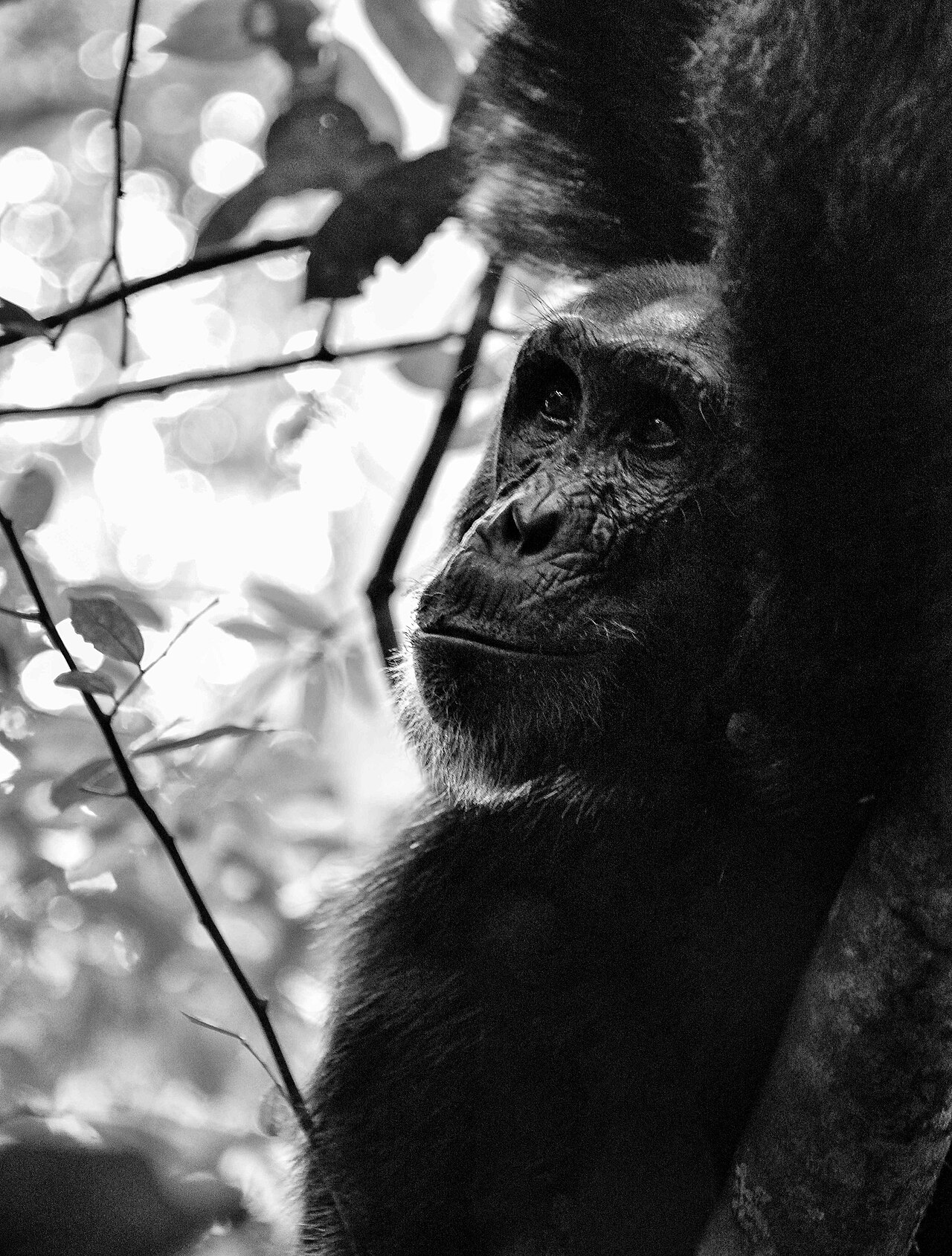
Days are long but not technical. You walk several hours a day with a guide and often an armed ranger, carry a daypack and eat meals prepared by a cook. Nights are cold, and rain is possible in any season, particularly in the wetter months. The reward is solitude and wide, open landscapes, plus wildlife like blue monkeys, black-and-white colobus, forest birds and, with luck, duikers.
Practical advice
Pack layers, a waterproof jacket, warm sleeping gear, sturdy boots, a head torch and sun protection. Hire a porter if you want to carry less, as the money supports local communities. Park fees and permits apply, and an operator normally arranges them. Allow time to acclimatise, as the altitude is moderate but the climbs are real.
Pairing ideas
Combine the hike with Sipi Falls, which sits on the mountain's lower flanks, and with a visit to Mbale for markets and the Wanale ridge. Travellers heading to Kidepo can fit Elgon into an eastern loop. Allow at least three or four days for the mountain and its surroundings.
What makes Elgon special
The mountain holds the largest volcanic caldera on earth by some measures, about forty kilometres across, and its slopes shelter plants found nowhere else, including giant lobelias and groundsels that grow to the height of small trees. The caves on the lower slopes, such as Kitum on the Kenyan side, are linked to elephants that dig for minerals, and there are hot springs inside the caldera. Local Bagisu and Sebei communities farm the lower slopes and welcome visitors to learn about coffee growing, so a cultural stop is a nice addition to any hike.
What to expect
The experience
A guided multi-day hike on Mount Elgon through forest, moorland and caldera scenery with camping and a cook.
Best time
The drier months, roughly December to February and June to August, though rain is possible at any time.
How long
Two to four days depending on the route.
Tips
Pack layers, waterproofs and a head torch, and ask your operator which trail they use.
Quick picks
- Best for
- Hikers who want a quieter alternative to Kilimanjaro with no technical climbing.
- Families
- Best for fit teenagers on shorter routes; multi-day treks are demanding.
- Couples
- A shared challenge with big views and few crowds.
- Pair with
- Sipi Falls, the Wanale ridge and Kidepo Valley.
- Time needed
- Three to five days including travel.
Good questions
Is Mount Elgon a technical climb?+
No. The main routes are walking trails that need fitness rather than technical skills.
Which route should I choose?+
Sasa is shorter and steeper, Sipi is gentler and Piswa is a longer forest traverse.
What is the highest point?+
Wagagai, the high point on the Ugandan side of the crater rim.
What should I pack?+
Warm layers, waterproofs, boots, a head torch and sleeping gear if the operator does not supply it.
Can I see wildlife?+
Yes, monkeys, colobus, forest birds and sometimes duikers and buffalo.