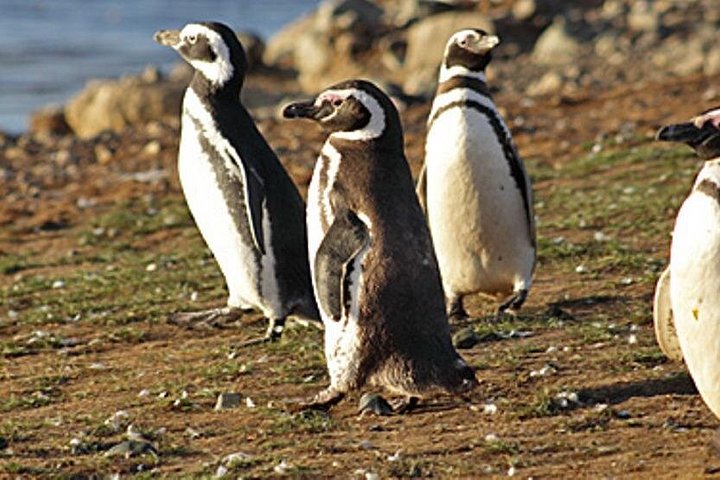
Ushuaia sits at nearly 55 degrees south, so its seasons are the mirror of the northern hemisphere and its daylight swings dramatically through the year. There is no bad time to go, but there is a best time for each kind of trip. The southern summer has the longest days and the widest choice of tours, the shoulder seasons are quieter and often beautiful, and winter turns the mountains white and opens snow activities. This guide states the seasons plainly so you can choose by what you want to do. Operators set their own dates each year, so check schedules when you book.
Summer, December to February
This is the high season. Days are very long, with daylight stretching to around seventeen hours at midsummer, and temperatures are mild by local standards, usually cool rather than warm, with wind a constant. Everything runs: Beagle Channel cruises, the penguin walk on Martillo Island, the national park, the End of the World Train, the lakes and the glacier hikes. It is also the most expensive and crowded time, so book hotels, the penguin walk and popular hikes well ahead. Antarctic cruise ships depart through the summer, and the town is busy with travellers heading south.
Spring and early summer, October and November
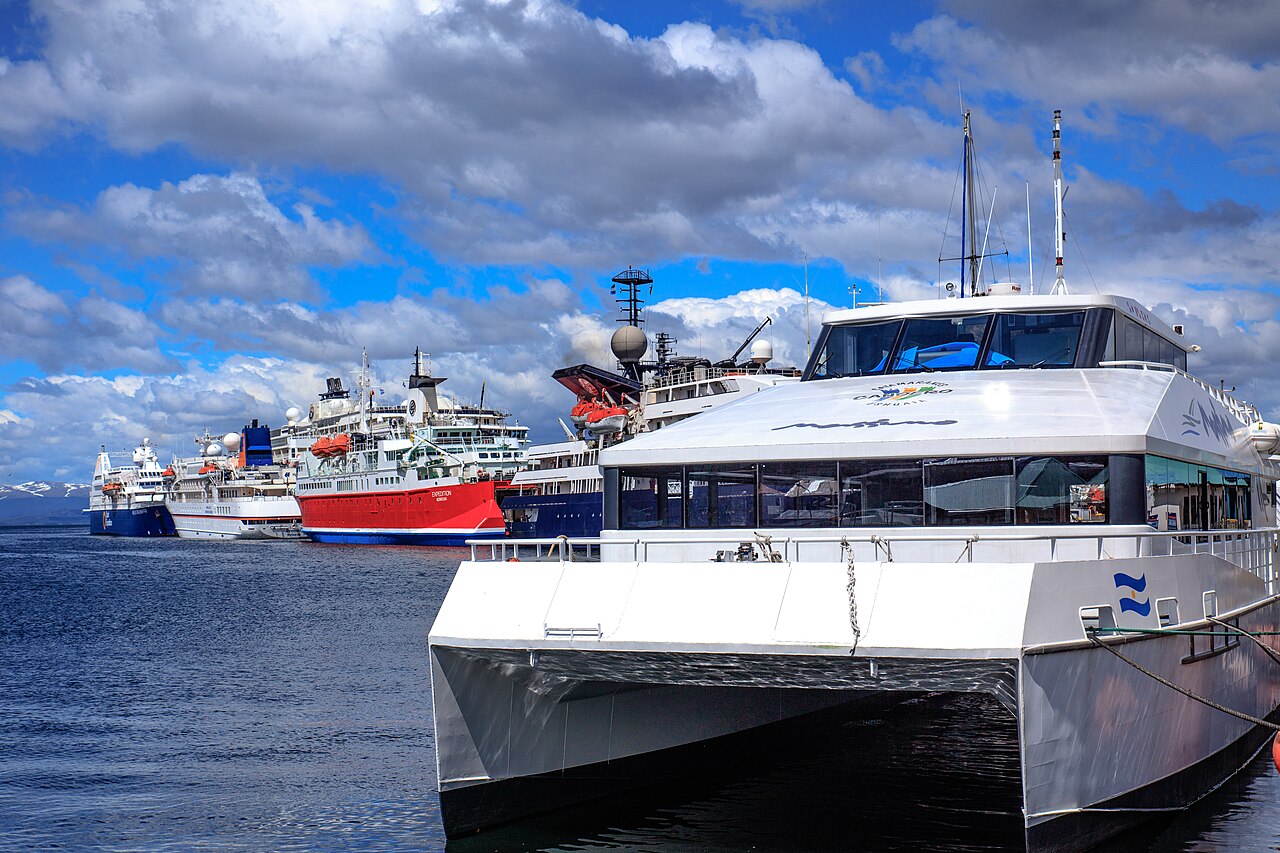
Spring is a strong choice for travellers who want long days and thinner crowds. Penguins return to the area around October to nest, so the colony season begins, and the Antarctic season opens in November, with ships leaving the pier from then until March. Weather is cool and changeable, with sun, wind and showers in one afternoon. Snow can linger on higher trails, so check conditions for glacier hikes. Prices and demand are lower than in midsummer, and rooms are easier to find.
Autumn, March to May
Autumn brings colour, as the lenga beech forests turn red and gold, and many photographers consider it the most beautiful time in the park. Days shorten and temperatures fall, and the penguins depart as the breeding season ends, usually by around the end of March or April. The Antarctic season finishes in March. Crowds thin out and prices ease, though some seasonal services reduce their schedules, so confirm before you travel. Layers matter, since a warm day can be followed by sleet.
Winter, June to September
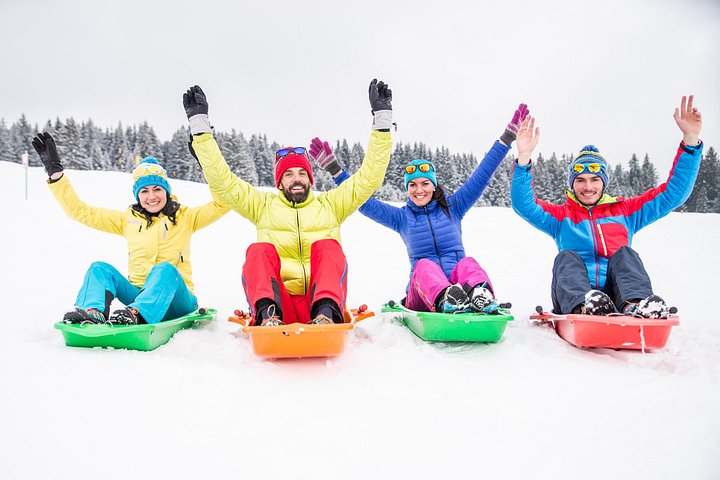
Winter is cold, with short days of only around seven hours of daylight at midwinter, but it is a real season with its own activities. Snow covers the mountains, and the Cerro Castor ski area, around 26 kilometres from town, typically runs from about June to October, depending on snow. Snowmobile and snowshoe days, husky and sled outings and winter 4x4 trips run when conditions allow. Boat trips continue, but penguins are largely absent, and some summer hikes change or are unavailable. Winter visitors enjoy low prices, quiet streets and warm hotels with spas, and roads can be icy, so allow extra time for transfers.
Wildlife by month
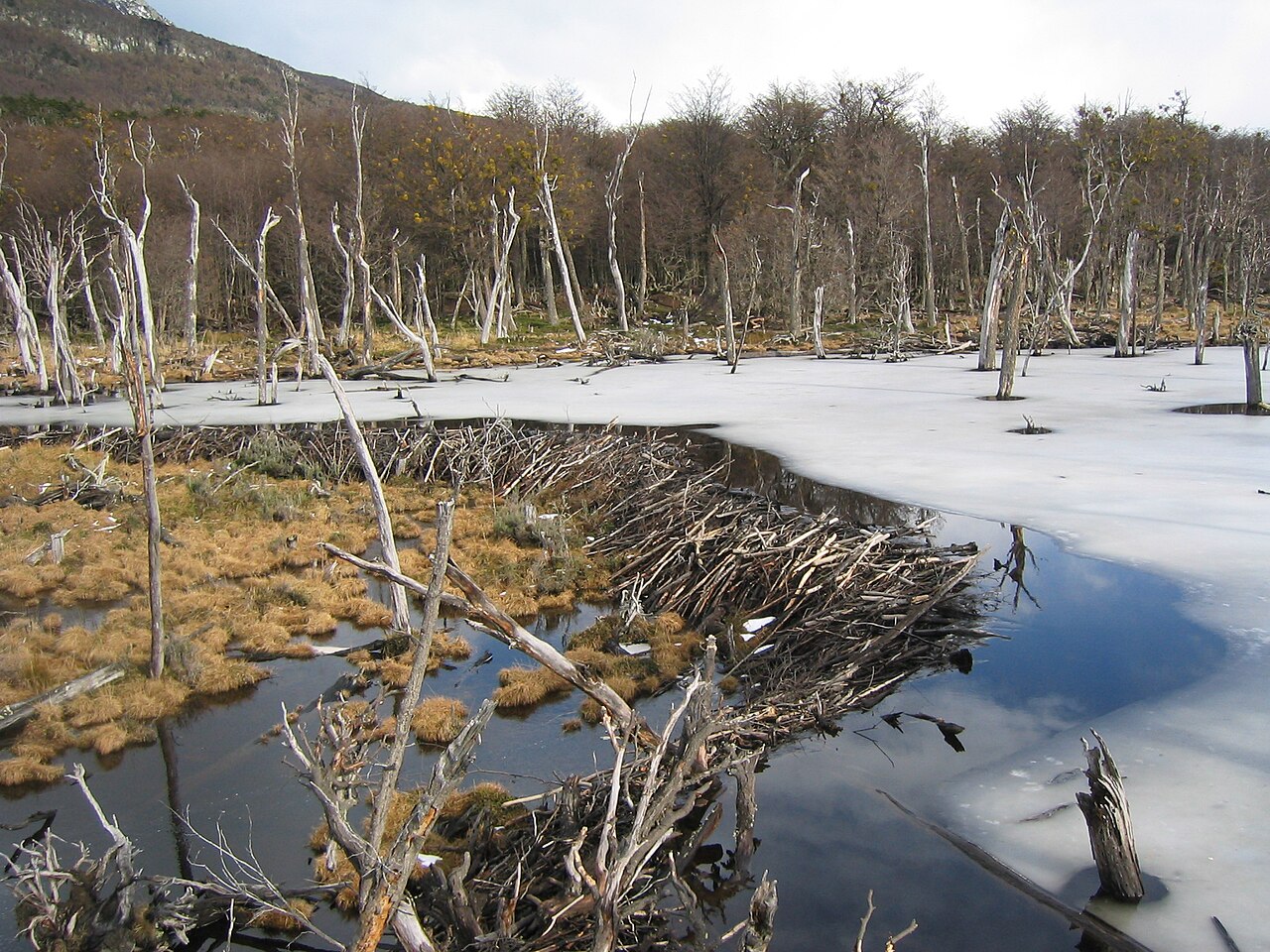
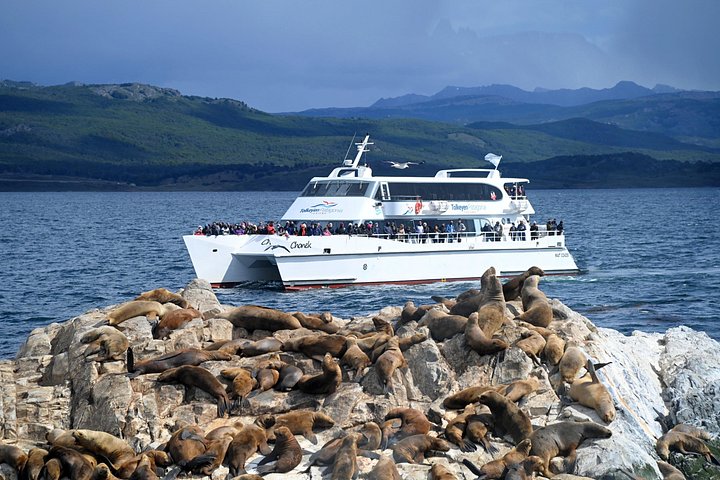
Sea lions and cormorants are on the channel islets for most of the year, so the lighthouse cruise works in any season. Penguins are the seasonal highlight, present from about October to March and absent in winter. Beavers and birds are active in the warmer months, and the Antarctic voyage season runs from November to March. If wildlife is your priority, aim for November to February.
Packing and daylight
Whatever the month, bring a windproof and waterproof shell, warm layers, a hat, gloves, sunglasses and sun cream, since the sun is strong at this latitude. Waterproof boots are essential, and in winter add thermal layers and warm socks. In summer, the late light means dinner can feel strangely early, and sunset arrives long after you would expect, so use the evening for walks. In winter, plan outdoor days for the middle of the day, when the light is best.
How to choose
For a first trip with the most options, pick November to February, with the extremes of midsummer being the busiest. For fewer crowds and still-long days, choose October, November or March. For colour and photography, go in April. For snow and skiing, go in July or August. Whichever season you pick, leave a spare day for weather, and stay somewhere with a good breakfast and a warm bar, because after a day outside, comfort is part of the experience.