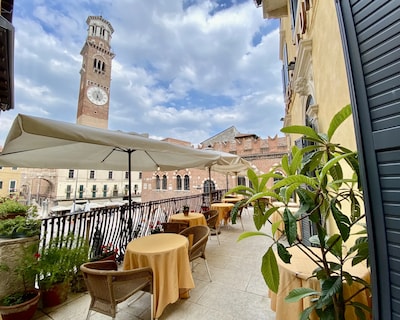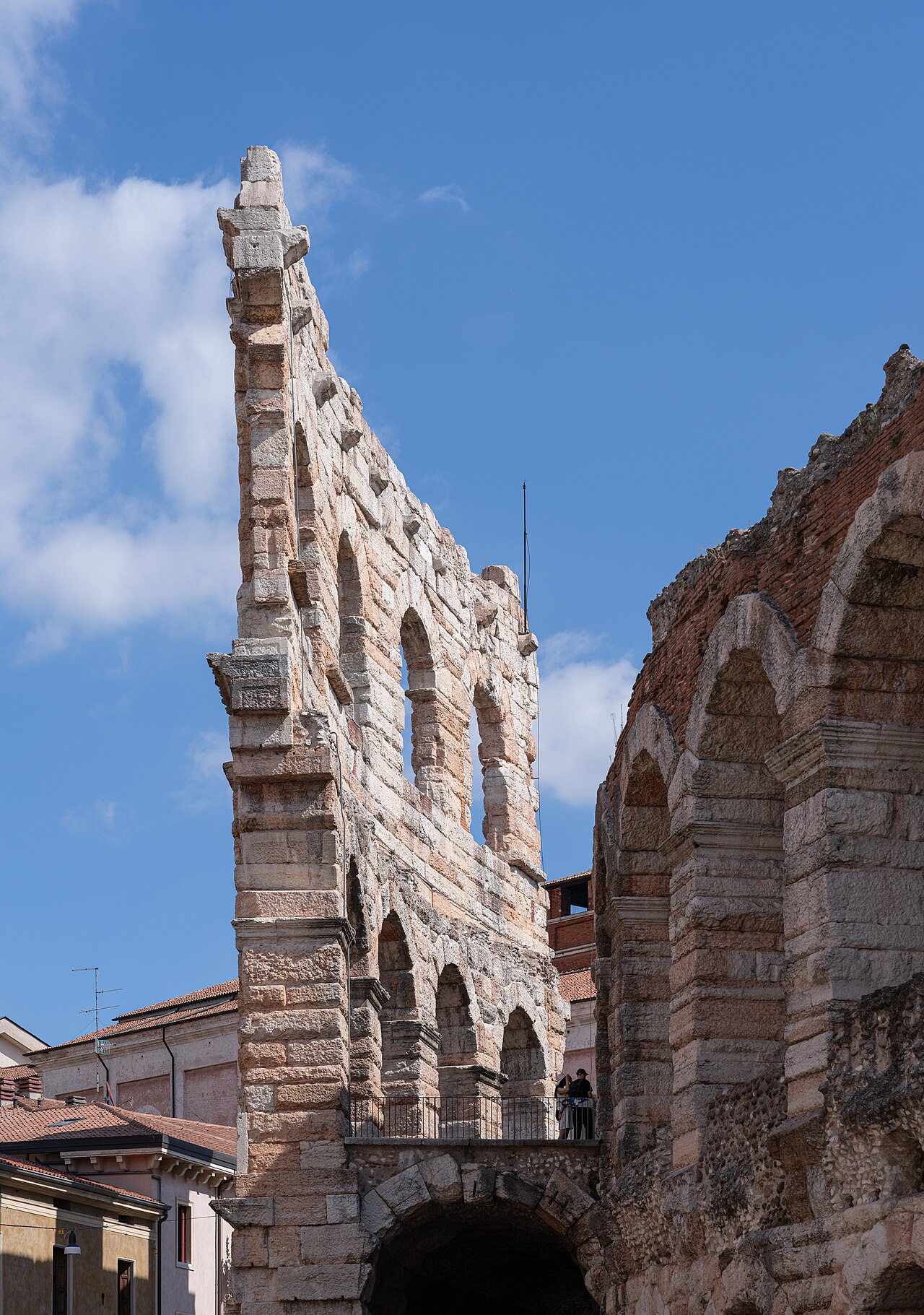
Verona is one of the easiest cities in Italy to enjoy. The historic centre sits inside a loop of the Adige river and is small enough to cross on foot in twenty minutes, yet it packs in a Roman amphitheatre, a Roman theatre, two of the most beautiful squares in the country, a medieval fortress and some of the best food and wine in the north. A little planning goes a long way, mainly because of Monday closures and the new booking rules at Juliet’s House.
How many days
Two full days is the right amount for a first visit, enough to see the headline sights at a comfortable pace and eat well. Add a third day for a trip out to Lake Garda or the Valpolicella vineyards, which turns a city break into a proper taste of the region. One day is possible if you are passing through between Venice and Milan, but you will be choosing between sights rather than enjoying them.
Mind the Mondays
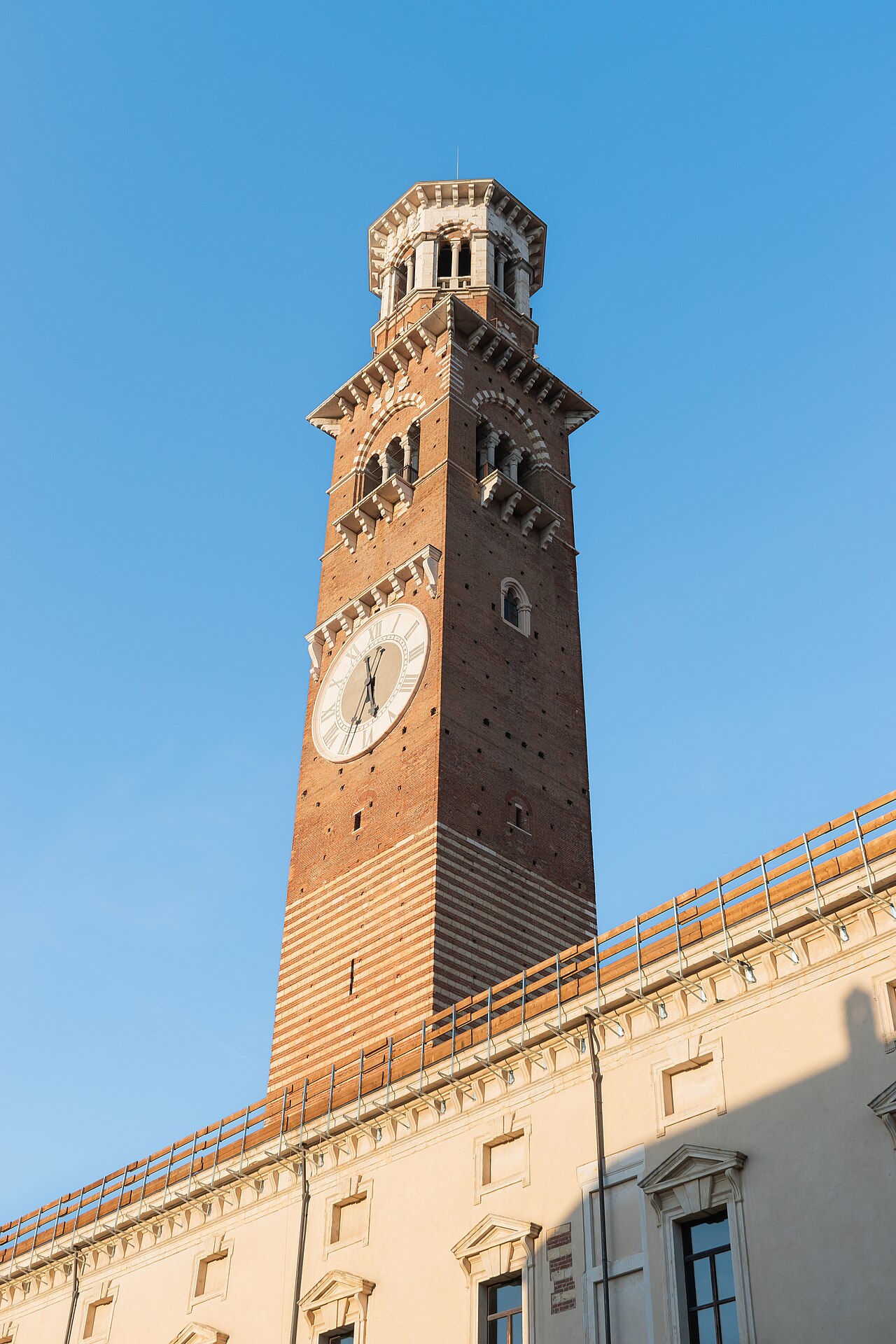
The Arena, Castelvecchio, the Roman Theatre and most civic museums close on Mondays, with a few exceptions such as Monday 7 December 2026. Juliet’s House opens on Monday afternoons, the Lamberti Tower is open every day and the squares are always free. If your trip includes a Monday, make it your day for the Sirmione and Lake Garda tour or a wine afternoon in Valpolicella.
What to book ahead
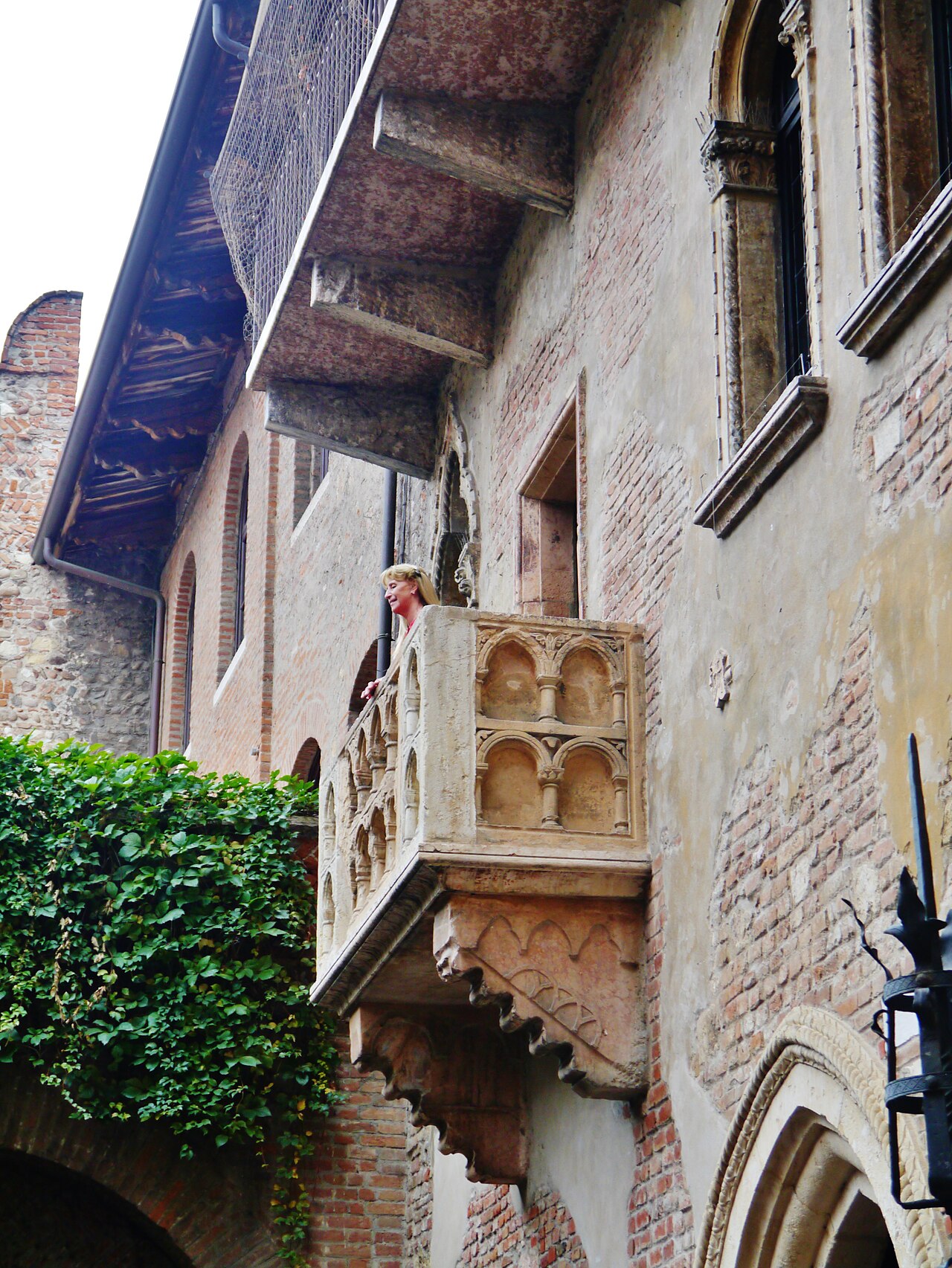
Juliet’s House is the one sight that truly needs planning. Since 1 April 2026 the courtyard and the house are reached only through Teatro Nuovo in Piazzetta Navona, the courtyard is ticketed, tickets are sold online only and every visitor must book a time slot, even with the VeronaCard. The fast-track Juliet’s House ticket with an audio guide is the easiest way to do it. The Arena is rarely sold out outside the summer, but a guided fast-track tour adds a great deal to a building with little on-site information. Book day trips and the food tour a day or two ahead, and in summer reserve opera tickets and hotels well in advance.
Is the VeronaCard worth it
For most first-time visitors, yes. The VeronaCard covers the Arena with priority entry, Juliet’s House, Castelvecchio, the Lamberti Tower, the Roman Theatre and Archaeological Museum, Juliet’s Tomb and the great churches, including San Zeno, and since September 2026 it also includes ATV city buses. Choose the 48-hour card, start it on a Tuesday to Saturday, and book your Juliet’s House slot as soon as you have it.
Getting there and around
Verona Porta Nuova station has fast trains to Venice, Milan and Bologna, and the airport is a short shuttle bus ride from the station. From Porta Nuova it is about 20 minutes on foot along Corso Porta Nuova to Piazza Bra, or a few minutes by bus or taxi. Once in the centre, walk: the old town is compact and much of it is pedestrian or a limited traffic zone, so do not drive in without checking with your hotel. Buses are useful for San Zeno and the station.
Where the headline sights fit
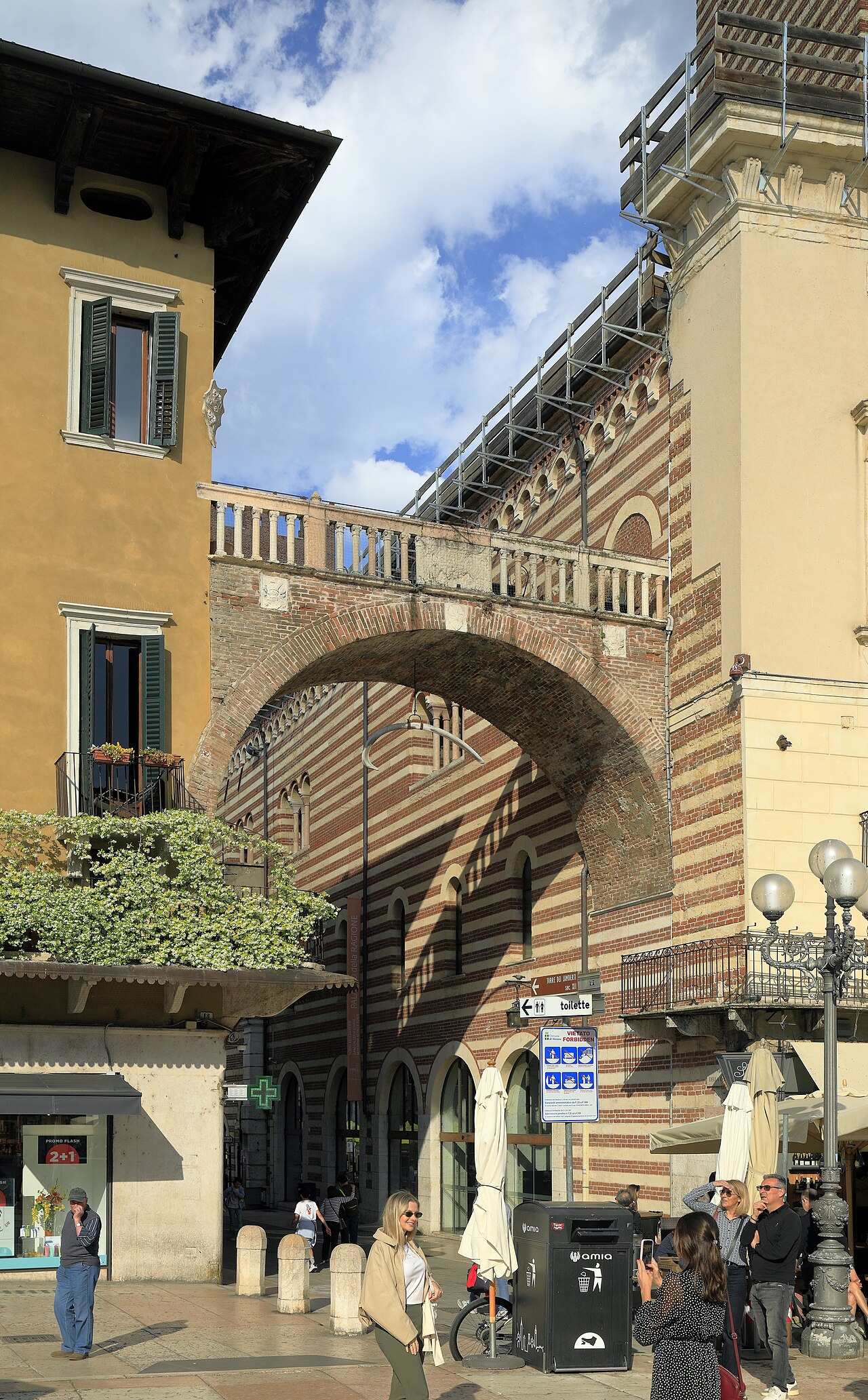
Day one: start at the Arena on Piazza Bra, walk up Via Mazzini to Piazza delle Erbe and Piazza dei Signori, climb the Lamberti Tower for the view and visit Juliet’s House in your booked slot, then take an aperitivo on Piazza delle Erbe. Day two: spend the morning at Castelvecchio and walk across the Scaliger Bridge, continue to the Basilica of San Zeno, then cross Ponte Pietra in the afternoon to the Roman Theatre and finish at Castel San Pietro for sunset. Day three: Lake Garda or Valpolicella.
Food and drink
Try risotto all’Amarone, bigoli pasta, polenta, Monte Veronese cheese and, in the run-up to Christmas, pandoro, which was born in Verona. The guided food tour is a fun way to learn what to order on your first afternoon, and the Amarone wine tour takes you to the cellars where the region’s great red is made.
When to go
Spring and early autumn are ideal, with mild weather and fewer crowds. Summer is hot and busy but brings the opera festival in the Arena. November to March is quiet and often foggy or cold, but sights are uncrowded and December brings Christmas markets to the centre.