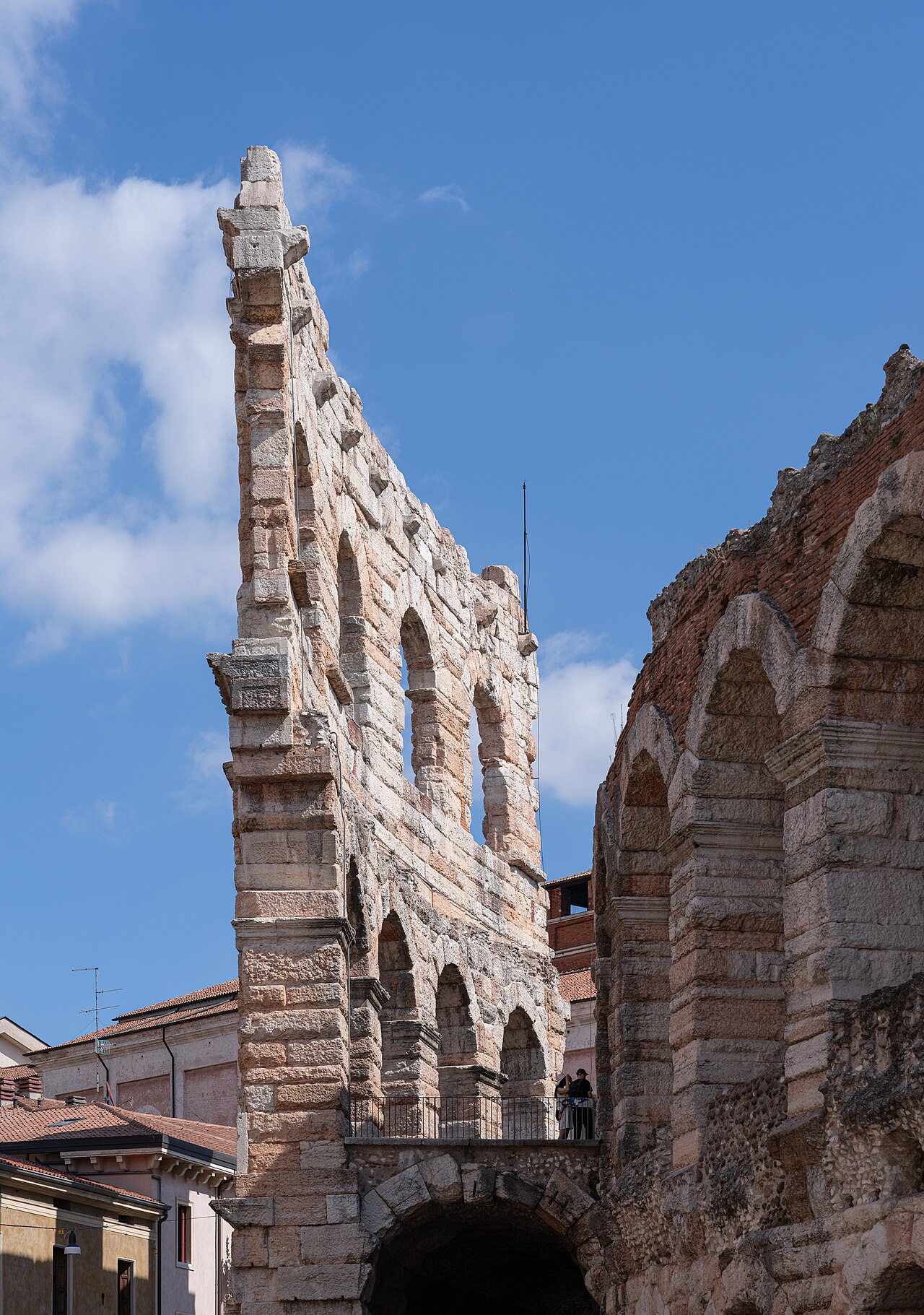
Arena di Verona
Verona’s first-century Roman amphitheatre, one of the best preserved in the world, still used for opera every summer and open to visitors from Tuesday to Sunday.
Italy
Verona is the most romantic stop between Venice and Milan, and far more than the city of Romeo and Juliet.
Its Roman Arena, built in the first century AD, still fills with opera every summer, and the Roman Theatre across the river looks back at the old town from the slopes of San Pietro hill. In between lies a compact medieval centre ruled for more than a century by the Della Scala family: Piazza delle Erbe with its market stalls and frescoed houses, the stately Piazza dei Signori, the Scaliger tombs, the 84-metre Lamberti Tower and the red-brick fortress of Castelvecchio with its bridge over the Adige. Then there is Juliet’s House and its famous balcony, the Romanesque masterpiece of San Zeno, and a food scene built on risotto all’Amarone, Monte Veronese cheese and pandoro, Verona’s Christmas cake. Valpolicella’s vineyards begin on the edge of town and Lake Garda is under an hour away. This guide tells you which tickets to book ahead, how Juliet’s House works since its 2026 changes, what the VeronaCard covers and where to stay in the old town.
Arena di Verona
Verona’s first-century Roman amphitheatre, one of the best preserved in the world, still used for opera every summer and open to visitors from Tuesday to Sunday.
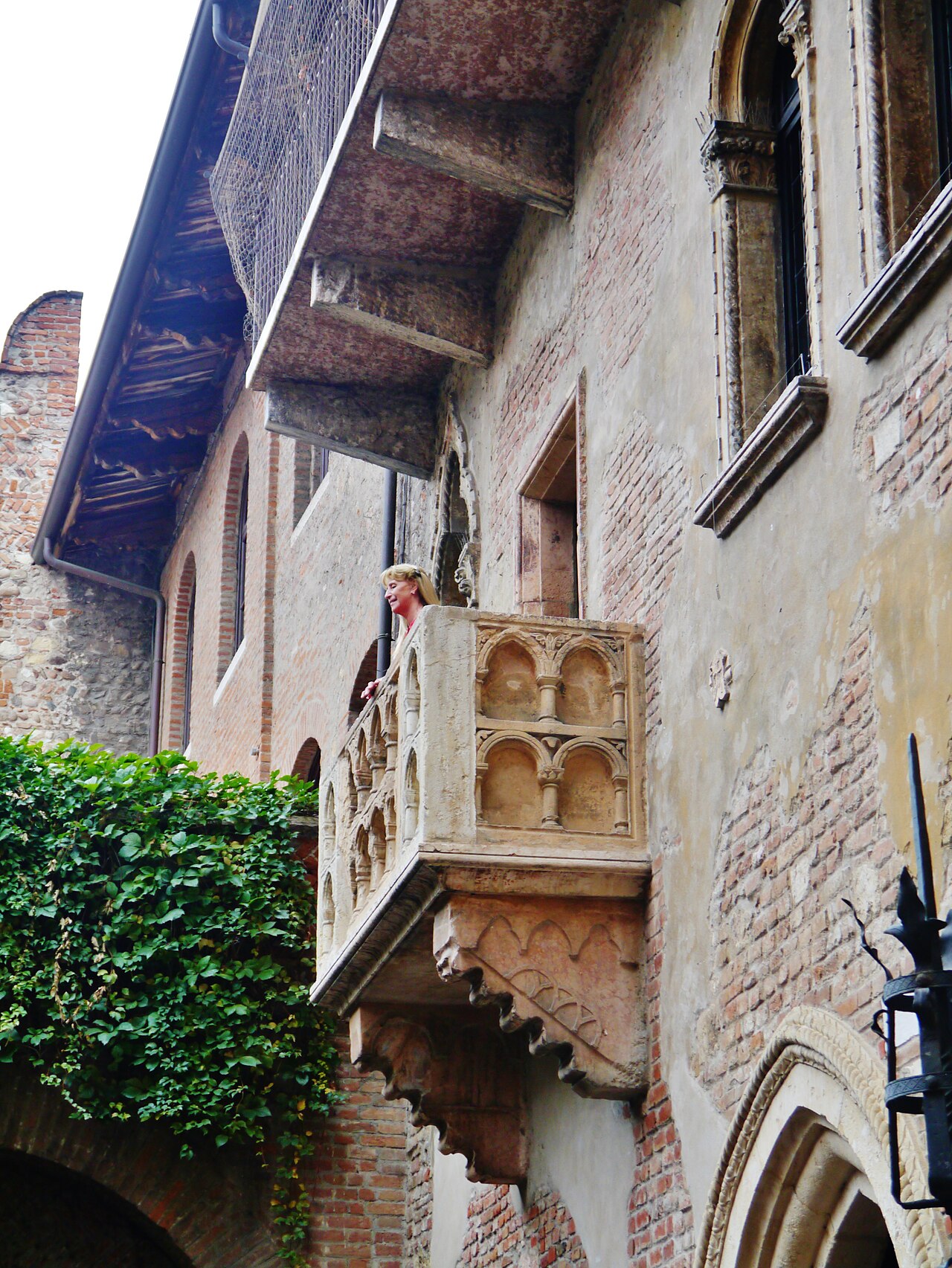
Juliet’s House (Casa di Giulietta)
The medieval house with the most famous balcony in literature, a bronze Juliet in the courtyard and rooms of frescoes and costumes, now reached through Teatro Nuovo with timed tickets.
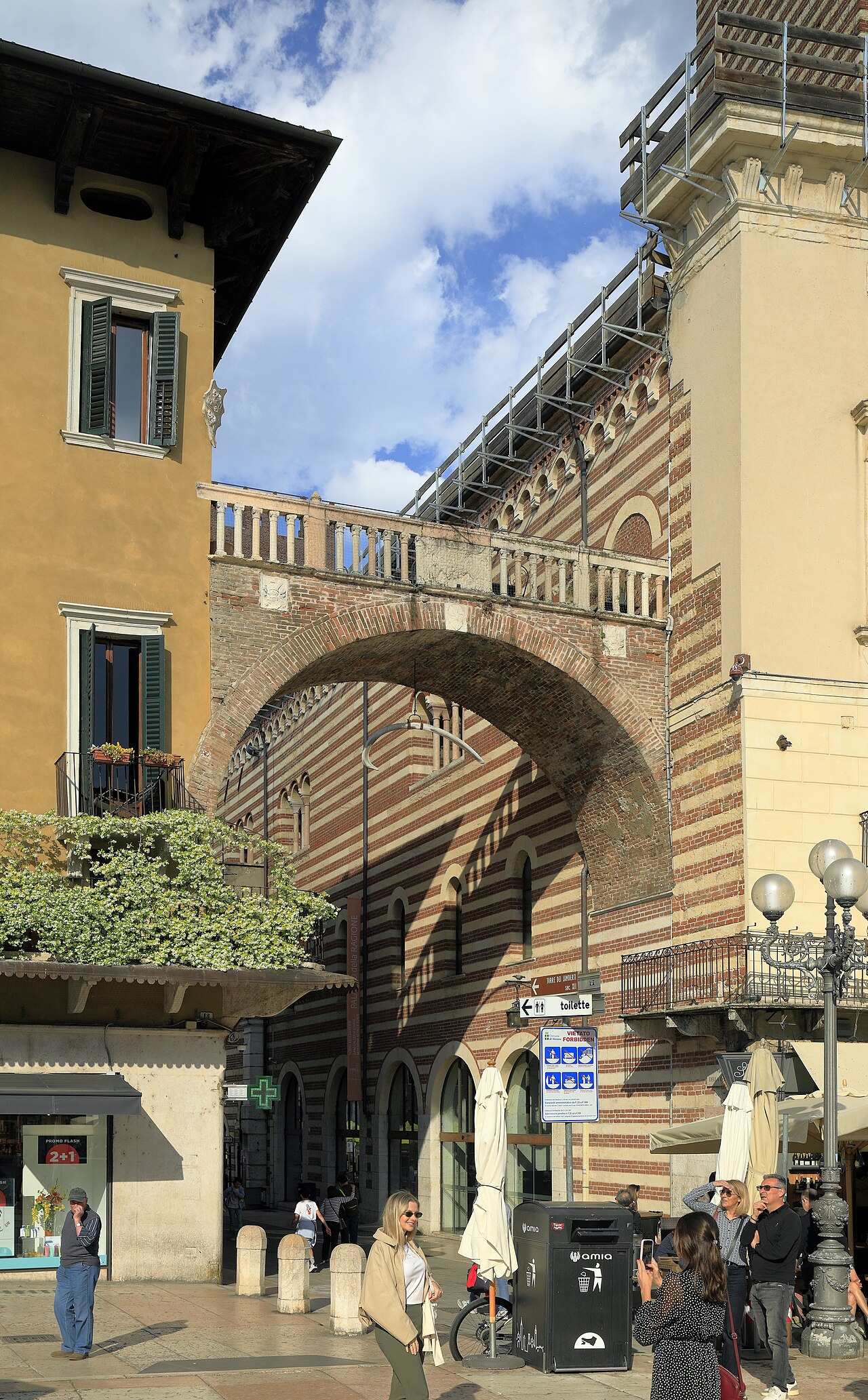
Piazza delle Erbe and Piazza dei Signori
Verona’s two great medieval squares, side by side: the lively market square with its frescoed houses and Madonna Verona statue, and the stately Scaliger square with Dante at its centre.
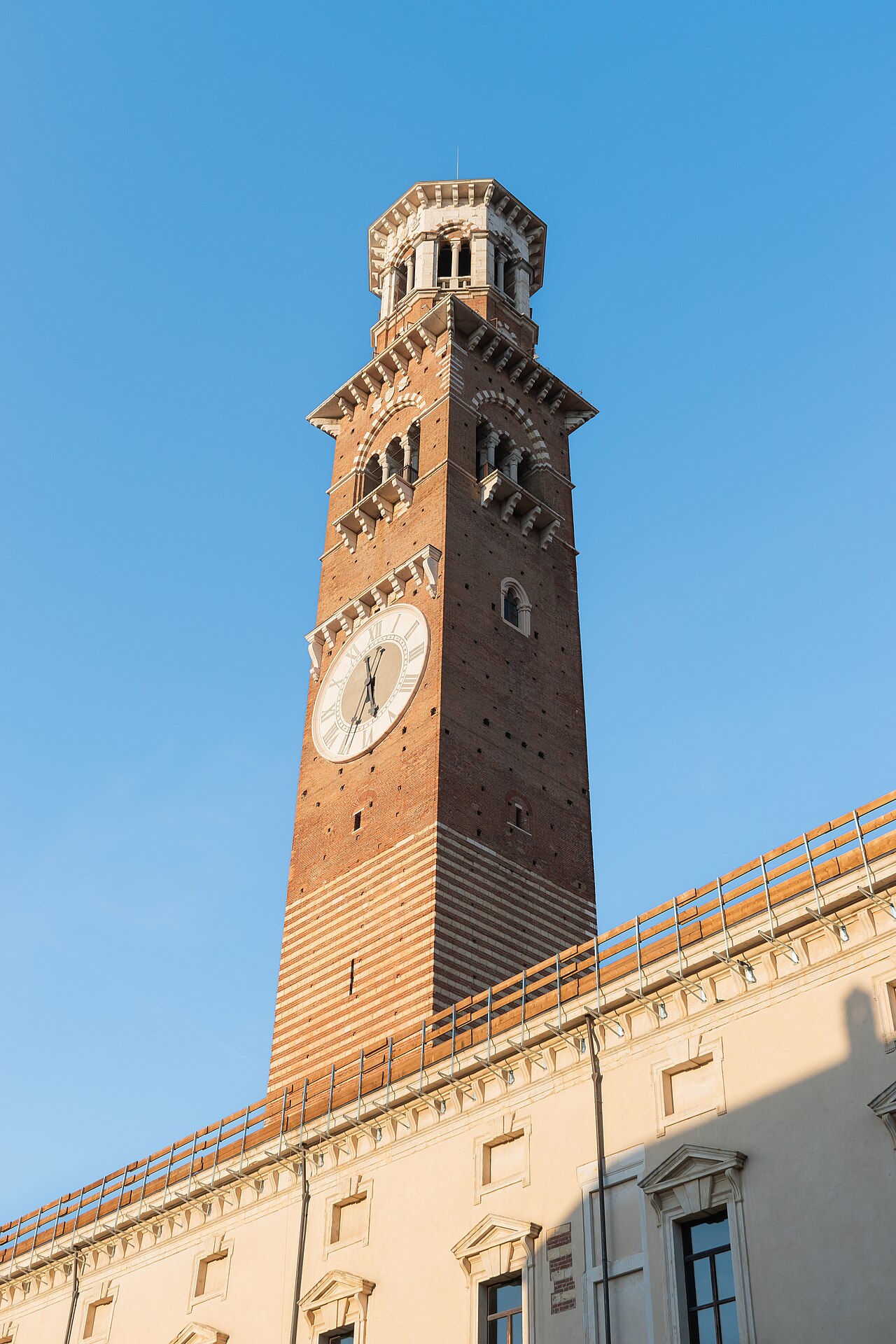
Torre dei Lamberti (Lamberti Tower)
The 84-metre medieval tower above Piazza delle Erbe, climbed by 368 steps or a small lift, with the best panoramic view over Verona’s rooftops, the river and the Arena.
Verona’s first-century Roman amphitheatre, one of the best preserved in the world, still used for opera every summer and open to visitors from Tuesday to Sunday.
The medieval house with the most famous balcony in literature, a bronze Juliet in the courtyard and rooms of frescoes and costumes, now reached through Teatro Nuovo with timed tickets.
A guided day out from Verona to Sirmione on Lake Garda, with a boat ride around the peninsula, a walk through the old town and a ferry to the lakeside village of Lazise.
An afternoon in the Valpolicella hills just north of Verona, visiting two family wineries and tasting Amarone, the famous red made from dried grapes, in a group of no more than eight.
A two-hour tasting walk through the old town with cured meats, local cheeses, Valpolicella wines, olive oil and a slice of pandoro from a family bakery, in a group of no more than ten.
Verona’s official 24 or 48-hour city pass, with free entry to the Arena, Juliet’s House, Castelvecchio, the Lamberti Tower, the Roman Theatre and the main churches, plus city buses.
FreeVerona’s two great medieval squares, side by side: the lively market square with its frescoed houses and Madonna Verona statue, and the stately Scaliger square with Dante at its centre.
The 84-metre medieval tower above Piazza delle Erbe, climbed by 368 steps or a small lift, with the best panoramic view over Verona’s rooftops, the river and the Arena.
The red-brick fortress of the Della Scala lords on the Adige, home to Verona’s finest art museum in a celebrated Carlo Scarpa design, with its battlemented bridge across the river.
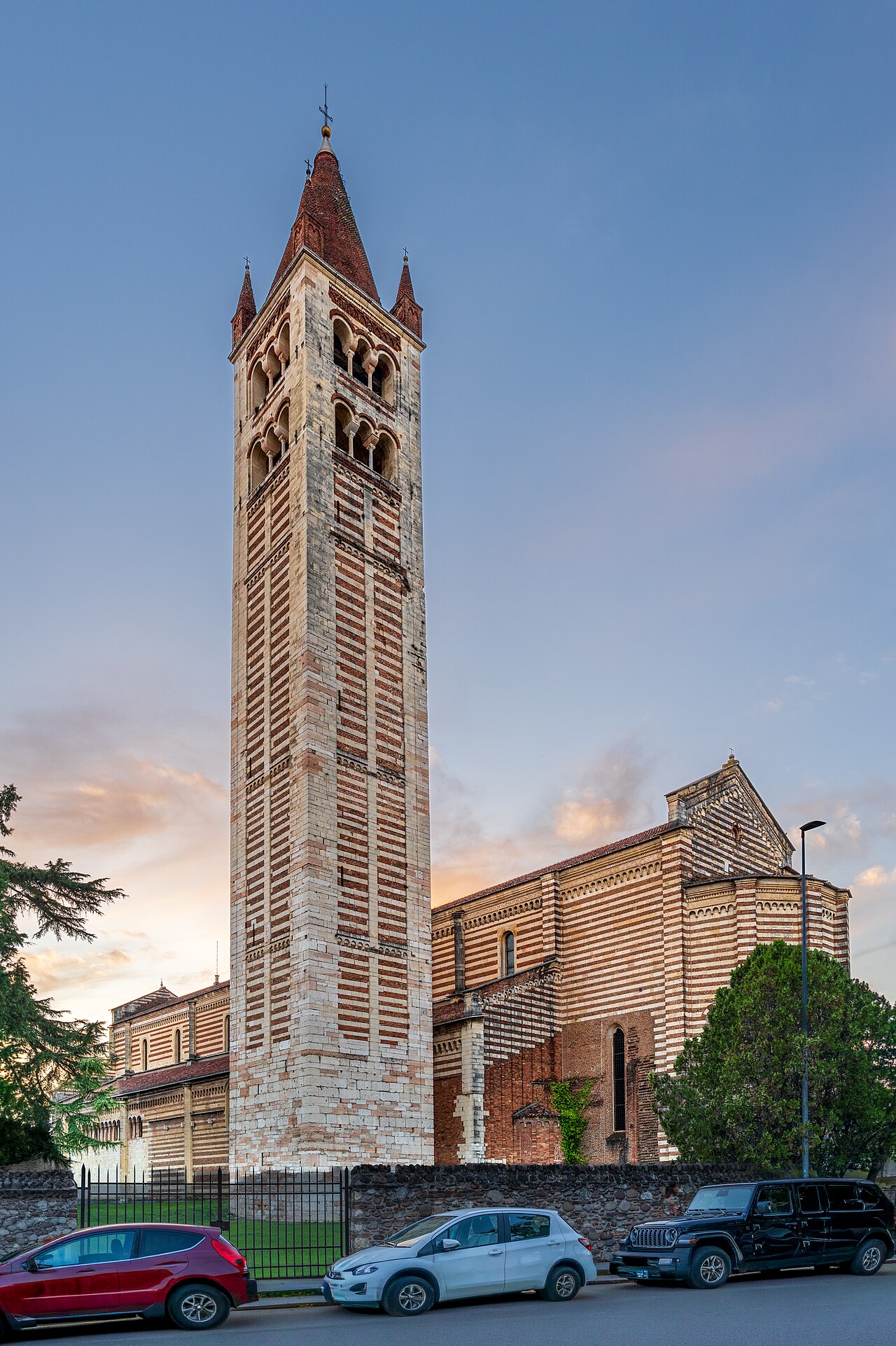
One of the finest Romanesque churches in Italy, dedicated to Verona’s patron saint, with bronze door panels, a rose window, a Mantegna altarpiece and a crypt where legend sets Romeo and Juliet’s wedding.
An Augustan theatre built into the hillside across the river, with a museum in a former convent above it and a terrace looking back over the rooftops of Verona.
Hotels we would book ourselves, from splurges to good-value bases.
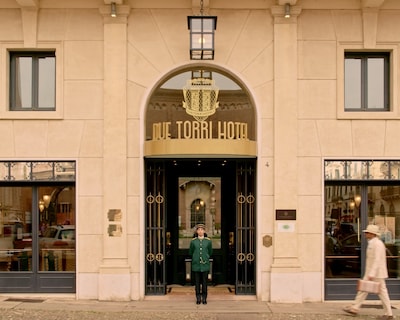 $$$$
Sant’Anastasia, Old Town
Verona’s grand five-star hotel in a fourteenth-century residence on Piazza Sant’Anastasia, where Mozart stayed in 1777, with frescoed breakfast rooms and a rooftop restaurant.
Rates on Expedia →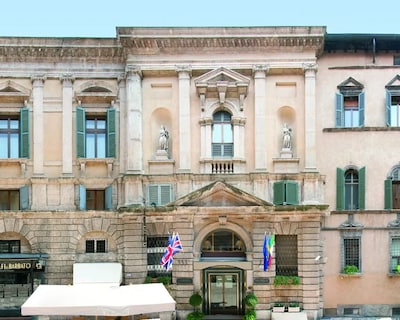 $$$
Via Mazzini, Old Town
A four-star superior hotel in an eighteenth-century building just off Via Mazzini, 100 metres from Juliet’s House, with a fitness room, a panoramic terrace and a private garage.
Rates on Expedia →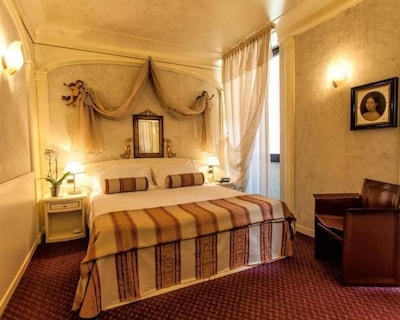 $$$
Piazza Bra and the Arena
A historic four-star hotel in a palazzo on a quiet side street two minutes from the Arena, a long-time favourite of opera-goers, with a breakfast room, bar and bikes to rent.
Rates on Expedia →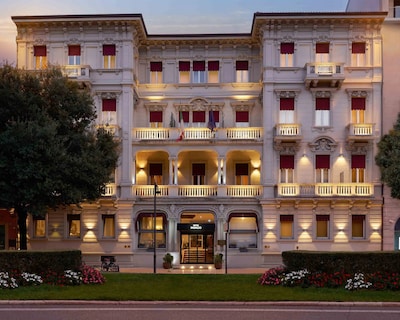 $$$
Corso Porta Nuova
A boutique IHG hotel in a 1920s palazzo on Corso Porta Nuova, between the station and the Arena, with an inner garden, the Arya cocktail bar and a pet-friendly policy.
Rates on Expedia →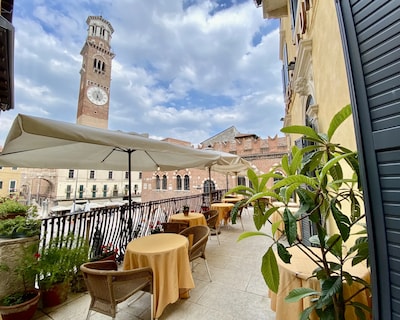 $$
Piazza delle Erbe, Old Town
A family-run three-star right on Piazza delle Erbe, with a terrace overlooking the square and rooms with marble bathrooms, the best-value way to sleep in the very heart of Verona.
Rates on Expedia →A practical primer for a first visit to Verona: what to book ahead, the 2026 rules for Juliet’s House, whether the VeronaCard is worth it, getting around and how many days you need.
Where to stay in Verona: the old town around Piazza delle Erbe, the streets around the Arena and Piazza Bra, and Corso Porta Nuova near the station, with our five hotel picks.