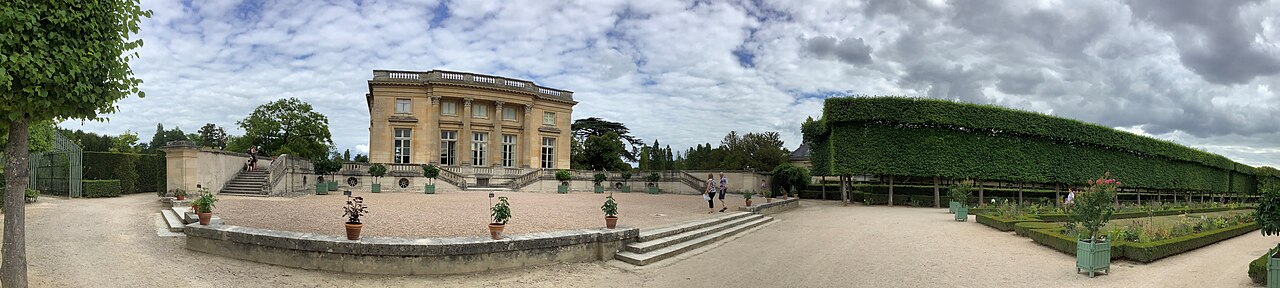
At the northwest edge of the gardens, a walk or short ride from the palace, lies the Estate of Trianon, where the royal family retreated from the formality of court. The Grand Trianon was built for Louis XIV in 1687 as a place to escape, a low palace of pink marble with a colonnaded peristyle that has housed kings and later hosted heads of state. The Petit Trianon, designed for Louis XV and given by Louis XVI to Marie-Antoinette in 1774, is a neoclassical gem, small enough to feel like a home. Beyond it, the Queen's Hamlet is a cluster of thatched cottages, a farm and a pond built from 1783, where the queen played at rural life. The estate is calmer than the palace, with gardens, a Temple of Love and quiet lanes, so it makes a good second half of the day. In low season, from November to March, it opens at 12:00 and closes at 17:30, with last entry in the late afternoon. It is closed on Mondays.
Why it is worth it
If the palace is about power, the Trianon is about private life. The Grand Trianon shows how the Sun King liked to retire, with airy rooms opening onto garden walks and the long colonnade. The Petit Trianon is intimate and refined, a house for a queen who wanted to escape the rules of the court. The Hamlet, with its mill, dairy and thatched roofs, is part theatre set and part working farm, and it explains much of Marie-Antoinette's reputation, deserved or not.
How to visit
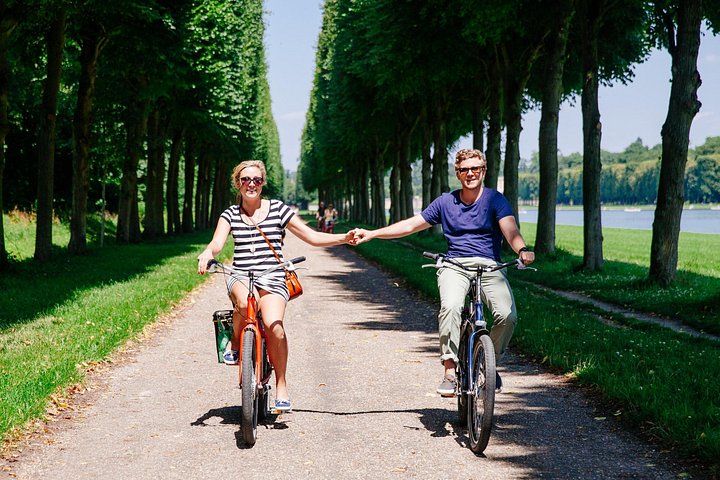
The estate is a good half-day, and you can walk from the palace in about twenty-five minutes, take a bike or the seasonal shuttle, or join a bike or golf-cart tour. Because it opens at midday in low season, the usual plan is palace in the morning, lunch, then Trianon in the afternoon. A Passport ticket covers the Trianon on top of the palace, and an Estate of Trianon ticket is a modest standalone option. Allow at least an hour and a half, and more if you walk the Hamlet's paths.
Know before you go
The estate is closed on Mondays, 25 December and 1 January. In winter, paths can be muddy and some outdoor areas quieter, so wear waterproof shoes. Exhibitions and rooms rotate, so check the booking page for the current programme. Last entry in the afternoon is earlier than closing, so do not arrive in the final hour and expect to see everything.
What to expect
The experience
A self-guided visit to the Grand Trianon, the Petit Trianon and the Queen's Hamlet, set among gardens, paths and a lake at the edge of the royal park.
Best time
Early afternoon in low season, since the estate opens at 12:00, or late morning in summer when it opens earlier.
How long
Two hours is comfortable; allow longer if you walk the Hamlet and the gardens slowly.
Tips
Remember it is closed Mondays, wear waterproof shoes, and choose the Passport if you also want the palace.
Quick picks
- Best for
- Visitors who have seen the palace and want the calmer, more personal side of royal Versailles.
- Families
- The Hamlet's farm buildings and ponds suit children, who often prefer them to the formal palace rooms.
- Couples
- Walk the quiet paths around the Petit Trianon and the Temple of Love in the late afternoon.
- Pair with
- The palace in the morning and the Grand Canal on the way back.
- Time needed
- Two hours for the three sites, with extra time for the walk from the palace.
Good questions
What is the Estate of Trianon?+
It is the Grand Trianon, the Petit Trianon and the Queen's Hamlet, set at the edge of the gardens. It was the royal family's retreat from court life.
What are the Trianon opening hours in November?+
In low season the estate opens at 12:00 and closes at 17:30, with last entry in the late afternoon. It is closed on Mondays, 25 December and 1 January.
How do I get from the palace to the Trianon?+
You can walk in about twenty-five minutes, rent a bike, or join a bike or golf-cart tour. A seasonal shuttle also runs in busier months.
Do I need a Passport for the Trianon?+
The Passport covers the palace, Trianon and the gardens on show days, and a separate Estate of Trianon ticket exists if you only want the estate. Choose by how many sights you plan to see.
Who was Marie-Antoinette's Hamlet built for?+
It was built from 1783 for Marie-Antoinette as a rural retreat, with thatched cottages, a mill, a dairy and a farm. It remains one of the most photographed corners of the estate.