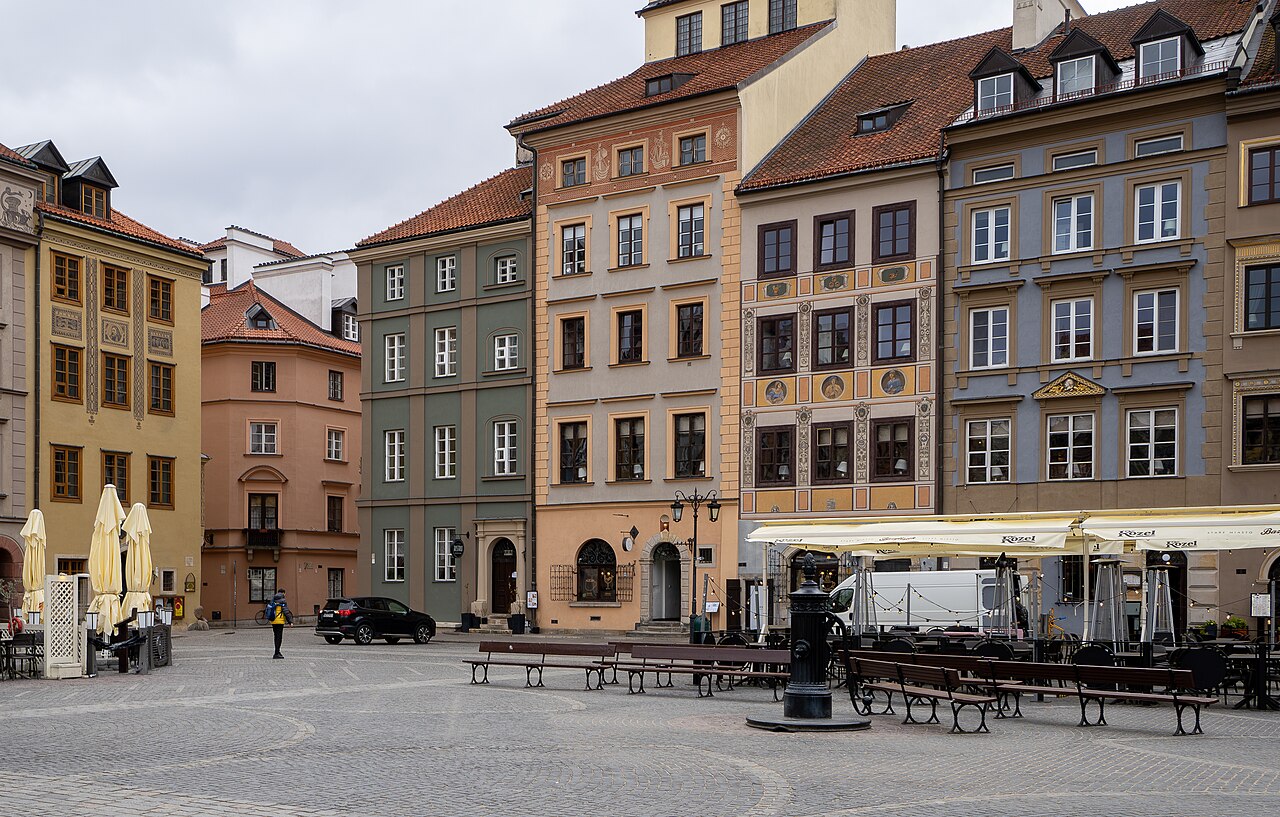
Warsaw surprises almost everyone. Visitors expect grey concrete and find a rebuilt Old Town of painted houses, royal palaces set in gardens, some of the best history museums in Europe, a buzzing food and bar scene and a skyline of new towers. It is also a city whose story is the key to everything you see: destroyed in 1944, rebuilt by its people, and reinvented again since 1989. A little planning goes a long way, because several of the headline sights run on timed tickets and many museums close on a Monday or a Tuesday.
What to book ahead
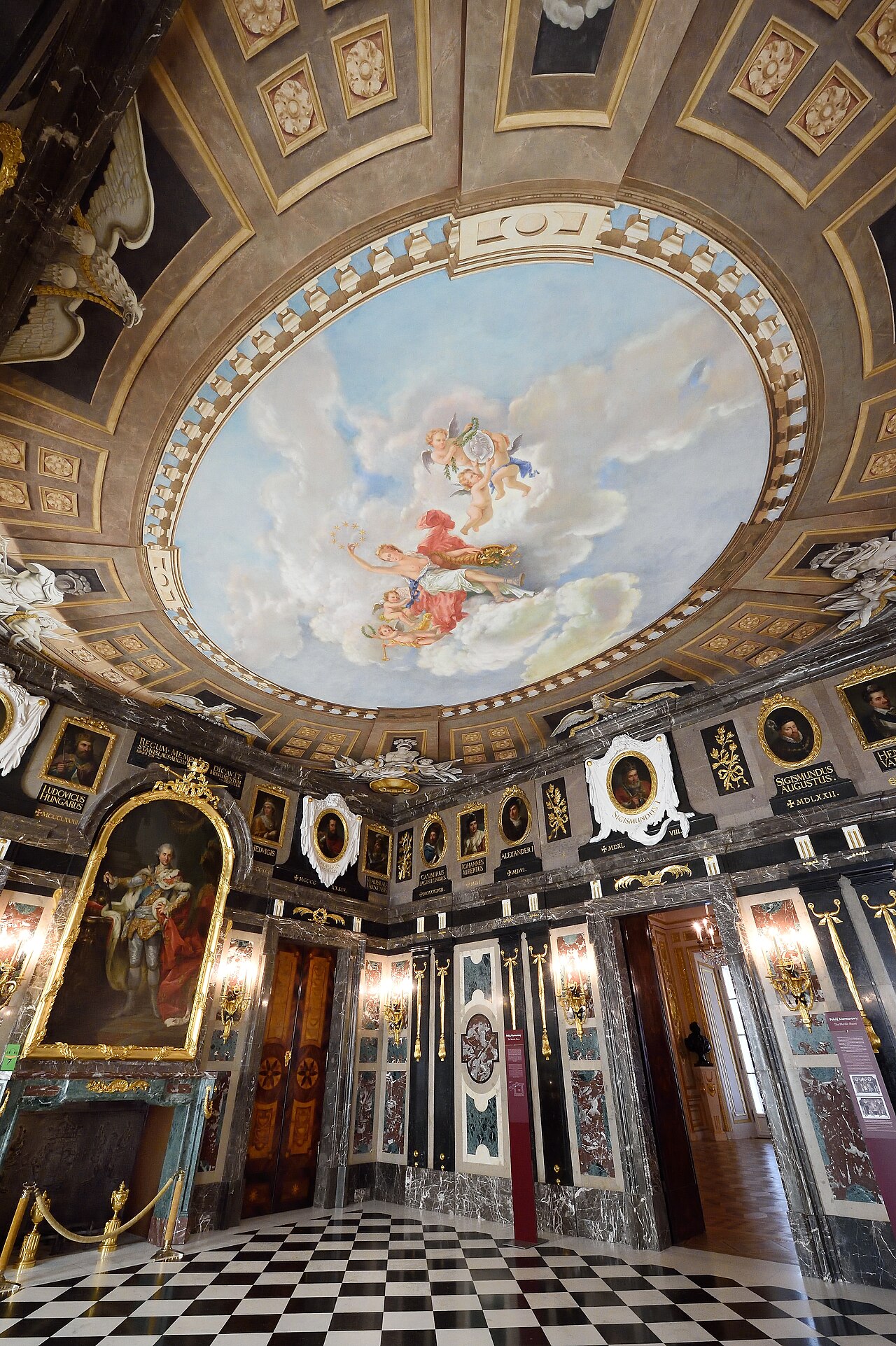
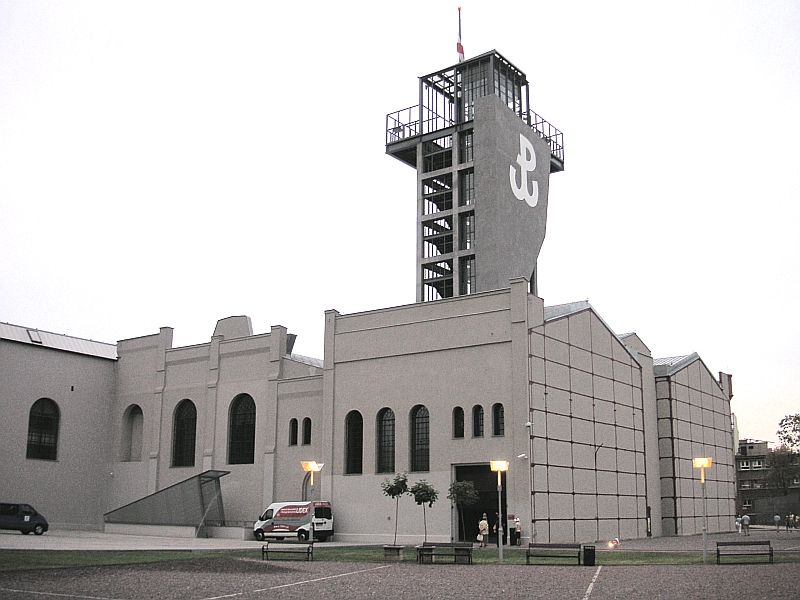
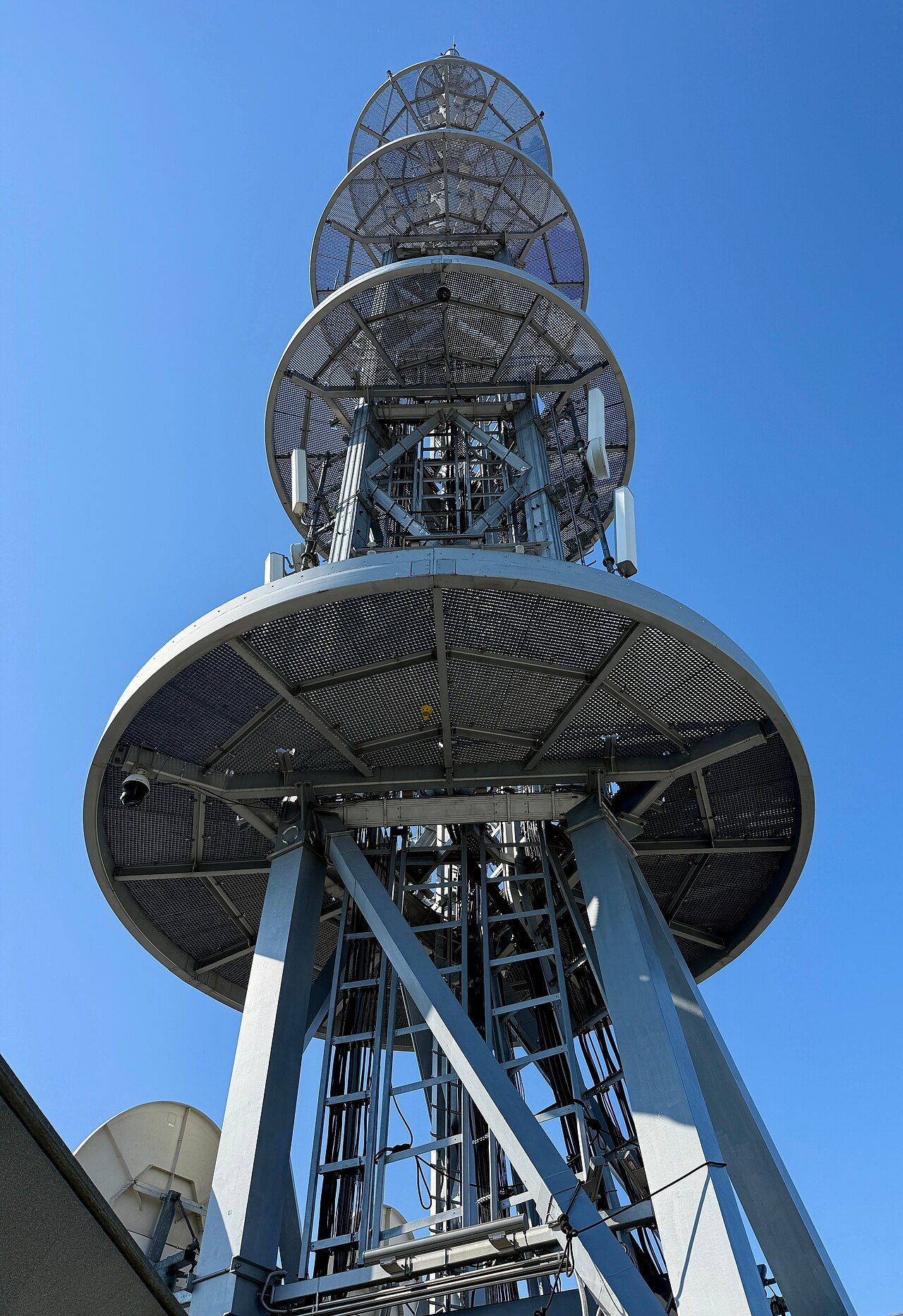
Book Highline Warsaw at Varso Tower for a sunset slot, as prices and availability vary by time. Reserve a guided tour of the Royal Castle if you want to understand what was lost and rebuilt, and an entry ticket with audio guide for POLIN Museum if you are visiting at a weekend. Evening Chopin concerts on Castle Square have small audiences and fill up, and the Polish Vodka Museum runs English tours at set times. The Warsaw Rising Museum sells tickets online too, which saves queuing at busy times. The Old Town, Royal Łazienki park and the Palace courtyard at Wilanów are free and need no booking at all.
Watch the closing days
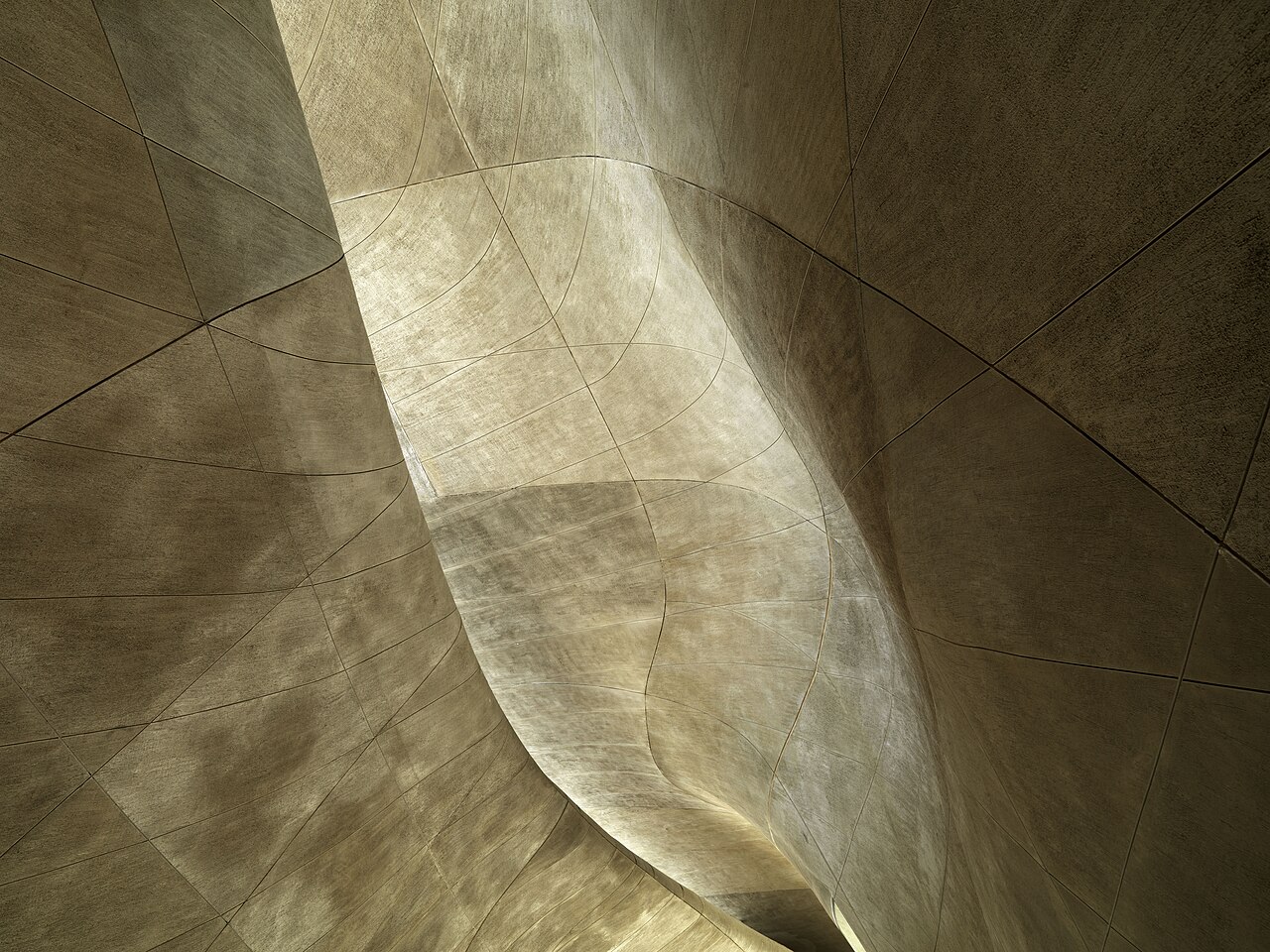
This catches many first-timers out. The Royal Castle is closed on Mondays. The Warsaw Rising Museum, POLIN Museum and Wilanów Palace are all closed on Tuesdays. The Łazienki palaces are closed on Mondays, though the park is open every day. Plan Monday for the Rising Museum, POLIN and the viewpoints, and Tuesday for the Royal Castle and the Old Town. Some sights offer free days: the Rising Museum on Thursdays, a shorter Royal Castle route on Wednesdays, and the Łazienki palaces on Fridays.
Arriving and getting around
Warsaw Chopin Airport is close to the city, and suburban trains run to Śródmieście and Centralna stations in the centre in under half an hour; taxis and ride-hailing are inexpensive too. In the city, a single public transport ticket covers the two metro lines, trams and buses, and you can buy it from machines at stops and on board, or with a contactless card. The historic core is walkable: from the Palace of Culture down Nowy Świat and Krakowskie Przedmieście to the Old Town is a lovely half-hour stroll along the Royal Route. Use trams or the metro for the Rising Museum and POLIN, a bus or taxi for Łazienki and Wilanów, and a tram across the river to Praga.
How many days
Three full days is the sweet spot. Spend the first on the Old Town and the Royal Castle, with a Chopin recital in the evening. Give the second to history: the Warsaw Rising Museum in the morning and POLIN in the afternoon, or split them across two days if you find them heavy. Use the third for the Royal Route south: Royal Łazienki and Wilanów Palace, ending with a sunset at Highline Warsaw or the Palace of Culture terrace. A fourth day lets you explore Praga, with the Vodka Museum in the Koneser centre, and slow the pace.
Where the headline sights fit
Visit the Rising Museum early in your trip; it explains why the Old Town and the Royal Castle had to be rebuilt and makes everything else more meaningful. Pair the two viewpoints with the city centre, since the Palace of Culture and Varso Tower stand almost side by side by the main station. Keep Wilanów for a morning, as its palace closes mid-afternoon in winter, and remember that it shuts for its winter break from 21 December to 31 January.
When to go and late-2026 notes
Late spring and early autumn are the most comfortable seasons. November is cold and dark by late afternoon, but museums are quiet, and from late November the Old Town fills with a Christmas market and lights. 11 November is Poland's Independence Day, with parades and some changed opening hours. Summer brings free Chopin recitals in Łazienki on Sundays, which do not run in winter.
Money and manners
Poland uses the złoty, not the euro. Cards and contactless payments are accepted almost everywhere. Tipping about ten percent in restaurants is normal. Dress respectfully in churches, and remember the Vodka Museum is strictly eighteen and over.