Whistler has a reputation as an expensive resort, and lift tickets, hotels and dinners do add up. But the valley is full of free and low-cost things to do, and a smart plan can cut the cost of a trip a long way without losing the best of it. This guide covers the free sights, the cheaper places to sleep and eat, and the few paid experiences that justify their price.
Free things in the village
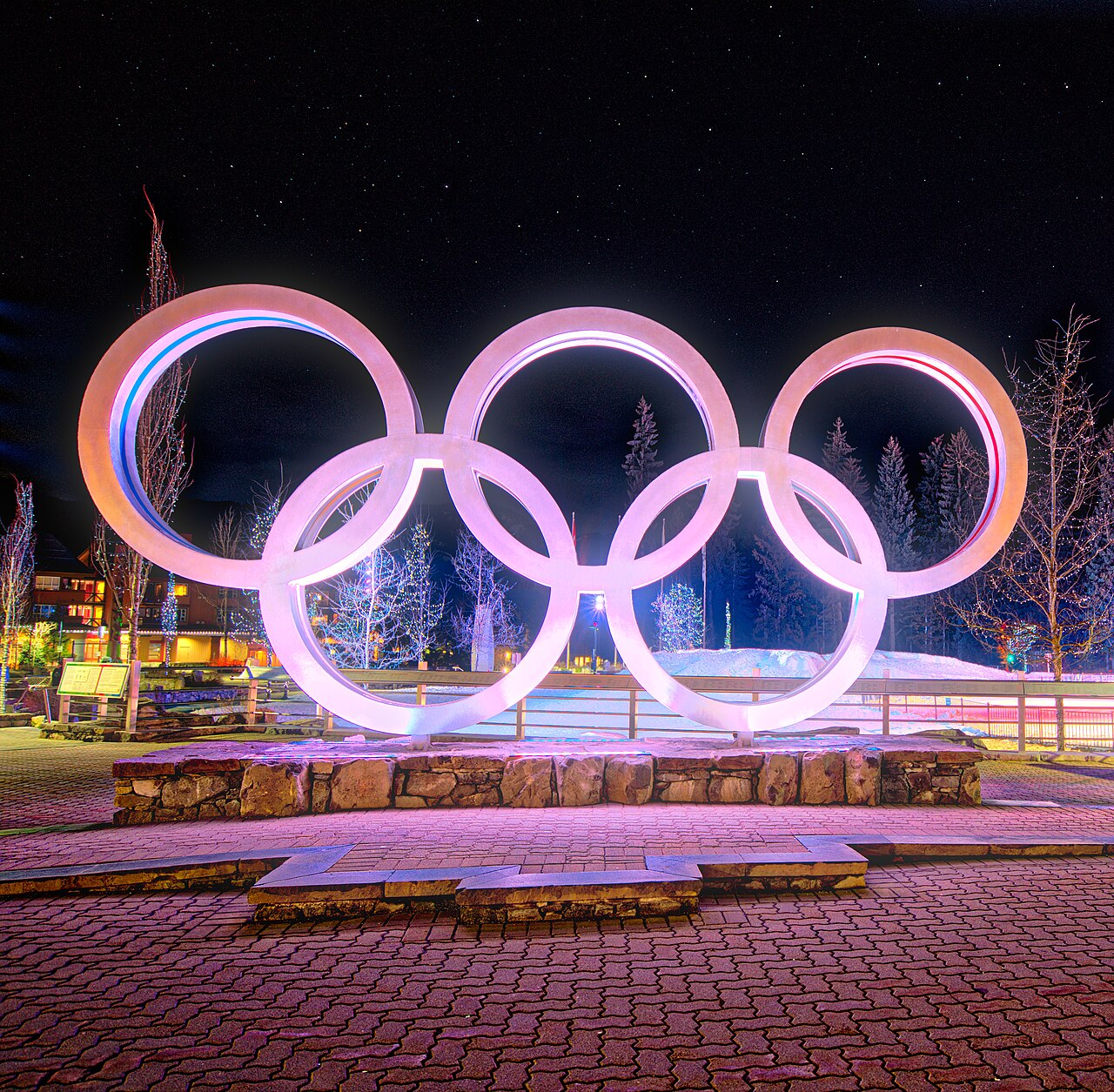
Olympic Plaza and the Olympic Rings are the obvious first stop and cost nothing, and the car-free village stroll is a pleasure in any season, with lights in winter and a lively crowd in summer. The Whistler Train Wreck Trail is another free favourite, a short forest walk to boxcars from a 1956 derailment that have become a public art space, with a suspension bridge over the Cheakamus River. Allow one to two hours, wear shoes with grip in winter and watch for the nearby rail line.
Free and low-cost walks
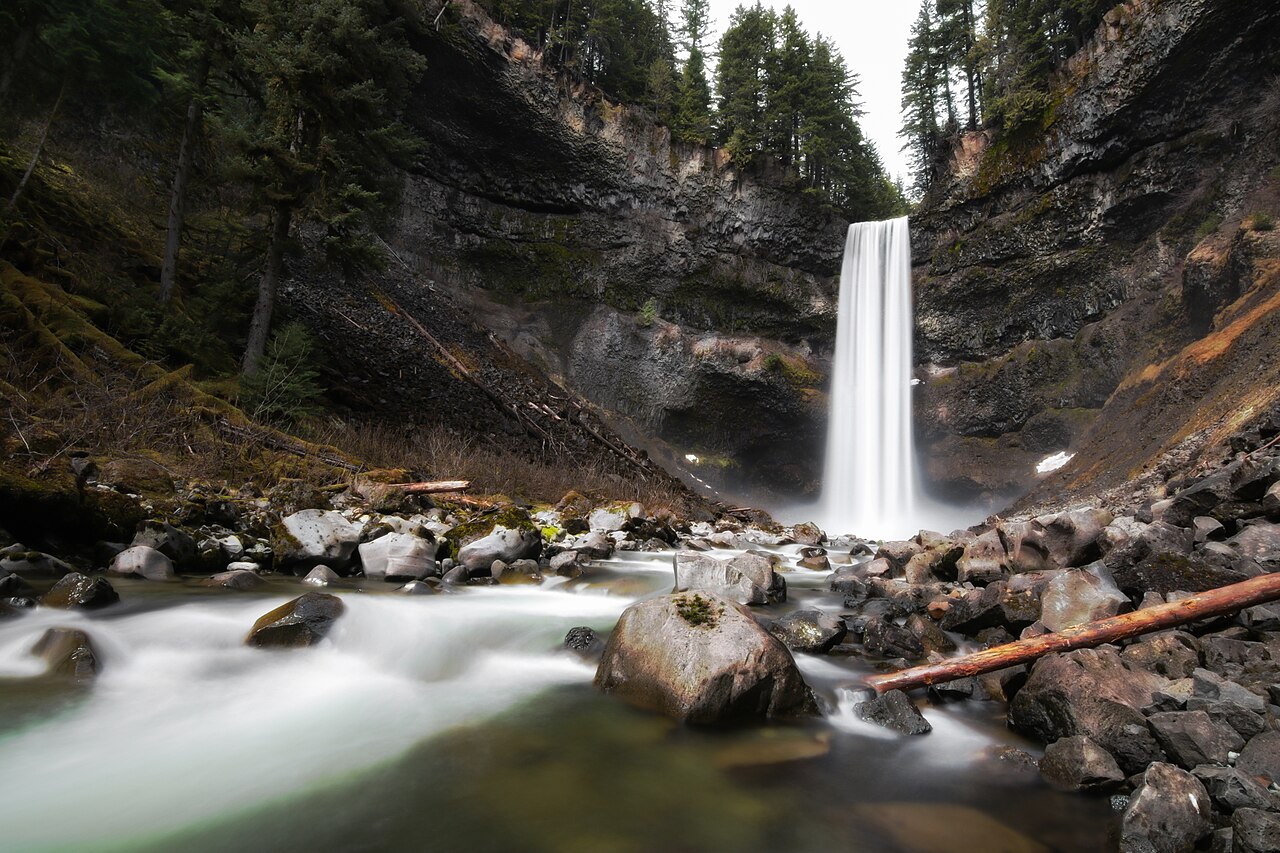
Lost Lake Park is a year-round recreation area at the edge of the village, with forest paths and a lake for summer swimming, and groomed cross-country and snowshoe routes in winter, where rentals and an entry ticket may apply. Brandywine Falls Provincial Park is a free stop on the road to Squamish, and Shannon Falls Provincial Park is free as well. Nairn Falls near Pemberton offers a calm 3 km walk, and Joffre Lakes is the headline hike in summer, though you should check the day-use pass rules. In winter, Brackendale Eagle Viewing costs nothing, and the Stawamus Chief hike is free for fit and well-equipped walkers.
Where to save on a bed
Accommodation is the biggest cost. The cheapest choices are HI Whistler in the Athlete's Village and Pangea Pod Hotel, which suit solo travellers and groups, followed by mid-range village-edge hotels such as Aava Whistler Hotel and Crystal Lodge. Hotels with kitchens, such as Pan Pacific Whistler Village Centre and Blackcomb Springs Suites, let you cook at least some meals, which makes a real difference over several nights. Early November, May and most of spring are the cheapest windows, while Christmas, New Year and February cost the most. Parking is often charged at village hotels, so factor it in.
Eating for less
Groceries and a kitchen are the biggest saving. Buy supplies in town, make breakfast and a packed lunch for the mountain, and keep restaurant meals for one or two evenings. Mountain restaurants charge a premium, so carrying a lunch is the easiest way to cut a ski day cost. Tipping is customary in Canada, so allow for it in restaurant budgets, and prices are in Canadian dollars with sales taxes added at the till.
Paid things worth the money
If you pick only a few paid experiences, choose the ones that you cannot replace. The PEAK 2 PEAK Gondola is the signature ride and gives you big mountain views for one ticket, and it is included with a lift ticket. The Scandinave Spa is a long, restful half day that suits a budget if it replaces a night out. The Audain Art Museum and the Squamish Lil'wat Cultural Centre are modest in price compared with the big tours, and each gives a half day of real substance. Britannia Mine Museum is good value for families on the way to Vancouver.
What to skip if money is tight
The helicopter, seaplane and snowmobile tours are wonderful but sit at the top of the price range, so treat them as a single splurge rather than a habit. The same goes for the Passenger Bobsleigh, which is a memorable one-off. If you ski, a multi-day lift ticket bought in advance is much cheaper per day than a window ticket, and daily tickets can sell out in busy periods.
A sample budget day
Walk the village and Olympic Plaza in the morning, take a packed lunch to Lost Lake Park or the Train Wreck Trail, and spend the late afternoon at a free viewpoint or waterfall. Cook dinner at the hotel, and you will have seen a good part of Whistler for little more than the price of a meal. Repeat it with a different trail each day, and a week in the valley can cost a fraction of what the big-ticket tours would. Check weather first, because a clear day is the one to spend on a viewpoint, and a wet day suits the museums.