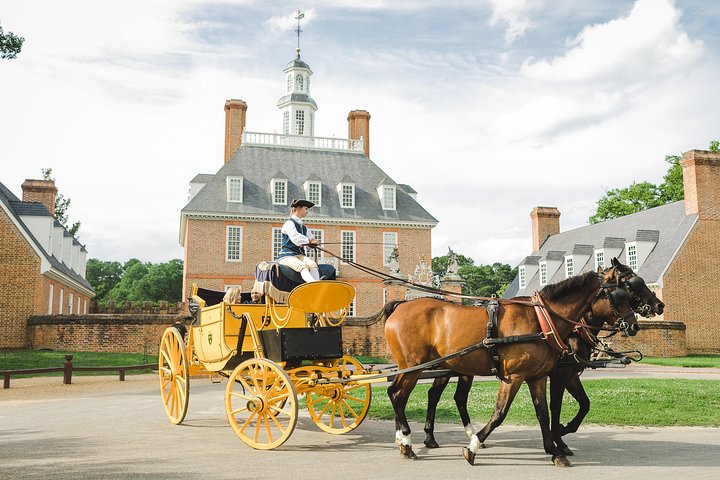
If the Governor’s Palace shows the Crown’s face in colonial Virginia, the Capitol shows the colonists’ own. This handsome brick building closes the eastern end of Duke of Gloucester Street, and it was the home of the House of Burgesses, the elected assembly that gave Virginia’s landowners a voice in running the colony. In 1765 Patrick Henry rose here to argue against the Stamp Act in a speech remembered for its warning about tyranny, and the assembly passed resolutions that helped shape colonial resistance across the thirteen colonies. In May 1776 a Virginia convention meeting in Williamsburg voted to instruct its delegates in Philadelphia to propose independence, one of the first formal steps in that direction. The seat of government moved to Richmond in 1780. The building you visit is a reconstruction completed in the 1930s, the earlier Capitols having been lost to fire, and the interior has been furnished to show the chambers where laws were made and courts met. Entry is part of Colonial Williamsburg admission, and the tour is guided by an interpreter in period dress who often turns the group into a lively debate.
How the visit works
The Capitol is entered on a guided program covered by Colonial Williamsburg admission, so no separate ticket is needed. Tours run at set times through the day, and the schedule can change from day to day, so check the program you pick up at the Visitor Center.
Not every building is open on every day, so look for the Grand Union flag outside. The building is at the east end of Duke of Gloucester Street, a short walk from Merchants Square at the opposite end, and the free shuttle makes it easy to reach.
What to expect
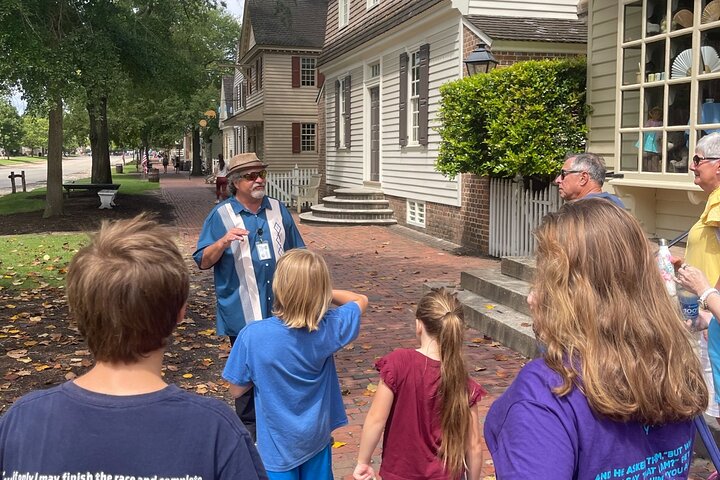
You move between the chambers used by the House of Burgesses, the Council and the General Court. Interpreters explain how laws were debated, who was allowed to vote and who was shut out, and the program often includes a staged moment from the debates that led towards revolution. It is a talky, atmospheric visit rather than a gallery of objects, which makes it especially good for older children and adults who like arguments and ideas. Expect stairs and steps, and ask staff about accessibility arrangements before you go.
Making the most of it
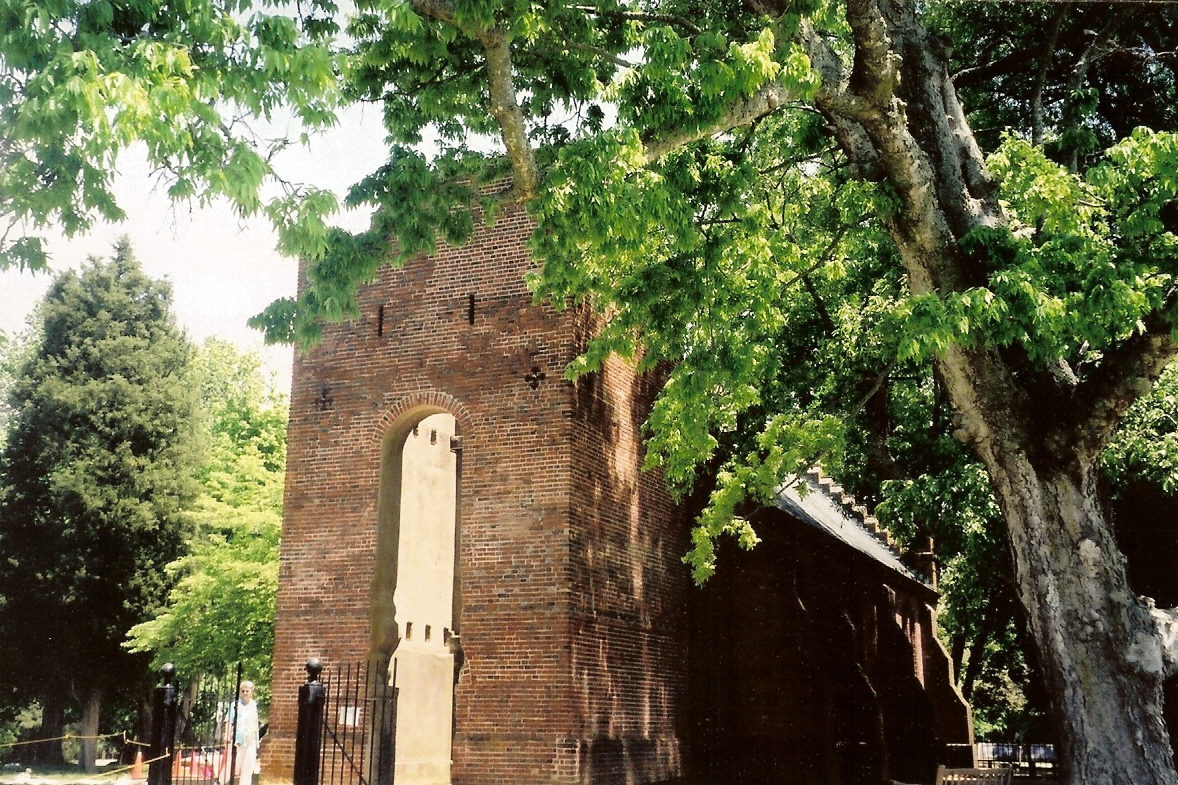
Visit the Capitol first thing, when the building is quiet, and then walk the length of Duke of Gloucester Street toward the Palace, stopping in the trade shops on the way. The street is the best introduction to the Historic Area, and the walk takes you past the Courthouse, Bruton Parish Church and the Printing Office. In the cooler months, dress warmly because the buildings are only lightly heated, and in December the street fills with visitors in the evening for Grand Illumination, so aim for the Capitol in daylight.
What to expect
The experience
A guided program in the reconstructed Capitol, moving between the chambers of the burgesses, the Council and the courts.
Best time
Early in the day, when the building is quiet and the program has space.
How long
About 45 minutes, plus time on the street outside.
Tips
Check the day’s program, dress warmly in winter and combine the Capitol with a walk along Duke of Gloucester Street.
Quick picks
- Best for
- History lovers, older children and anyone curious about how the Revolution began in debate.
- Families
- Better for older children who can follow a talk, with plenty of walking in between.
- Couples
- A good first stop before a stroll along the length of Duke of Gloucester Street.
- Pair with
- The Governor’s Palace at the other end of the street, for the Crown’s side of the story.
- Time needed
- About 45 minutes.
Good questions
Do I need a separate ticket for the Capitol?+
No. The Capitol is covered by Colonial Williamsburg admission, so your Historic Area ticket gets you in.
What happened at the Capitol?+
The House of Burgesses met here, Patrick Henry spoke against the Stamp Act in 1765, and in 1776 a Virginia convention called for independence. Virginia’s seat of government moved to Richmond in 1780.
Is the Capitol the original building?+
No. Earlier Capitols were lost to fire, and the building you visit is a reconstruction completed in the 1930s.
Is the tour suitable for children?+
It suits school-age children and older, because it is talk-led. Younger children may prefer the trade shops and street performances.
Where is the Capitol?+
It stands at the east end of Duke of Gloucester Street, opposite the Merchants Square end, and the free shuttle stops nearby.