Who the Moravians were
The Moravians were a Protestant church community with roots in central Europe who sent settlers to North Carolina in the eighteenth century. They bought a large tract, called Wachovia, and founded Salem in 1766 as the planned center of a communal, religious society. Streets were laid out in a grid, houses were built to a standard of craftsmanship, and trades were organized so the town could be self-sufficient. The Moravians valued music, education and order, and those habits are visible in the district today.
What Old Salem is
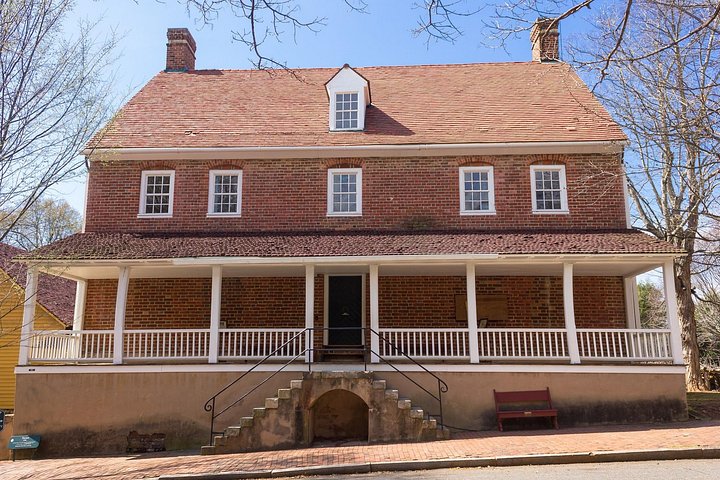
Old Salem Museums and Gardens preserves that town as a living-history attraction covering nearly 100 acres, with more than 100 restored structures. It is described by the local tourism board as one of America's most comprehensive living-history attractions. The distinctive feature is that the streets are open for self-guided strolling at no charge, while a paid ticket takes you inside the interpreted buildings. You can therefore tailor the visit to your time and budget.
The main buildings
The Single Brothers' House, begun in the late 1760s, housed unmarried men who worked as craftsmen under a shared system, and its workshops show trades such as pottery and woodwork. The Salem Tavern, built for travelers, shows how the Moravians managed hospitality. Costumed interpreters and trade demonstrations bring these buildings to life, and the gardens show the herbs and vegetables of a working household. The Heritage Bridge, a 120-foot structure with wooden trusses, is a popular photograph, glowing with Moravian stars in the holiday season.
MESDA
The Museum of Early Southern Decorative Arts is within the district and presents period rooms with furniture, silver, textiles and ceramics from the early South. It rewards design lovers, and it pairs naturally with Old Salem because the Moravian craftsmen are part of the story. Check the current tour and ticket details on the museum's site.
Winkler Bakery and Moravian food
Winkler Bakery has operated since 1800, baking Moravian sugar cake and thin spiced cookies in a wood-fired oven. The sugar cake is soft, buttery and cinnamon-sweet, and the cookies are crisp and intense. Both make excellent gifts. Lot 63 and Muddy Creek Cafe are convenient for lunch, and the Arts District is a short drive for dinner.
The uncomfortable history
A good visit acknowledges that the Moravian town relied on enslaved labor, and that free and enslaved Black residents were part of Salem from its earliest decades. Old Salem has worked to interpret these stories, and the guided tours and exhibits are worth your time. The walking tours elsewhere in the city also touch on this history.
Planning tickets and timing
Check the museum's current admission and hours, since venues operate on set days and times and winter schedules differ from the busier seasons. The streets can be enjoyed free, which makes Old Salem a flexible add-on. Allow at least half a day for the buildings, and a full day if you add MESDA and meals. Spring and autumn are the most comfortable. December is special, with Moravian Christmas traditions, but crowds are large.
After dark
The Old Salem self-guided ghost walk is an outside-only route you follow on your own device at your own pace, with no museum admission needed. It is a quiet, inexpensive way to see the district at dusk, and it suits families who want to control the pace.
Staying nearby
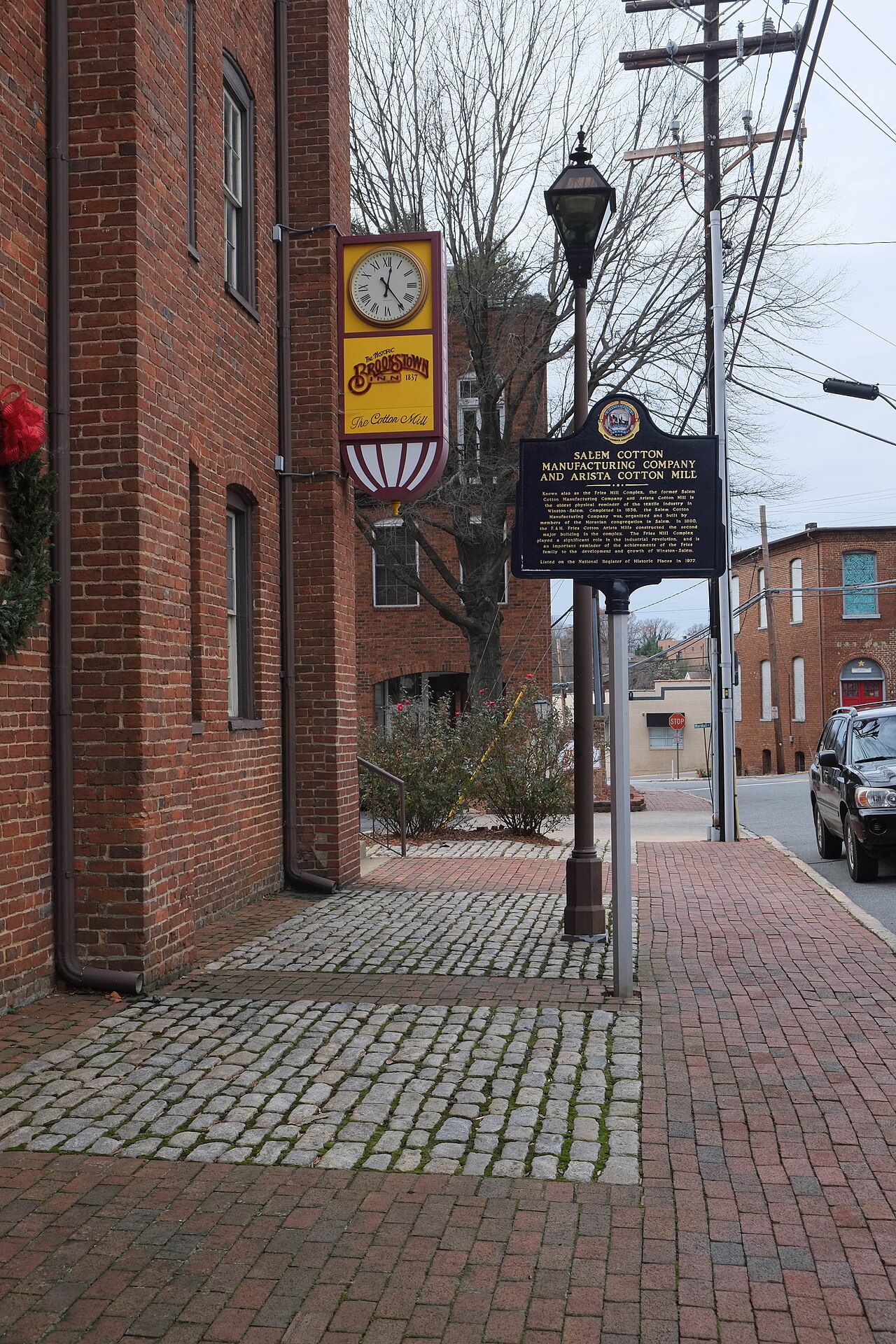
The Zevely Inn sits in the heart of Old Salem and lets you wake up among the buildings. The Historic Brookstown Inn, a restored nineteenth-century cotton mill, is within walking distance and is close to the Visitor Center on Brookstown Avenue. Both are small and popular, so book early for spring, autumn and December.
Respect the neighborhood
Old Salem is also a living community, with homes and businesses. Stay on public paths, keep voices down in the evening and avoid entering gardens or buildings that are not open to visitors.
Children and families
Younger visitors tend to enjoy Old Salem more than parents expect. The trade demonstrations, the animals, the gardens and the bakery give them something to touch, watch and taste, and the open streets let them move freely. Bring a stroller that handles brick, and plan a break at a bench or cafe so the day does not feel like a march.
Combine it
Pair Old Salem with the Twin-City Trolley Tour for context, with the Winston-Salem Historic Guided Walking Tour for the wider city, and with Reynolda for the other side of the local story. That combination gives you the full arc from Moravian craftsmen to tobacco barons.