Two cities in one
Winston-Salem makes more sense once you know it is a merger. Salem was founded in 1766 by the Moravians, a Protestant church community from central Europe who laid out a tidy town of craftsmen's lots. Winston grew up nearby in the nineteenth century around tobacco, and the two towns joined in 1913. That is why locals call it the Twin City, and why the city has two personalities: the careful, communal, brick-and-garden Moravian side, and the confident, Art Deco, industrial side built on cigarettes and textiles. Almost everything you will see fits into one of those two stories, or into the third chapter, the modern arts-and-innovation city that is growing in the old factories.
Start with orientation
The sights are spread over several miles, so the smartest first move is to get the lay of the land. The Twin-City Trolley Tour runs up to about two hours past Old Salem, the Innovation Quarter, the Arts District, the Historic West End, Graylyn, Reynolda Gardens and Wake Forest University, with a guide explaining each. If you prefer to walk, the Winston-Salem Historic Guided Walking Tour covers the compact historic core on foot. Either way, doing one of them early in your stay makes every later stop more meaningful.
The Moravian half
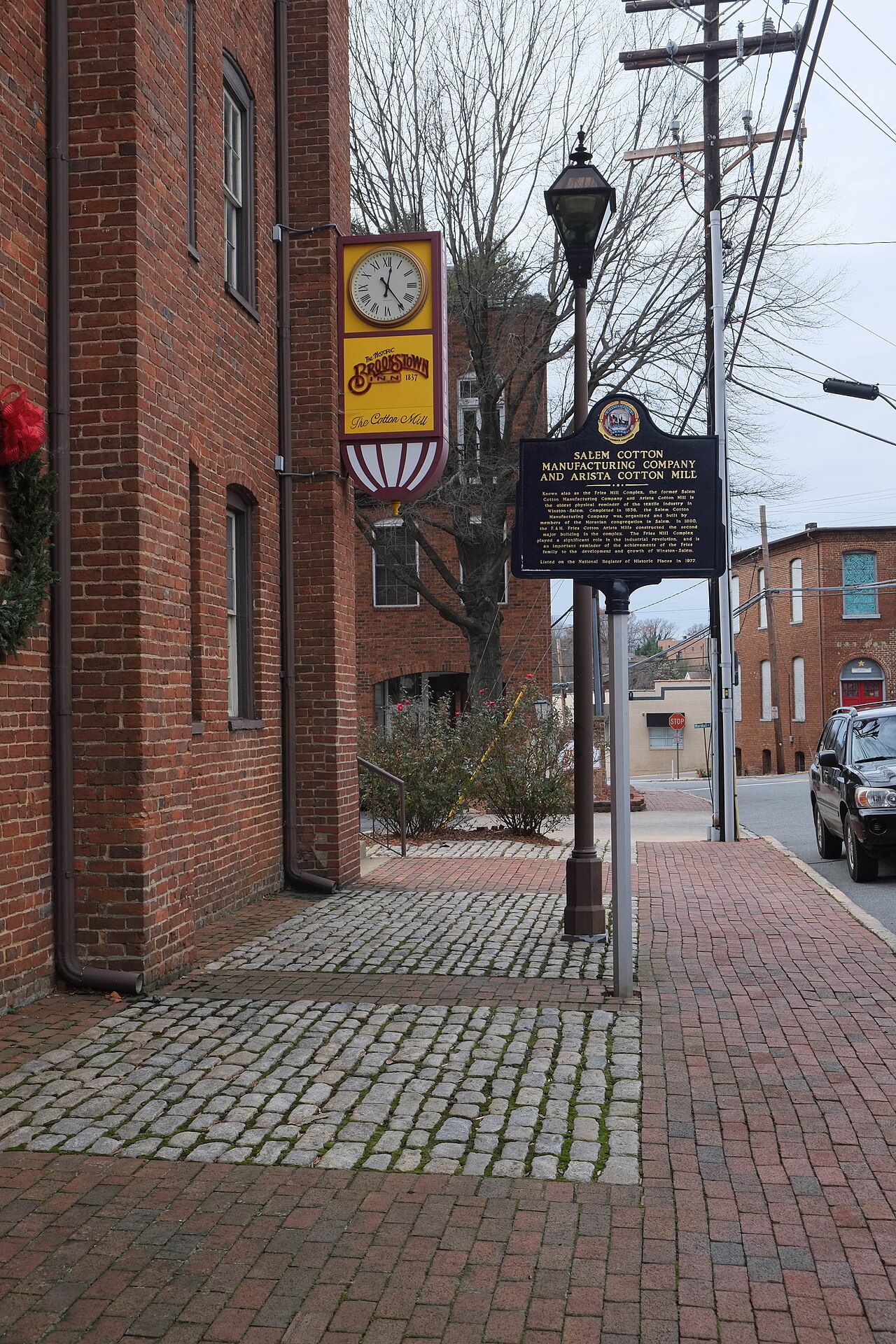
Old Salem Museums and Gardens is the headline. The streets are free to wander, while paid tickets take you inside the interpreted buildings, including the Single Brothers' House and the Salem Tavern, and into MESDA, the museum of early Southern decorative arts. Do not skip Winkler Bakery, baking since 1800, for Moravian sugar cake and the famously thin spiced cookies. Plan at least half a day here. Staying nearby, at the Zevely Inn or the Historic Brookstown Inn, lets you see the district in the quiet of early morning and at dusk.
The tobacco and arts half
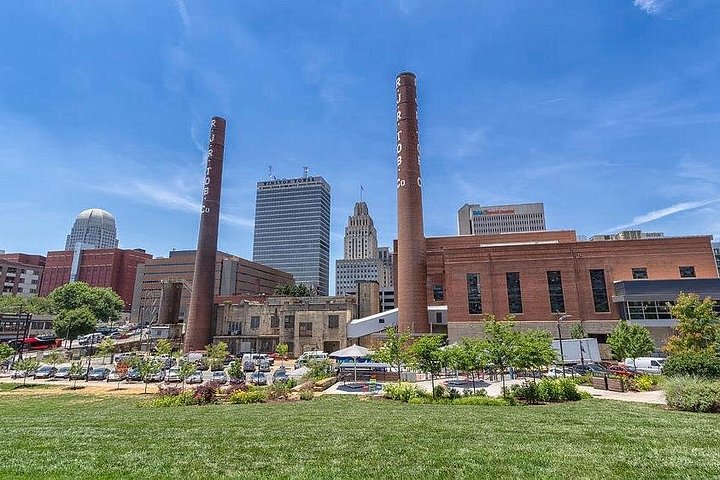
Downtown is where the Reynolds fortune left its skyline. The Art Deco Reynolds Building, completed in 1929, is now the Kimpton Cardinal Hotel, and its design served as a prototype for the Empire State Building. Around it, the Arts District along Trade and Liberty Streets has murals, galleries, craft shops and restaurants, starting at Artivity on the Green. The Innovation Quarter occupies former factory buildings. Eight craft breweries sit within walking distance, and the Craft Draft Crawl strings them together.
The estate
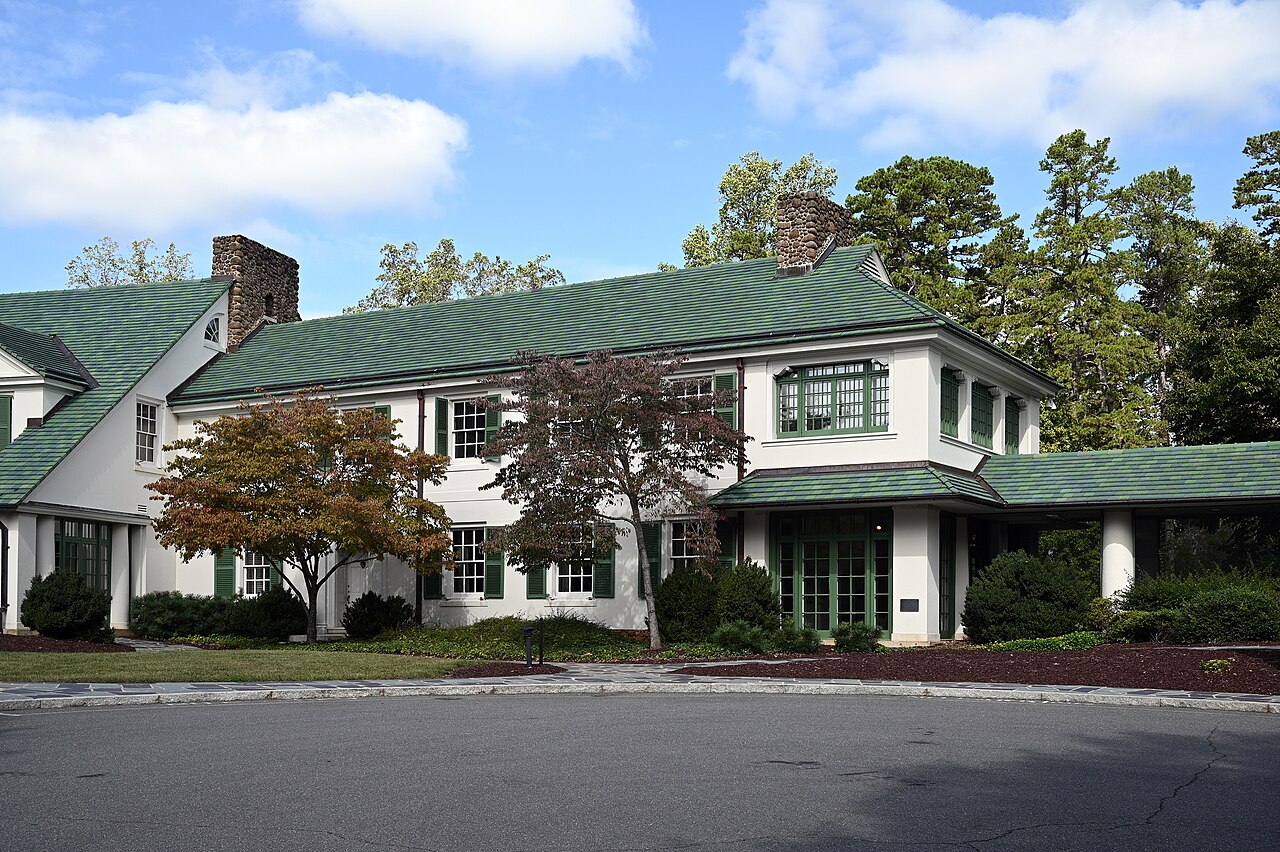
A few miles west, Reynolda is the other essential stop. Reynolda House Museum of American Art, completed in 1917, shows how the tobacco money lived, with 64 rooms of period interiors and an American art collection. Reynolda Gardens is free and open daily, and Reynolda Village has shops, restaurants and doughnuts in the old farm buildings. Wake Forest University adjoins it. Plan a half-day, ideally after a morning in Old Salem or before an evening downtown.
Families
Kaleideum Downtown, a hands-on museum of nearly 70,000 square feet across five stories, is the reliable rainy-day answer. In summer, the Dash play baseball at the downtown ballpark, and on Saturday nights in season Bowman Gray Stadium hosts loud, close short-track racing. Tanglewood Park, about fifteen minutes away, offers gardens, a lake and a lazy river.
After dark
Ghost tours are a local specialty. Carolina History and Haunts leads a roughly two-hour walk through the Historic West End, year-round on most nights with reservations required. The Whispers, Wraiths and Widows tour offers a different set of stories, and the Old Salem self-guided ghost walk lets you wander at your own pace.
When to go
Spring and autumn are the most comfortable for walking and gardens. Summer is warm and humid, good for baseball and the pool. December brings Moravian Christmas traditions to Old Salem, with glowing stars and candlelit events, and the lights festival at Tanglewood. Winter is quieter and cheaper. Note that High Point's furniture Market in April and October pushes up hotel prices across the region.
Getting around
Downtown is walkable, but Old Salem, Reynolda and Tanglewood are best reached by car or ride service. Most attractions have parking, and downtown hotels typically charge for garage or valet parking, so ask when you book.
Where to stay
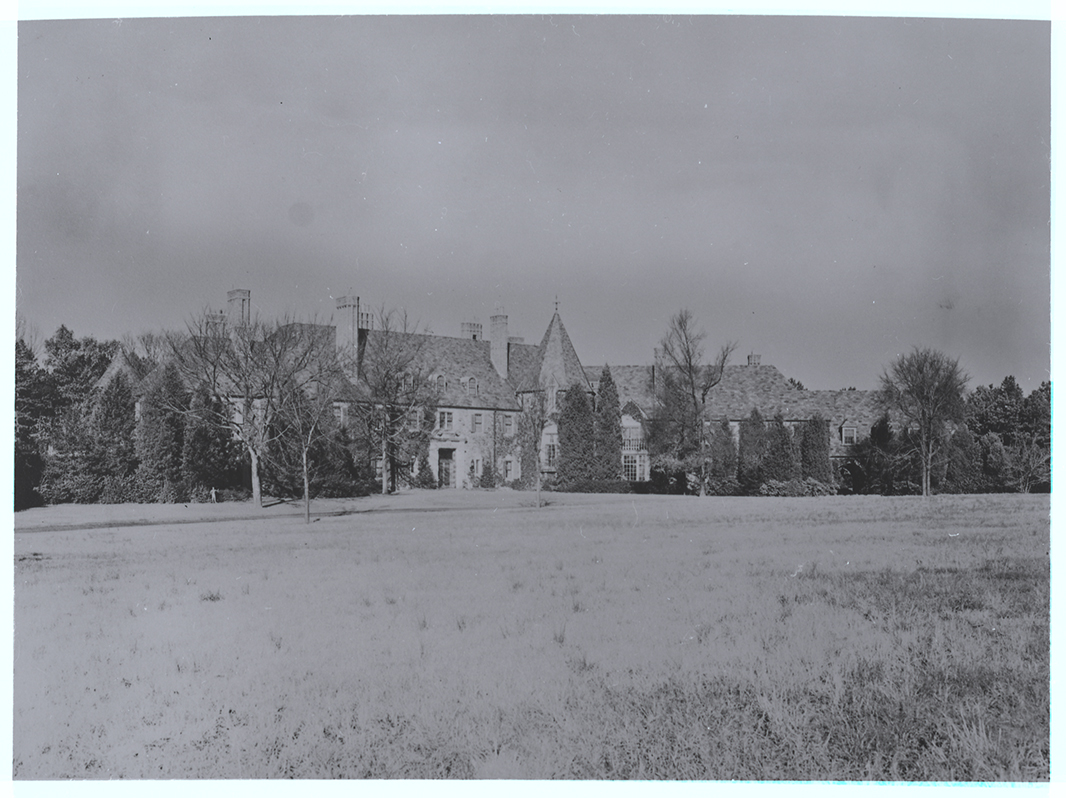
For atmosphere, choose the Kimpton Cardinal or Hotel Indigo downtown, the Historic Brookstown Inn beside Old Salem, or the Graylyn Estate for quiet luxury. For value and convenience, the Hampton Inn and Suites downtown or the Winston-Salem Marriott work well.
A realistic first-timer shape
Day one: trolley or walking tour, Old Salem, dinner in the Arts District. Day two: Reynolda House and Gardens, an afternoon at Kaleideum or Tanglewood, and a ghost tour at night. Day three: a day trip to Pilot Mountain or High Point. That sequence gives you the Moravian, the tobacco and the modern city, with room to breathe between them.