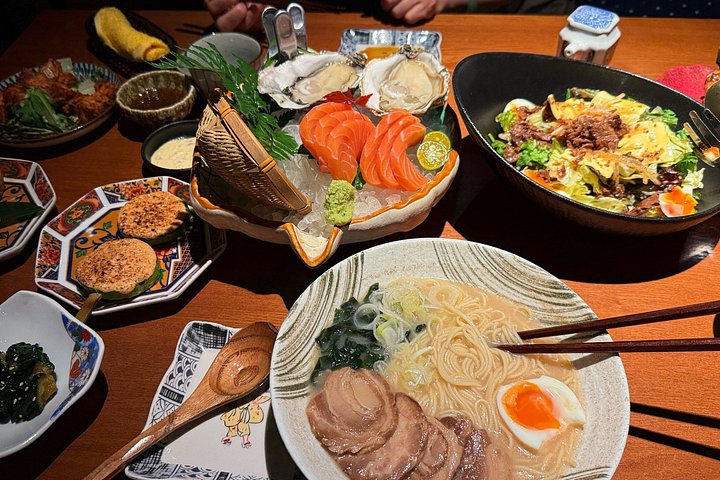
Yunnan has one of the most distinctive food cultures in China. The province combines mountain ingredients, wild mushrooms, herbs, flowers, dairy traditions from Bai and Tibetan communities and flavours that echo neighbouring Southeast Asia. This guide covers the dishes to look for in each place and how to order with confidence.
Rice noodles, the heart of the matter
Rice noodles, called mixian, are the staple of Kunming. The most famous version is crossing-the-bridge noodles, a bowl of scalding broth topped with oil to retain heat, to which you add raw meat, vegetables and noodles one by one. Cheaper and faster versions include small-pot noodles and noodles in a spicy sauce. Many locals eat noodles for breakfast, so a morning visit to a neighbourhood shop is a good way to start your day.
Steam-pot chicken and hearty dishes
Steam-pot chicken, qiguo ji, is cooked in a special clay pot with a central chimney, which allows steam to cook the chicken in its own juices and creates a clear, rich soup. It is often flavoured with medicinal herbs. Other dishes include Yunnan ham, which is cured and used in many recipes, grilled tofu from Jianshui, fried goat cheese and braised pork.
Wild mushrooms and plants
Yunnan's forests produce a huge variety of mushrooms in the rainy season, including porcini, matsutake and many others that are rarely seen elsewhere. Restaurants serve them stir-fried, in soups and in hotpots. Eat wild mushrooms only at trusted places that cook them thoroughly, as improperly prepared ones can cause illness. Local herbs, ferns and flowers also appear on menus, and some are available only in certain seasons.
Flowers on the plate
Kunming grows flowers on a large scale, and edible varieties appear in food. Rose pastries are a speciality, a flaky pastry with a fragrant rose filling that can be eaten fresh from bakeries. Jasmine and other blossoms appear in stir-fries, teas and fritters. A pastry class, like the one offered in the flower market tour, is a fun way to learn.
Dali and the Bai table
In Dali, look for rubing, a cheese that is fried, grilled or served with sugar, and baba, a flatbread filled with sweet or savoury stuffings. Fresh fish from Erhai Lake, raw pork dishes in Bai style (eat only from reliable places) and cold noodles are part of the local repertoire. Xizhou is known for its baba, and village restaurants serve seasonal vegetables.
Lijiang and the Naxi table
Naxi cooking includes chicken and bean soup, baba, ribs with local herbs and yak butter tea. The old town is full of restaurants that mix Naxi dishes with Chinese classics, so look for places filled with local guests. Coffee and baked goods are widely available if you need a break from rice.
Shangri-La and Tibetan flavours
In the highlands, meals are built around yak meat, potatoes, tsampa (roasted barley flour), butter tea and hearty stews. Yak hotpot is a favourite on cold evenings. Altitude can affect your appetite, so eat lightly on the first night and drink plenty of water.
Ordering tips
Menus often have pictures, so you can point. A translation app helps with ingredients. Dishes are shared, so order a few for the table, with rice or noodles on the side. Spice varies, and you can ask for less chilli. Vegetarian travellers should ask in advance, as stocks and fillings may contain meat. Tap water is not generally drunk, so rely on bottled water or tea.
Markets and snacks
Morning markets sell fresh fruit, nuts, cheese, pickles and flatbreads, and street stalls serve grilled tofu, corn, sausages and sweet snacks. Choose busy stalls with fast turnover, carry tissues and hand gel, and bring small notes or a mobile payment app. A guided food tour in Kunming is an efficient way to learn what to order for the rest of the trip.
Drinks
Yunnan is the home of Pu'er tea, and tea shops will let you taste before you buy. Coffee is also grown in the province, and cafes in Kunming, Dali and Lijiang serve good local beans. Local plum wine and baijiu are available, and you should drink with care at altitude.
Dietary needs
If you have allergies or avoid certain foods, write a short note in Chinese with your needs and show it when ordering. Common allergens include peanuts, shellfish and soy, and some broths contain pork even in dishes that look vegetarian. Guides on food tours can help you choose safe options, and large hotels often provide alternatives at breakfast. When in doubt, order simple stir-fried vegetables, steamed rice and fresh fruit.