Scattered across the countryside of the former Yugoslavia are hundreds of large abstract memorials, built mostly between the 1960s and the 1980s to commemorate the Second World War. Their forms are bold and strange: concrete wings, stone flowers, geometric towers and curving sculptures that look as if they belong to a science-fiction film. They are often called spomeniks, and in recent years they have attracted photographers and architecture lovers from all over the world. A photography-led day trip from Zagreb takes you out of the city to see some of the monuments in Croatia’s interior, with a guide who explains the history behind them and the artists who designed them. The tour is as much about context as about pictures. You learn why the memorials were built, what they were meant to say about unity and sacrifice, how they were used for school visits and ceremonies, what happened to them during the wars of the 1990s and why some are in ruins while others are carefully maintained. You will also pass through quiet landscapes that most visitors never see, so the journey itself gives a picture of rural Croatia. This is a thoughtful, sometimes sombre day, not a thrill ride, and it suits travellers with an interest in photography, design or modern history. The exact route depends on the operator and the conditions, so check which monuments are included when you book, and ask whether the programme suits teenagers if you are travelling as a family, since the subject matter is serious and the day is long.
Planning the day
The tour is a full day by road, so expect an early start and a late return. Roads between sites can be rural and the weather matters, particularly in winter when fog or snow can change what is accessible. Check the group size, whether lunch is included and whether you will walk on rough ground. A basic camera or a phone with a good lens is enough, and the guide will help with composition and the best light.
What you will see
Monuments differ greatly in scale, from small memorials in village clearings to large structures on hillsides, many surrounded by quiet parkland. The architecture is the first draw, and the history the second: the monuments commemorate battles, camps and victims, and the stories attached to them are serious. The guide’s role is to balance the visual appeal with respect for what the sites represent, and visitors are expected to behave accordingly. Expect reflective moments at some stops, and plenty of material for photographers.
Making the most of it
Wear sturdy shoes, since paths may be muddy or uneven, and layers for changeable weather. Bring a battery pack for your phone or camera, snacks and water. Photograph with sensitivity: avoid posing in disrespectful ways at memorial sites and follow the guide’s advice on drones, which are often restricted.
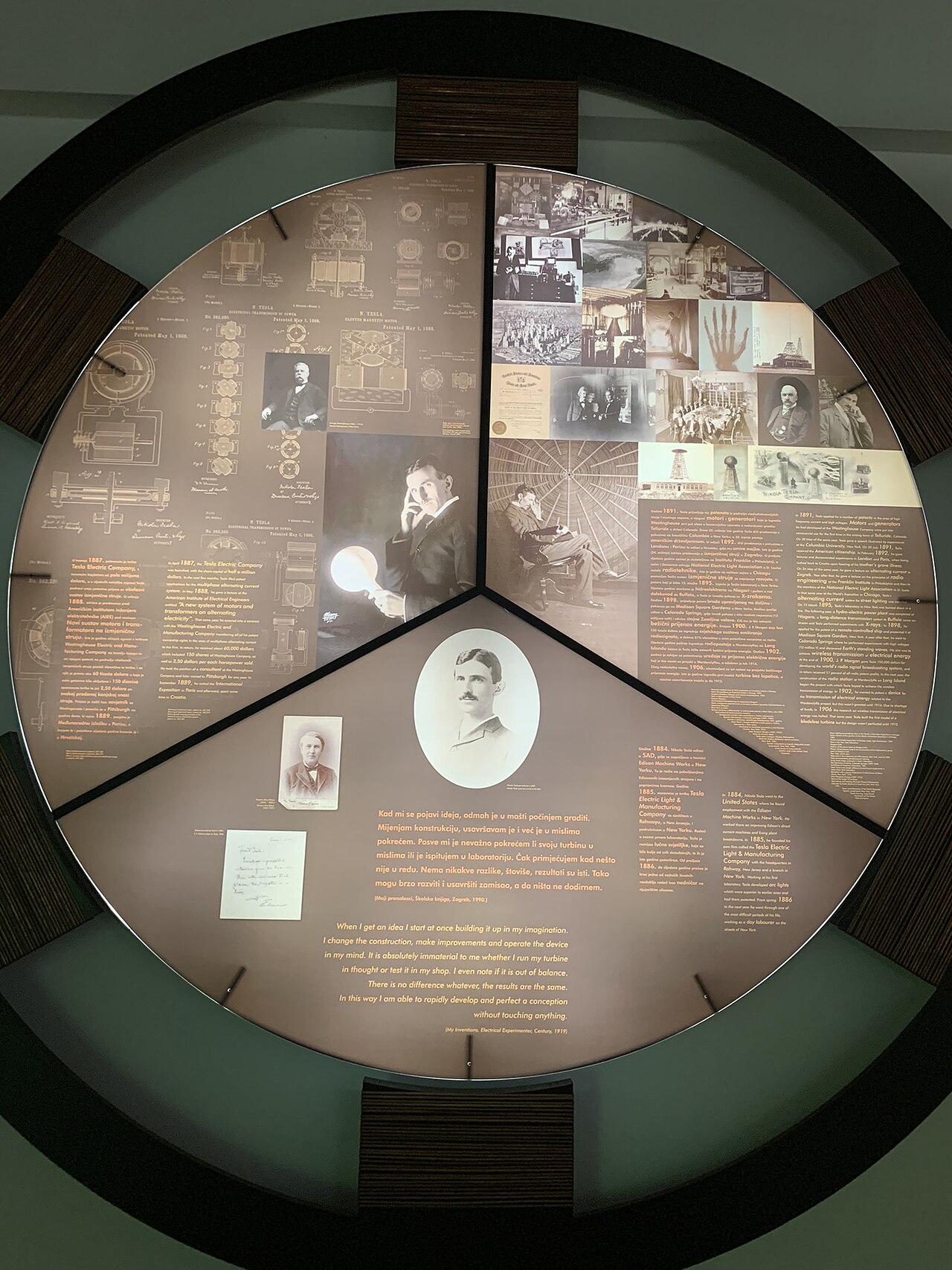
This tour sits nicely beside the Communism and Homeland War walking tour in the city, which covers the same era through streets and buildings rather than monuments, and the Technical Museum Nikola Tesla offers a very different side of twentieth-century Croatia. For travellers who want one serious, memorable day beyond the usual castles and lakes, it is a distinctive choice.
What to expect
The experience
A guided photography-focused day trip by road to modernist memorials, with historical commentary.
Best time
A dry day with good light; autumn and spring are often the most atmospheric.
How long
Full day with an early start.
Tips
Wear sturdy shoes, carry water and a power bank and photograph the sites with respect.
Quick picks
- Best for
- Photographers, architecture lovers and history-minded travellers.
- Families
- Better for teenagers and adults than for young children, given the length and the subject matter.
- Couples
- A quiet, unusual day for curious couples.
- Pair with
- The Communism and Homeland War walking tour in the city.
- Time needed
- A full day.
Good questions
What are Yugoslav monuments?+
Large abstract memorials, often called spomeniks, built mostly between the 1960s and 1980s to commemorate the Second World War across the former Yugoslavia.
Do I need to be a photographer?+
No. The tour suits anyone interested in architecture and history, and a phone camera is enough.
How long is the tour?+
It is a full-day trip by road, with an early start and a late return. Check the schedule when you book.
Is the tour suitable for children?+
It is better for teenagers and adults, given the length of the day and the sombre subject matter.
What should I wear?+
Sturdy shoes and layers. Paths can be muddy and weather changes quickly in the countryside.