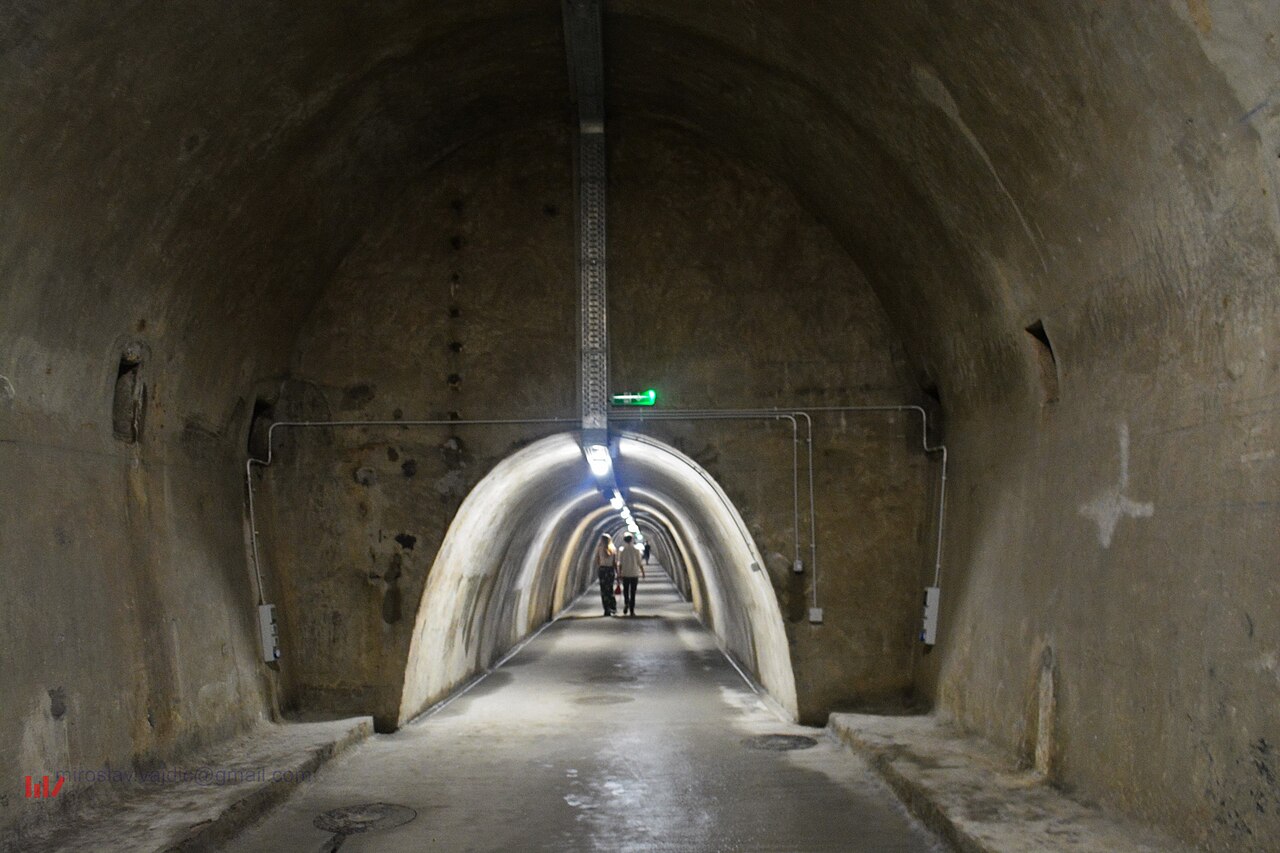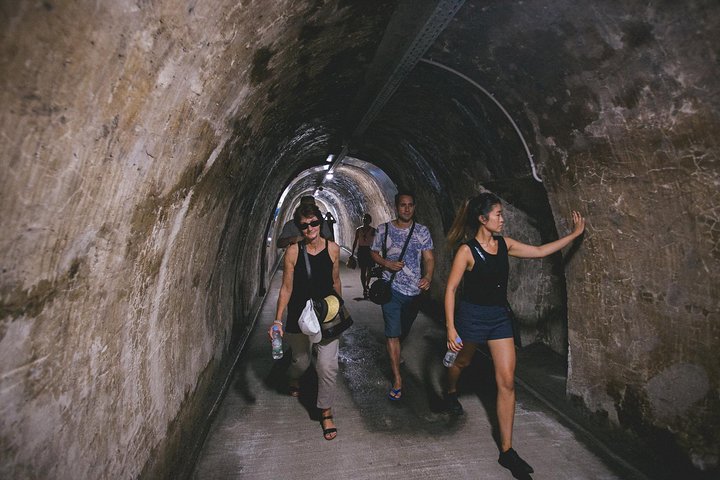
Most visitors come to Zagreb for its coffee terraces and Habsburg squares, but the city also carries a heavier history that shapes how its people talk about themselves. This guided walk is the most direct way to hear it. It begins at the equestrian statue on Ban Jelačić Square, the traditional meeting place of the city, and moves on to the Grič Tunnel, a bomb shelter dug into the hill under the Upper Town during the Second World War and later used again as a shelter in the 1990s. A third stop on the Kaptol side brings you to a basement that sheltered residents during the bombing of the war of independence, where the guide pairs the setting with a multimedia presentation on the Homeland War. Along the way you hear how Zagreb lived through the Yugoslav decades, what changed after 1991 and why the wartime years still sit close to the surface. It is a serious tour, delivered in plain language rather than as spectacle, and it works best for travellers who want context for what they see in the museums and on the streets. Groups are kept sociable in size and the pace is gentle, with only the short walk between the squares and the hill.
How it works
The tour lasts about two hours and starts and ends at the Ban Jelačić statue on the main square, so you can fit it in before lunch and finish a few steps from the cafés and Dolac market. The itinerary covers the main square monument, the Grič Tunnel and the Kaptol area, with a licensed local guide and a multimedia presentation.
Entry to the tunnel is not part of the programme on days when a public event is held inside it, in which case the guide adapts the route. Tips for the guide are separate. The tour has an exceptionally strong record with travellers, with a rating of 5.0 across well over a thousand reviews on the booking page.
What to expect emotionally
The subject matter includes war, bombing and loss, so expect a sober tone in places, balanced by the guide’s personal perspective and humour about everyday life under the old system. Teenagers who are interested in history usually get a lot from it, but it is not a tour for young children. Questions are welcome, and guides are generally open about the fact that people in Croatia hold different views on these years.
Making the most of it
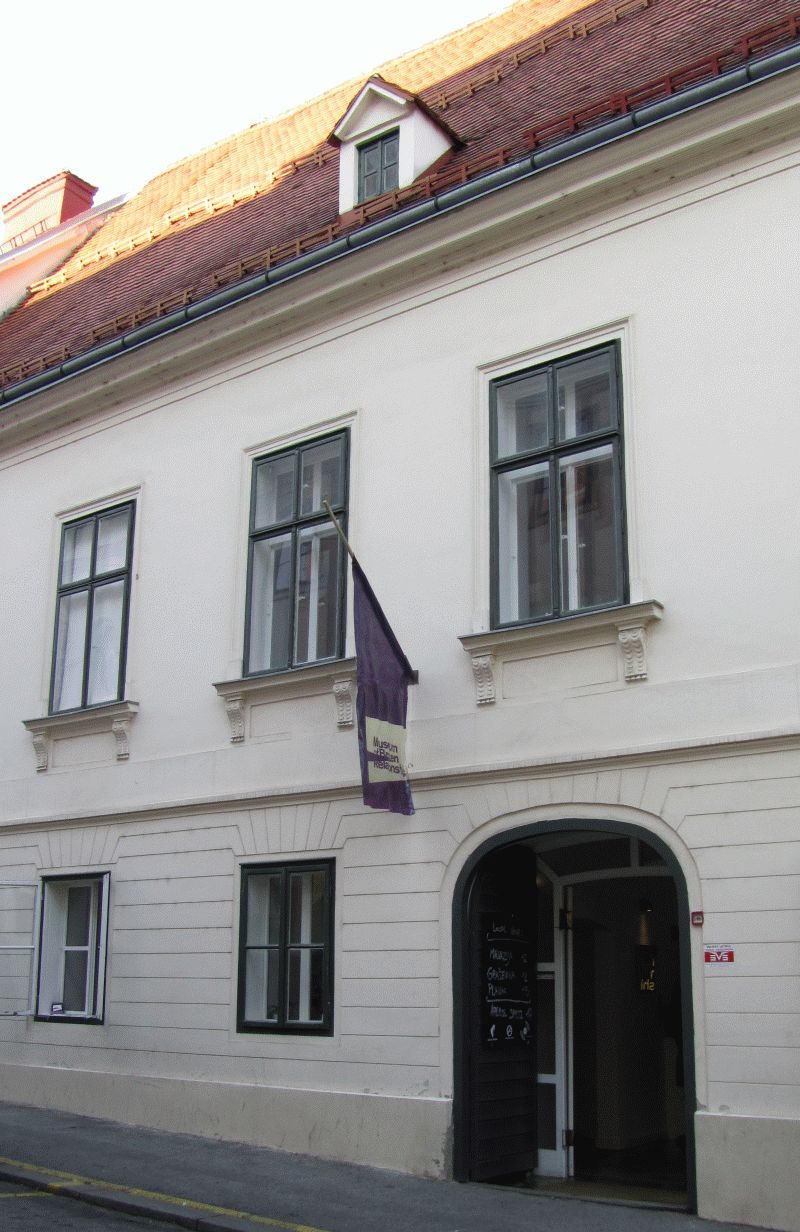
Wear comfortable shoes, as the tunnel floor is smooth but the streets are cobbled, and bring a light jacket because the tunnel stays cool even in summer. Pair the tour with the Museum of Broken Relationships and the Upper Town afterwards, since the museum’s story of private loss sits well beside the public history you have just heard. In winter, dress warmly for the waiting at the start, and in summer take the morning slot to avoid the heat.
What to expect
The experience
A guided walk of about two hours with a local guide, a stop in the Grič Tunnel, a visit to a wartime basement shelter and a multimedia presentation on the Homeland War.
Best time
Any season; choose a morning in summer and dress warmly in winter, because the tunnel and basement stay cool all year.
How long
About two hours, starting and ending at the Ban Jelačić statue.
Tips
Wear comfortable shoes, carry a light jacket and come ready for a serious subject; it suits teenagers and adults rather than young children.
Quick picks
- Best for
- History-minded travellers who want to understand twentieth-century Zagreb before they visit the museums.
- Families
- Best for older children and teenagers who are interested in history; the subject matter is heavy for young ones.
- Couples
- A thoughtful shared morning, followed by coffee on Tkalčićeva street to talk it over.
- Pair with
- The Museum of Broken Relationships and the Upper Town, both a short walk away.
- Time needed
- Two hours, plus a coffee afterwards.
Good questions
Where does the Communism and Homeland War tour start?+
It starts and ends at the equestrian statue of Ban Jelačić on the main square, Trg bana Josipa Jelačića. The meeting point is easy to find and central.
How long does the tour take?+
It lasts about two hours. The route covers the main square, the Grič Tunnel and the Kaptol area, with a presentation on the Homeland War.
Is the Grič Tunnel always included?+
The tunnel visit is part of the route but is not offered on days when a public event takes place inside it. Your guide will adjust the walk if that happens.
Is the tour suitable for children?+
It suits teenagers and adults who are interested in history. The themes of war and bombing make it a poor fit for young children.
Is the tunnel cold?+
Yes, it stays cool all year, which is a relief on a hot day but means you want a light jacket in other seasons.