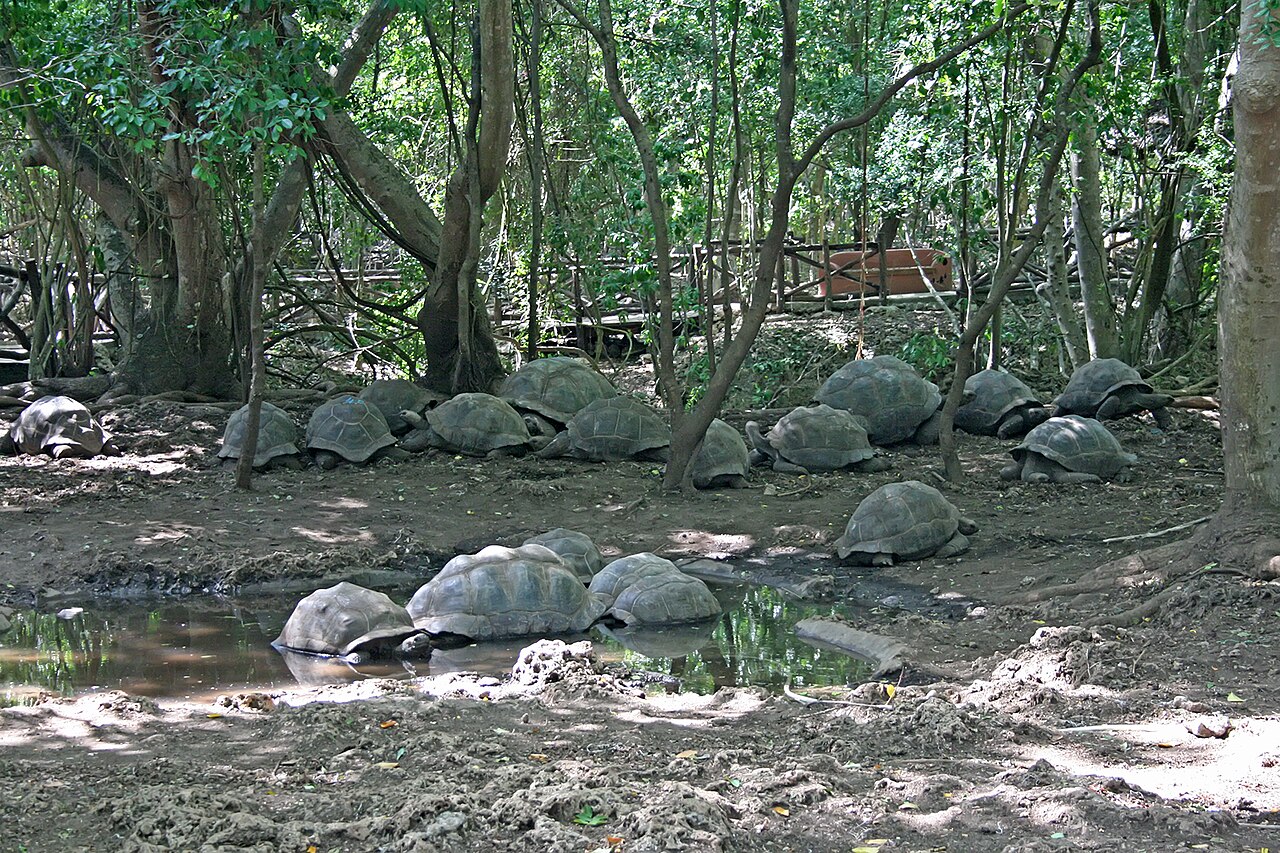
Chumbe Island is Zanzibar’s best-known marine conservation project: a small uninhabited island, west of the main island, surrounded by a protected reef where fishing is not allowed. The reef is home to at least fifty-nine genera of hard coral and more than five hundred species of reef fish, and the island’s coral rag forest shelters more than a hundred and eighty plant species, coconut crabs and the critically endangered Aders’ duiker, a tiny antelope. Day visitors snorkel the reef with a guide, walk the forest trail, climb the 132 steps of a lighthouse that dates from 1904 and see the old mosque of Indian design. The day visit starts in Stone Town, includes snorkelling equipment, lunch, water and pickup, and keeps groups to a maximum of eight, so the island stays peaceful. It is a different day from the sandbank trips: quieter, more educational, and the place to see healthy hard coral up close.
How it works
The day visit lasts about seven hours and starts in Stone Town, with transport to the boat and a crossing to the island. Equipment, a seafood lunch and drinking water are included, and the group size is limited to eight. Guests who stay at beach hotels outside Stone Town may pay an extra transfer fee, which the booking page spells out. The trip is not wheelchair accessible and a moderate level of fitness is expected, because there is walking on uneven paths and steps in the lighthouse.
What you see
Guided snorkelling usually lasts about an hour and covers reef gardens with hard and soft coral, schools of reef fish and, with luck, a turtle or a stingray. On land you can follow a trail through the coral rag forest, walk to a mangrove pool or climb the lighthouse for views across the channel between Zanzibar and the mainland.
Full-island intertidal walks with the rangers are possible only at spring low tides, so they depend on the moon, and the coconut crab walk is an evening activity for overnight guests. The sanctuary runs on strict rules, so do not take shells or coral and do not touch marine life.
Making the most of it
The sanctuary does not operate every month, so check the season and the schedule before you plan. Wear reef-safe sunscreen, a rash vest, a hat and sturdy sandals, and bring a camera with a waterproof case. The sea can be rough on windy days and trips can change, so keep a spare day.
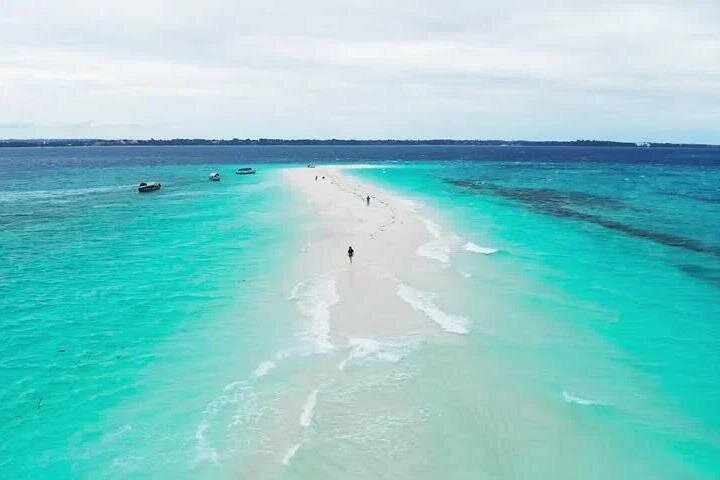
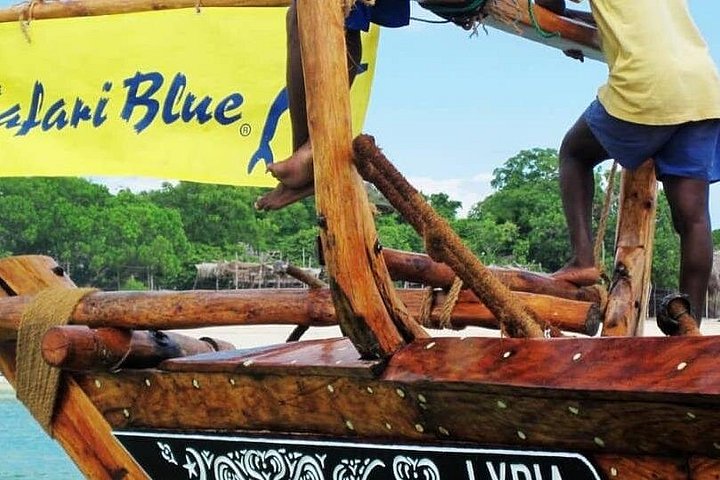
Chumbe is a good option for confident swimmers who want to see coral and wildlife in a natural setting, and it makes a quiet counterpart to the busy Safari Blue and Nakupenda days. Combine it with a Stone Town afternoon after you return.
What to expect
The experience
A small-group day from Stone Town: boat crossing, guided reef snorkelling, forest and lighthouse walk, and lunch on the island.
Best time
Dry-season weather with calm seas, subject to the sanctuary’s operating season.
How long
About seven hours including transport.
Tips
Check the season, wear reef-safe sunscreen and a rash vest, bring sturdy sandals and never touch coral or marine life.
Quick picks
- Best for
- Snorkellers and nature lovers who want healthy coral and a conservation experience.
- Families
- Good for older children who swim and walk well, but not accessible for wheelchairs.
- Couples
- A quiet, uncrowded alternative to the big sandbank trips.
- Pair with
- A Stone Town afternoon on your return, or the Nakupenda sandbank on a different day.
- Time needed
- One full day.
Good questions
What is Chumbe Island?+
A small protected island and marine sanctuary off the coast of Stone Town, with a reef where fishing is not allowed.
What can I see on the reef?+
The reef has at least fifty-nine genera of hard coral and more than five hundred species of reef fish, plus turtles and stingrays with luck.
Is lunch included?+
Yes, the linked day visit includes a seafood lunch, water and snorkelling equipment.
How big are the groups?+
The day visit is limited to a maximum of eight people.
Is it suitable for wheelchair users?+
No, the island involves uneven paths and lighthouse steps, and a moderate level of fitness is expected.