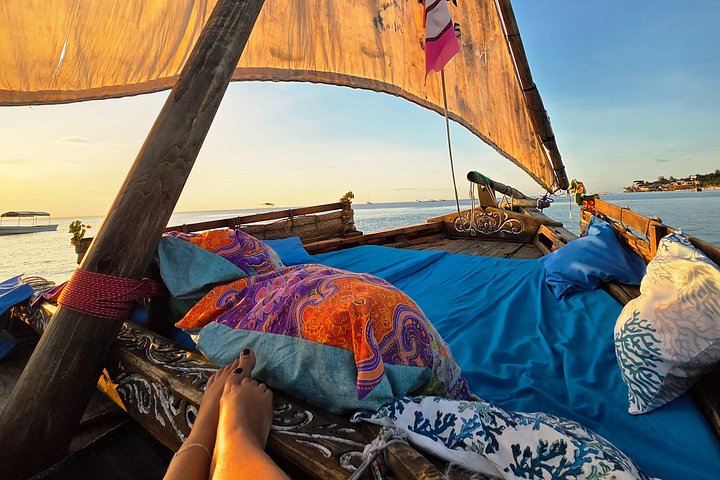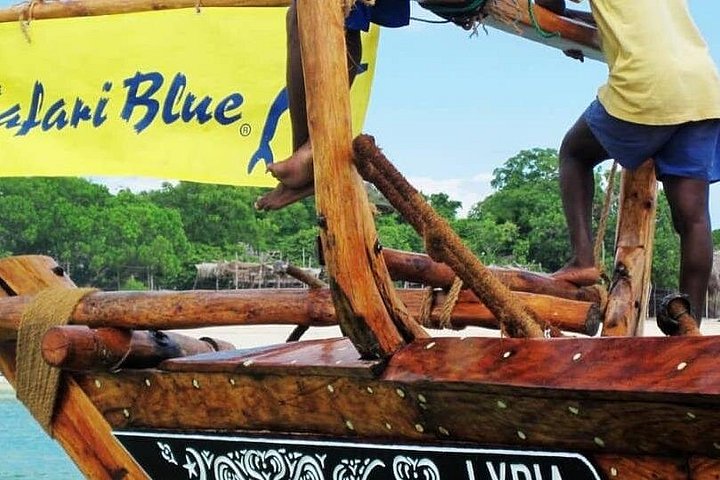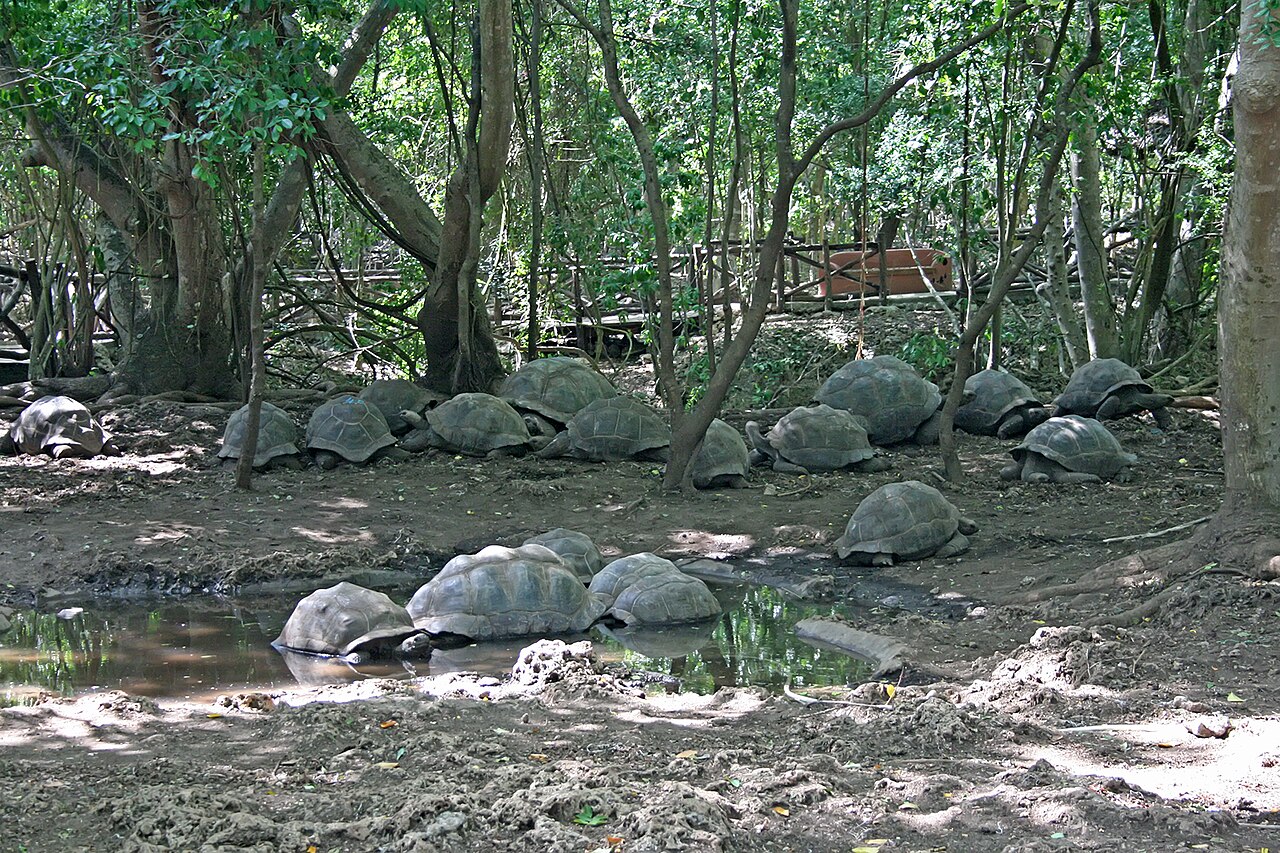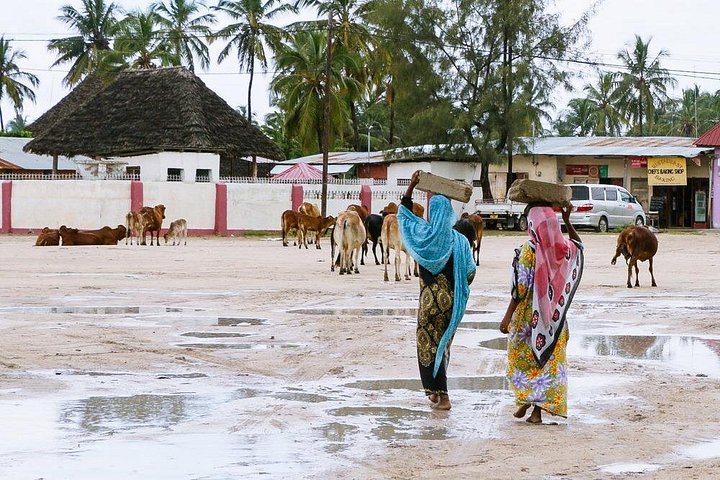
Nungwi is known for its beaches, but the village behind them is where the island’s seafaring tradition is easiest to see. At the northern tip of Zanzibar, boat builders still shape wooden dhows by hand on the shore, and the working fishing community goes on around the resorts. Close to the beach sits the Mnarani Marine Turtles Conservation Pond, often called the Nungwi aquarium, a community-run sanctuary where sea turtles, mostly green and hawksbill, live in a sea-fed pond. It was set up to protect turtles found injured or caught in nets, and it releases some of them back to the sea. Visitors can watch the turtles at close range and learn about their life cycle from the staff, and touching is restricted so the animals are not stressed. The tour linked here is a private half-day outing that combines the village, the dhow builders and the turtle pond with some time on the beach, which makes it a rewarding break from lying by the pool.
How it works
The linked trip is a private half-day tour of three to four hours, run for your group only, with a local guide who walks you through Nungwi village, the dhow-building area and the turtle pond. Entry to the pond is a modest fee, and the tour price usually covers it, but confirm when you book. Most beach hotels in Nungwi and Kendwa are within easy reach, so transport is short.
What you see
At the shore, craftsmen cut and fit planks to build the traditional boats that still carry fishermen and passengers around the island; the guide explains the different hull shapes and sails. At the conservation pond, turtles of different sizes swim in a fenced-off pool of sea water, and the staff explain how the sanctuary rescues turtles, why they are threatened by nets, plastic and the loss of nesting beaches, and what happens when animals are released. A turtle release day is held once a year, usually in February, and is announced in advance.
Making the most of it
Go with realistic expectations, since this is a small sanctuary rather than a large aquarium, and keep your hands out of the water unless a guide invites you. Wear modest clothes in the village, ask before photographing people, and carry small notes for the entrance fee and a tip.
Late morning light is good for photographs of the dhows, and the pond is calmer when visits are spread through the day, so avoid the midday rush if you can. If you want to swim with turtles in the open sea, choose a snorkelling trip instead, such as the Mnemba Atoll day.
What to expect
The experience
A private guided half-day through Nungwi village, the dhow-building shore and the Mnarani turtle conservation pond, with beach time.
Best time
Late morning on a dry-season day, when the light is good and the village is active.
How long
Three to four hours.
Tips
Dress modestly in the village, ask before taking photos of people, bring small notes, and do not touch the turtles unless staff invite you.
Quick picks
- Best for
- Families and wildlife lovers staying on the north coast who want an easy cultural and conservation outing.
- Families
- Children enjoy seeing turtles up close, and the short half-day format suits them well.
- Couples
- A gentle, interesting break from the beach that ends with free time by the sea.
- Pair with
- A sunset dhow cruise from Nungwi or Kendwa, or the Mnemba Atoll snorkelling day.
- Time needed
- Half a day.
Good questions
What is the Nungwi aquarium?+
It is the Mnarani Marine Turtles Conservation Pond, a community-run sanctuary where rescued sea turtles live in a sea-fed pond.
Which turtles can I see?+
Mostly green and hawksbill turtles, of different sizes, though numbers vary through the year.
Can I touch the turtles?+
Touching is restricted to protect the animals, though staff may supervise it on some visits. Follow the guide’s instructions.
When are turtles released?+
A release day is usually held once a year in February and is announced in advance by the sanctuary.
Is the tour private?+
Yes, the linked half-day tour is private for your group and lasts about three to four hours.