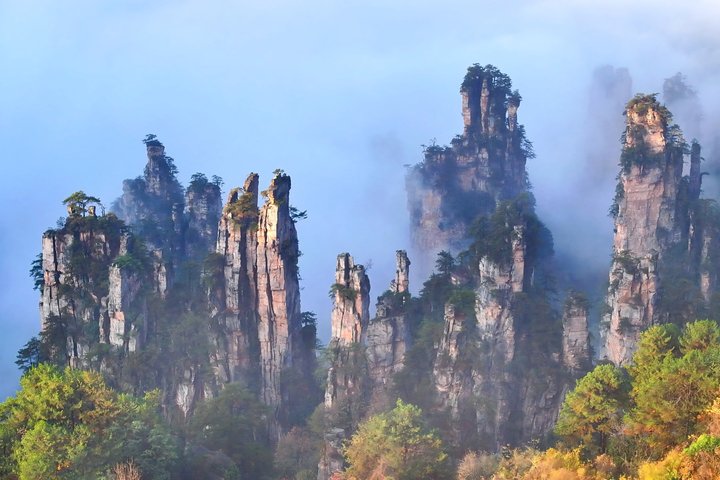
Zhangjiajie is a destination where the weather is part of the show. The sandstone pillars look different in clear air, in mist and under cloud, and each season shifts the balance between comfort, scenery and crowds. There is no bad time to go, but there are better times for particular plans, and a few weeks when it pays to book far ahead or choose somewhere else. This guide describes each season plainly so you can match your dates to what you want to do.
Spring
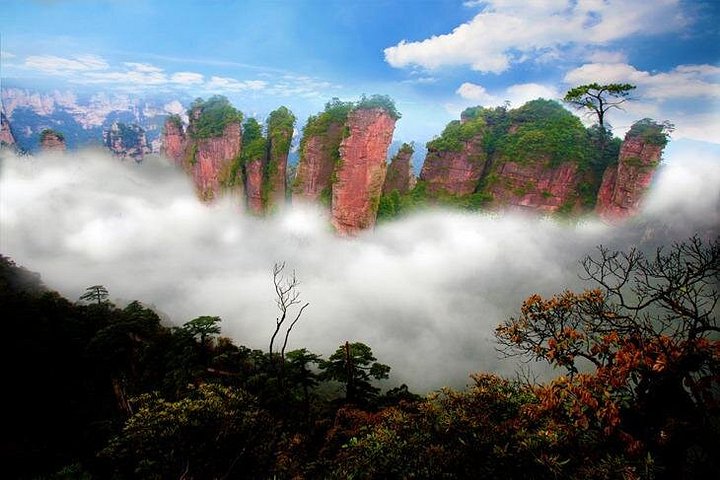
Spring is one of the two most comfortable seasons for walking. The forest turns fresh green, streams run well after the rains, and mist often fills the valleys, which gives the pillars their floating look. Showers are common, so a rain layer is essential, but days are generally mild enough for long trails such as the Golden Whip Stream. Spring is a good time for the shows too, since the Tianmen Fox Fairy Show resumes in the warmer months after its winter pause. Expect busier weekends and some school-group traffic, but nothing like the national holidays.
Summer
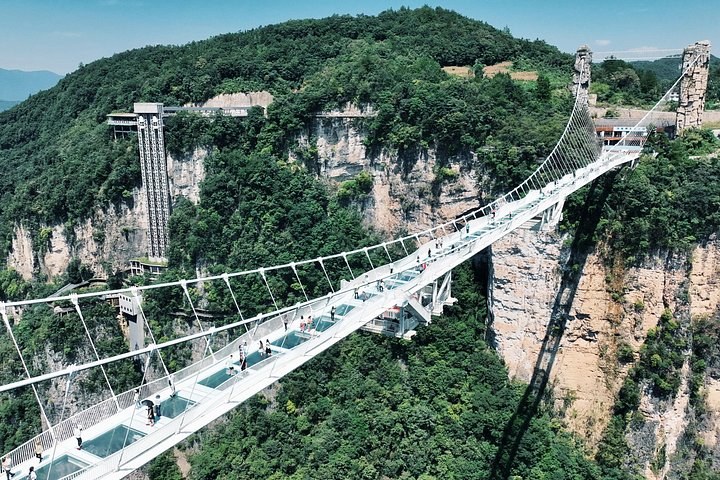
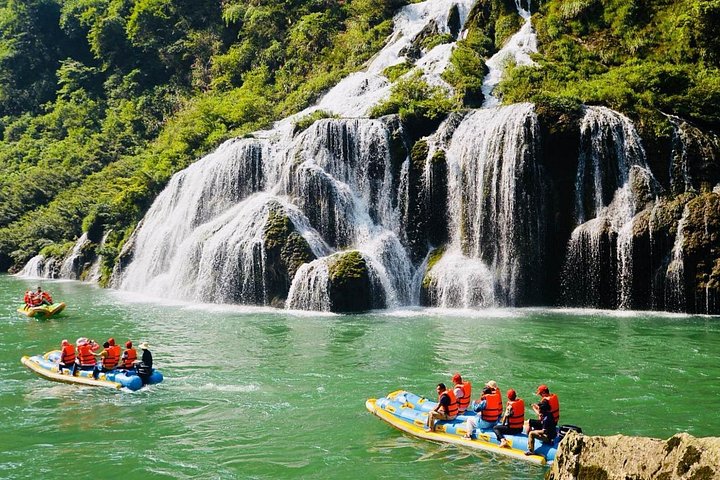
Summer is hot, humid and wet, with heavy afternoon showers. It is the season of full waterfalls, lush green slopes and rice terraces at Laowuchang that look their best from late spring to early autumn, and Furong Town's waterfall is at its fullest in the wet months. It is also the busiest period for family and school travel, so queues at the Bailong Elevator and the glass bridge are longer. Paths are slippery, and the bridge or individual cable cars can pause in storms. Start early, finish hikes before the afternoon storms and use covered attractions such as Huanglong Cave, which is cool all year, as a refuge in the hottest hours.
Autumn
Autumn is the other comfortable season, with clearer air, gentler temperatures and the best chance of crisp views across the pillars. Rice terraces turn gold, and the evenings are pleasant for the night shows and the lantern-lit lanes of Fenghuang and Furong Town. The catch is the early-October national holiday, when crowds, queues and prices all rise sharply. If you can, travel in the weeks either side of that holiday, or go in the later part of autumn when the visitor numbers settle again and the air is often at its clearest.
Winter
Winter is cold and can bring ice on paths and viewpoints, so footwear with real grip matters and some cable cars or walkways can close in severe weather. In exchange the crowds are thin, queues are short and cold clear mornings can give long views, and occasional snow on the pillars is a special sight. Winter is a good time for Huanglong Cave and for relaxed time in town. Remember that the Fox Fairy Show pauses in the coldest weeks of deep winter, so check its schedule if it is on your list, while the indoor Charming Xiangxi theatre show is a dependable evening choice year-round.
Mist, rain and the art of waiting
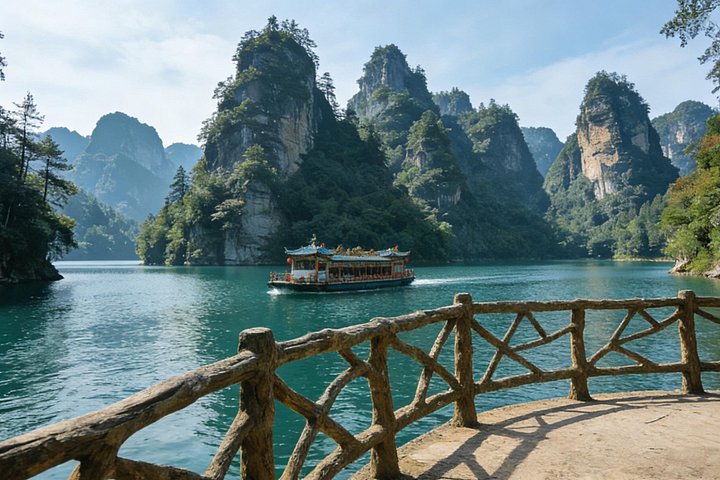
Whatever the season, fog can erase a view for an hour and then lift in a moment, so build slack into the plan and avoid treating a single morning as your only chance. Photographers often prefer overcast or misty mornings to bright midday sun, because the mist separates the pillars into layers. Rain is not a reason to stay in: waterfalls swell, the lake looks its best and the cave and theatres stay dry.
Holidays and weekends
The large Chinese holidays, including the early-October national holiday and the spring festival period, bring the heaviest crowds and the highest hotel prices. Summer weekends are also busy. If you must travel then, book hotels and any timed-entry tickets well ahead, start at opening and plan for long queues at the elevator, the cable cars and the glass bridge. Weekdays outside holidays are calmer in every season.
Choosing your month
For comfortable hiking, aim for spring or autumn, avoiding the October holiday. For waterfalls and green scenery, choose summer, but expect storms and crowds. For quiet and low prices, winter works if you are prepared for cold and the occasional closure. Whenever you go, carry your passport, a rain layer and shoes with grip, and check conditions with your hotel each morning.