For wildlife, Ghana's answer to the African safari is Mole National Park, a vast reserve of savannah woodland in the north of the country. Elephants are the headline, and a guided walk through the bush often brings you within sight of them as they come to the waterholes. The park is also home to antelope, baboons, warthogs and many birds, and the occasional leopard or lion is reported. A short break from Accra usually involves a flight north to Tamale and a transfer by road to the park, with one night at a lodge on the escarpment and two guided safari outings. It is a different Ghana from the coast, with red earth, open sky and a wide, quiet horizon.
Getting there
Mole is a long way from the capital, around 700 kilometres by road, so the fast option is a flight to Tamale followed by a drive of a couple of hours to the park gate. Programmes with round-trip flights make a weekend break possible. Check the flight schedule, baggage limits and transfers carefully when you book. The road near the park can be rough, and the transfer is part of the adventure.
In the park
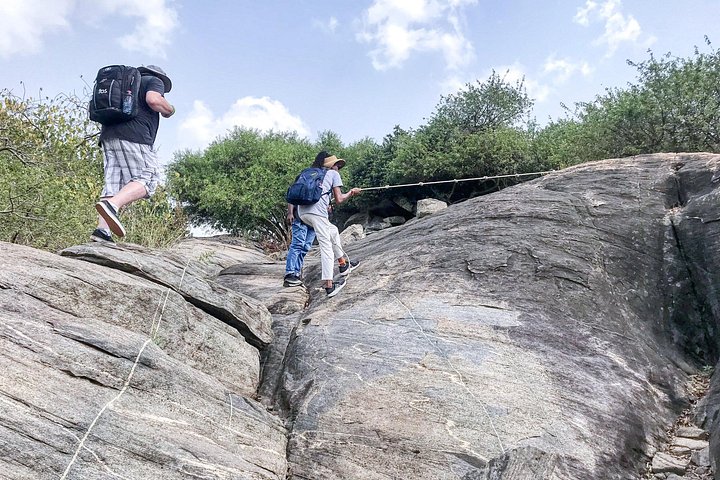
Guided walking safaris leave early, when animals are most active, and are led by armed rangers who know the trails. Visitors walk quietly in a small group, stopping at waterholes and viewpoints. Elephants are commonly seen, and the rangers explain how to behave if one appears. Jeep drives are available at some times, and a lodge terrace overlooks a waterhole where animals come to drink, so you can spot wildlife from your chair. Wear neutral colours, bring binoculars and a good hat, and carry plenty of water.
Lodge and landscape
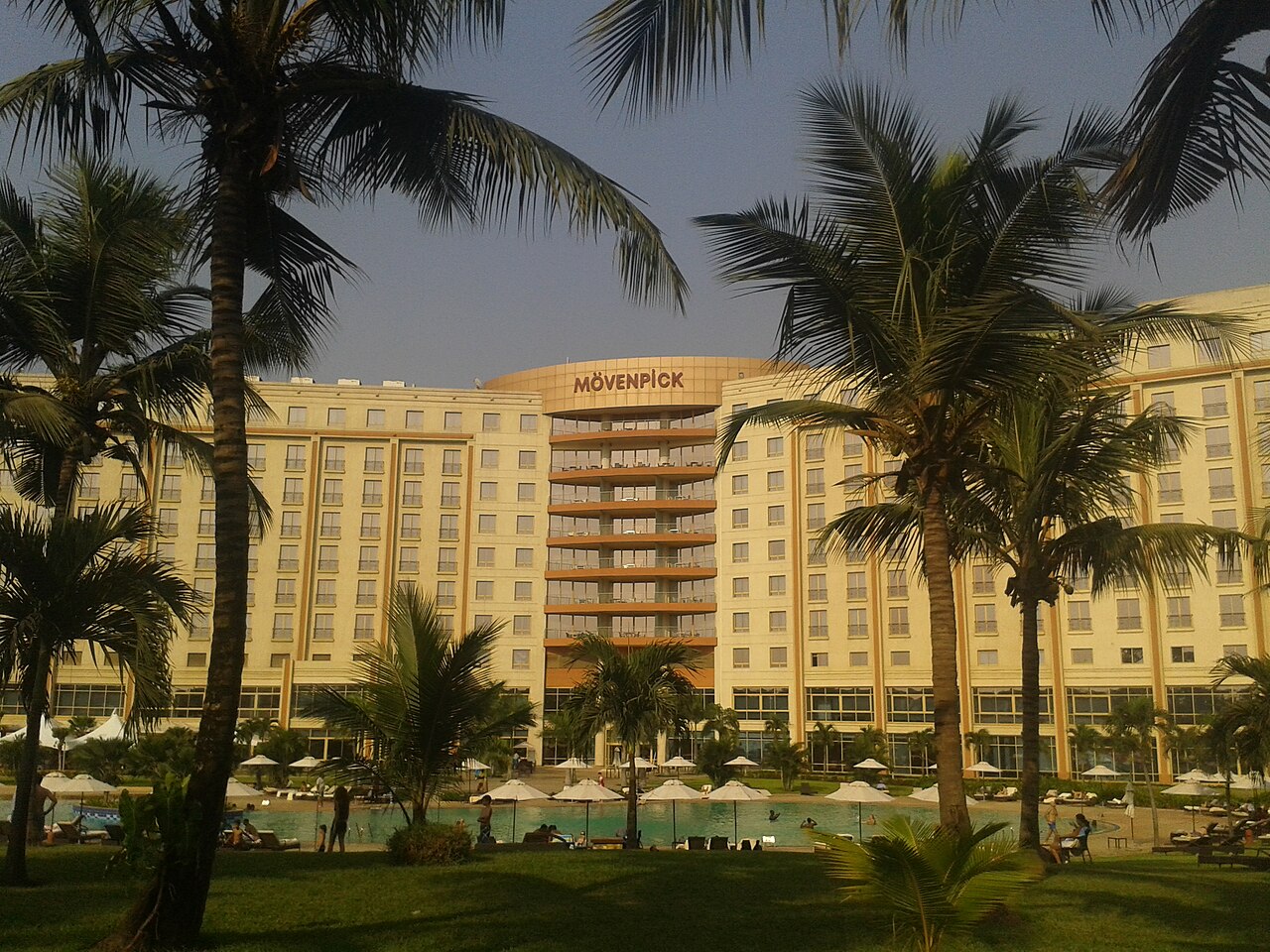
The main lodge sits on a ridge above the plain, with rooms, a restaurant and a swimming pool that gives relief from the heat. Evenings are quiet, with the sounds of the savannah and a sky full of stars. Nearby, the village of Larabanga is home to one of the oldest mosques in West Africa, built in the Sudanese mud style, and many visitors stop to see it on the way. Cultural stops add a human side to a nature trip.
When to go
The dry season, from November to March, is best for game-viewing, since animals gather at the remaining water and the grass is lower. The rains turn the park green but make the roads slower and the animals harder to find. Harmattan haze may reduce long views in the early dry season.
Book ahead in the peak months, take insect repellent and sun protection and pack light layers for cool mornings. This is a longer and pricier excursion than most from Accra, but it offers a chance to see elephants in the wild without leaving Ghana, and it complements the coastal and heritage programme with a different kind of landscape and pace.
Think about what you want to see before you go, whether it is elephants, birds or simply the open landscape, and tell the rangers, who can plan the walk around your interests. A good pair of binoculars and a long lens make a big difference. Keep voices low, avoid strong perfumes and follow instructions at all times, especially if an elephant is close. The park rewards patience, and the best sightings often come after a quiet wait at a waterhole.
What to expect
The experience
A short guided safari break to Mole National Park, usually with flights to Tamale and a night at a lodge.
Best time
The dry season from November to March, when animals gather at waterholes.
How long
Two days with one night in the park.
Tips
Book early in the dry season, wear neutral colours, carry water and check flight and baggage details.
Quick picks
- Best for
- Wildlife lovers who want to see elephants in the wild.
- Families
- Good for children old enough to walk quietly on a guided safari.
- Couples
- A memorable escape for two.
- Pair with
- Shai Hills Reserve for an easy taste of wildlife near Accra.
- Time needed
- Two days.
Good questions
How do I get to Mole from Accra?+
Most short programmes fly to Tamale and then transfer by road, since driving takes a very long day.
Will I see elephants?+
They are commonly seen, especially in the dry season, but sightings are never guaranteed.
Are walking safaris safe?+
They are led by trained, armed rangers who know the trails and the animals.
When is the best time to visit?+
The dry season from November to March is best for wildlife viewing.
What else is nearby?+
Larabanga, with its old mud-style mosque, is a common stop.