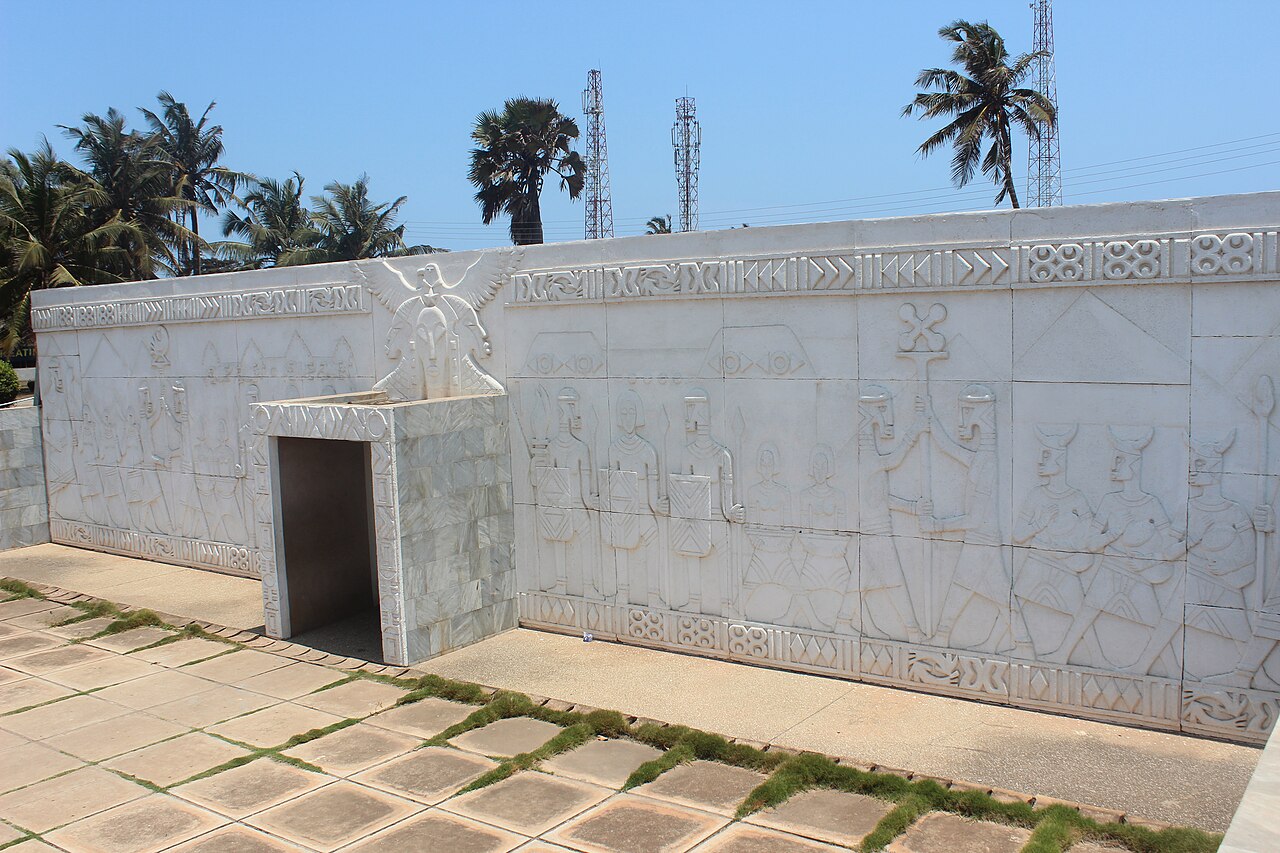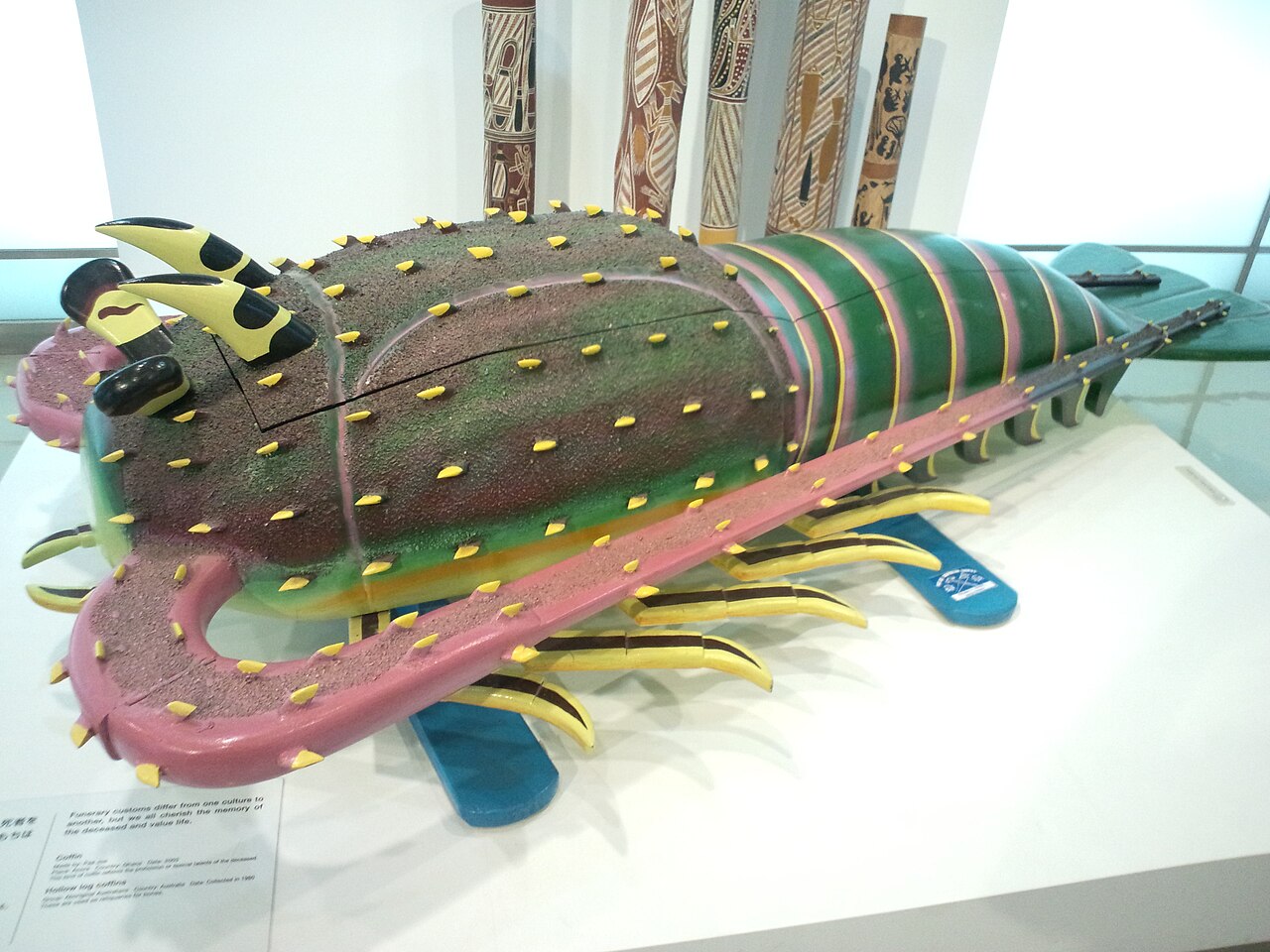
The National Museum of Ghana is the best single stop in Accra for understanding the country beyond the independence story. It opened in March 1957, the day before Ghana became the first sub-Saharan colony to gain independence, and it has been the national collection ever since. The building stands on Barnes Road in Adabraka, in the middle of the city, and three main galleries cover Ghana's past, its traditions and its arts and culture. Prehistoric finds sit alongside the objects of everyday and ceremonial life: chiefs' regalia, sacred Asante stools, gold weights, beads, textiles and pottery. Masks from neighbouring countries, bronze heads from Ife in Nigeria and carvings from Central Africa place Ghana in a wider African setting, and a section on the slave trade connects the museum to the castles on the coast. Paintings and sculptures by Ghanaian artists bring the story up to the present.
What to look for
Start with the gallery on Ghanaian history and traditions, where the gold weights are the quiet stars. These small brass figures were once used to weigh gold dust, and many of them carry proverbs, so a single weight can tell you something about how people thought as well as how they traded. The Asante stools and chiefs' regalia explain how authority is displayed and inherited, the textile and bead displays show why kente is more than a souvenir, and the art gallery gives Ghanaian painters and sculptors a room of their own.
Allow a slow hour for the galleries, and add time if you take one of the guided tours the museum offers.
The grounds
Outside, a sculpture garden holds life-size statues of historical figures, including Kwame Nkrumah, and it is a pleasant place to sit for ten minutes after the galleries. A gift shop sells baskets, jewellery, pottery and woodcarvings, which makes it a calmer place to buy crafts than a busy market, though prices are fixed and usually higher. The museum also has a library and an education hall, a reminder that this is a working institution as well as a tourist stop.
Practical details
The museum's own page gives daily daytime opening hours and a tiered fee, with a lower rate for Ghanaian visitors and students and a higher one for international visitors, so check the current amounts before you go and carry some cedis. Barnes Road is central and easy to reach by ride-hail taxi, and the museum pairs well with the Kwame Nkrumah Memorial Park and the Arts Centre in the same half-day.
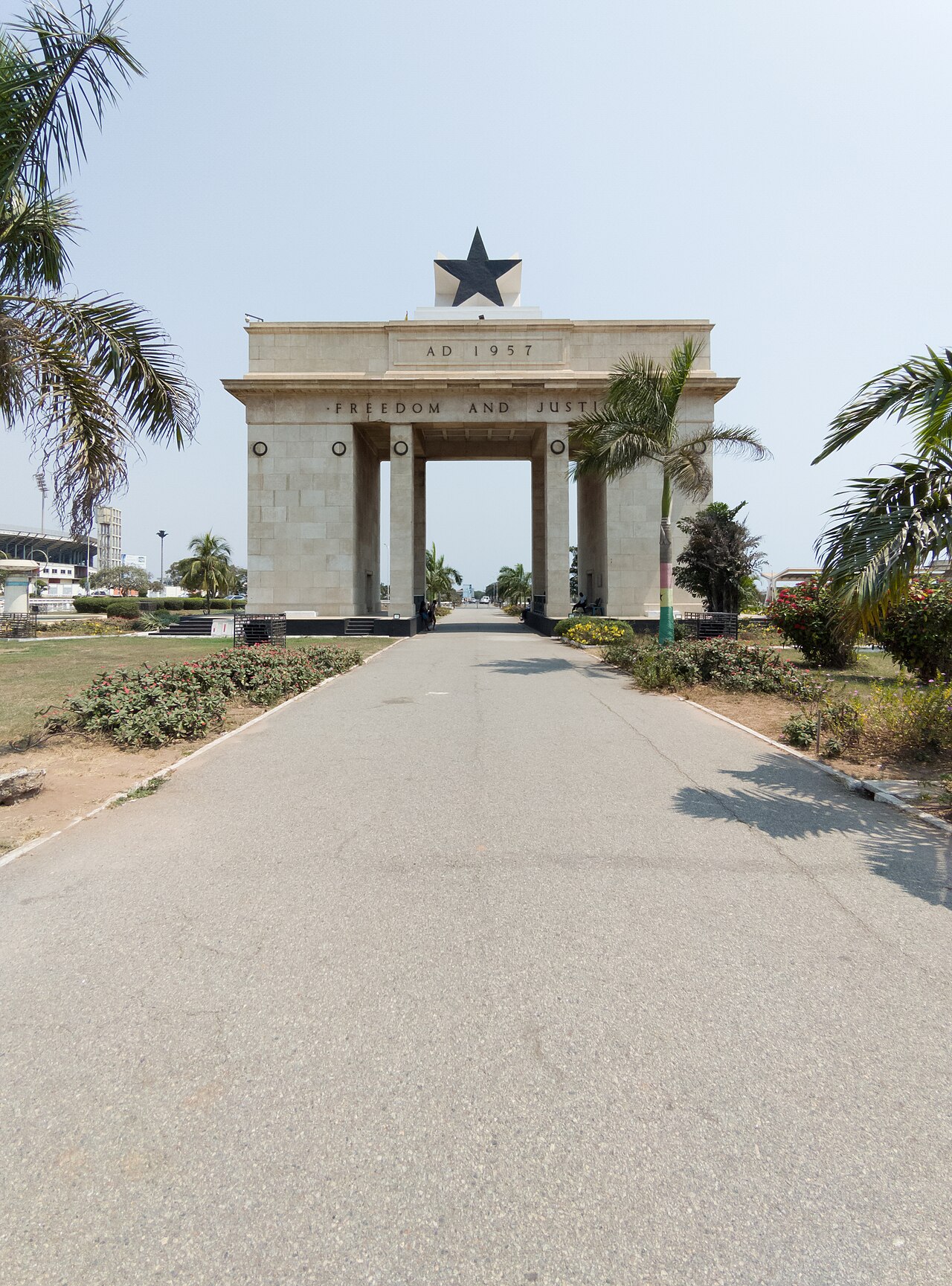
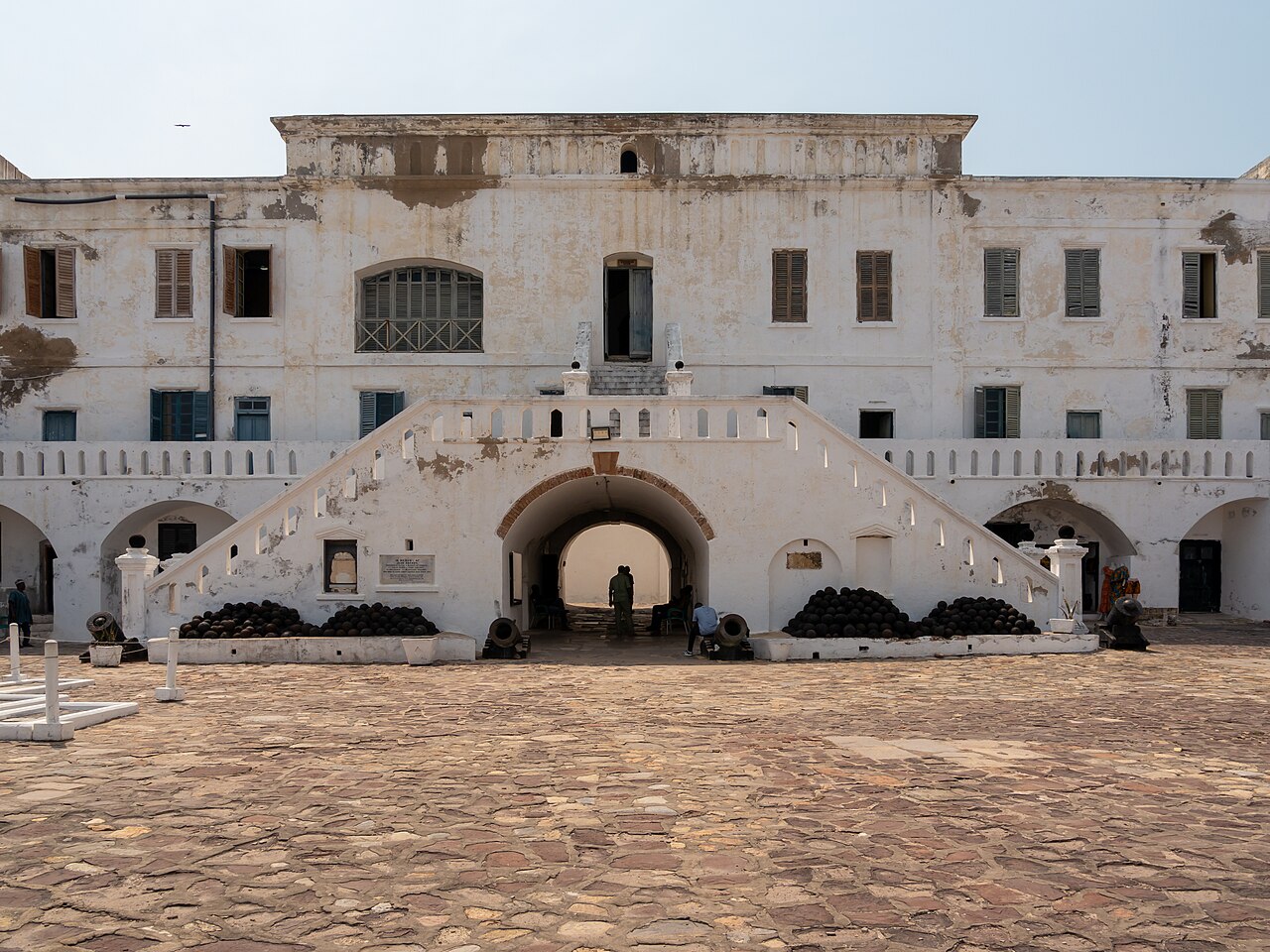
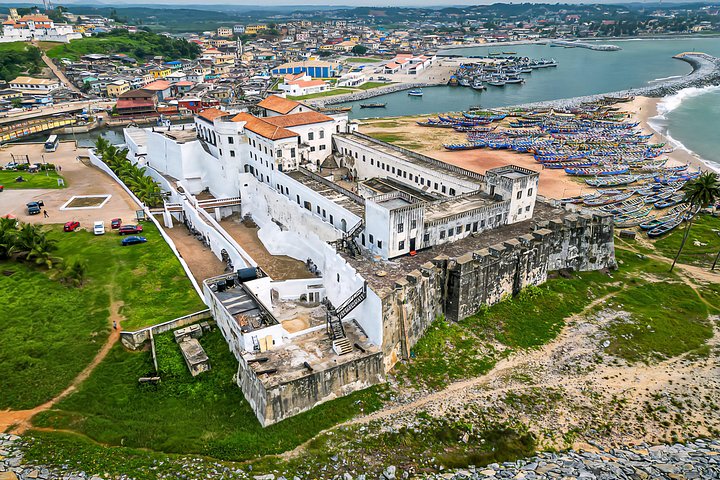
Photography rules can differ between galleries, so ask a member of staff before you raise a camera. Visitors who like to see the objects behind the history will find this the natural companion to Independence Square and the castles.
Making it a fuller day
Because the museum is on Barnes Road, close to the heart of the city, it is easy to slot between a morning at the Kwame Nkrumah Memorial Park and a late lunch. Visitors who like to read will appreciate the labels on the gold weights and stools, and those who prefer to look can simply follow the galleries in order and let the objects speak.
If you are travelling with children, challenge them to find the smallest gold weight and the largest mask, which turns a quiet gallery into a game. Take a bottle of water, since the grounds are open and the walk between galleries can be warm.
What to expect
The experience
A self-guided visit through three main galleries, with optional guided tours, a sculpture garden and a gift shop.
Best time
Weekday mornings are the quietest and coolest, and the galleries are far less crowded than the markets.
How long
One to two hours, longer if you take a guided tour or enjoy reading the labels.
Tips
Carry cedis for the entrance fee, ask about photography before you shoot, and look for the gold weights and Asante stools first.
Quick picks
- Best for
- Visitors who want the deeper cultural story behind the independence sights.
- Families
- Good for school-age children, especially the masks, stools and the statues in the garden.
- Couples
- A calm break from the heat and traffic, with the sculpture garden to finish.
- Pair with
- Kwame Nkrumah Memorial Park and the Arts Centre, both a short ride away.
- Time needed
- Half a morning.
Good questions
Where is the National Museum of Ghana?+
It is at 2 Barnes Road in Adabraka, in central Accra, a short ride from Independence Square and the Nkrumah memorial.
What can you see at the National Museum?+
Three main galleries show Ghana's past, traditions and arts, with gold weights, Asante stools, chiefs' regalia, textiles, masks and a sculpture garden.
How long do you need at the museum?+
Most visitors spend one to two hours. Allow longer if you join a guided tour.
Is there an entrance fee?+
Yes. Fees are tiered, with a lower rate for Ghanaians and students and a higher one for international visitors. Check the museum's page for current amounts.
Is there somewhere to buy crafts?+
The museum has a gift shop selling baskets, jewellery, pottery and woodcarvings. For more choice and bargaining, visit the Arts Centre.