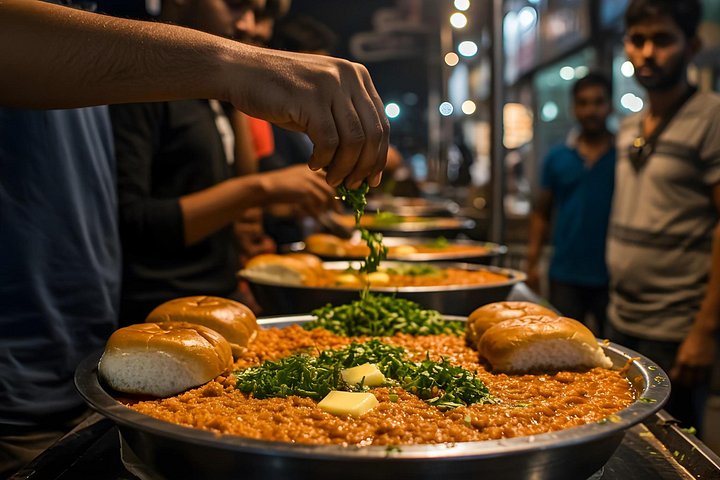
Gujarati food is among the most distinctive regional cuisines in India, and Ahmedabad is its capital in every sense. The flavours lean sweet, sour and gently spiced, built around lentils, gram flour, yoghurt, jaggery and fresh vegetables, and the city's long Jain and vegetarian traditions mean that meat-free cooking is an art form here. A guided food walk lets you taste a spread of dishes without having to decide what to order. Typical stops include a morning stall for fafda and jalebi, crisp gram-flour strips with sweet spirals and a tangy papaya chutney; a snack shop for soft, steamed khaman and dhokla; a tea stall for masala chai; a sweet shop for mohanthal and ghari; and often a small place for handvo, khichu or a thali. Each stop comes with a story about the dish, the family that makes it and the neighbourhood it belongs to.
How it works
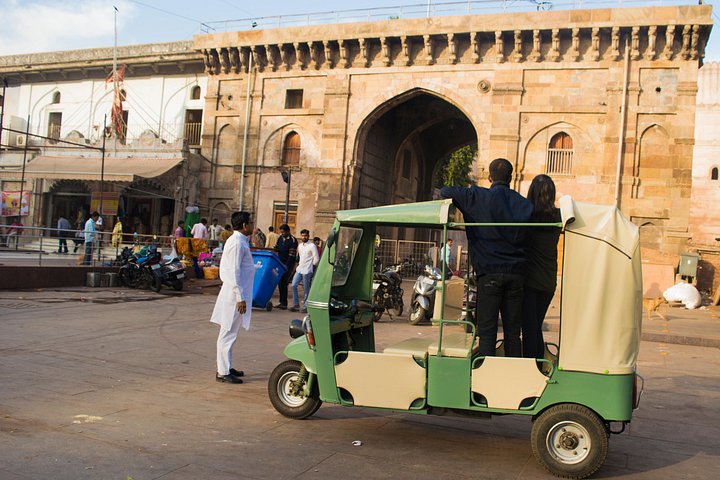
Food tours last about two to three hours and run in the morning or early evening, usually with a small group and a local guide. Prices include the tastings, which add up to a full meal, so arrive hungry and skip lunch or dinner beforehand. Routes often pass through the old city, where many of the oldest shops sit, and may include a short rickshaw ride between areas. Tell the guide about allergies, dietary needs and spice tolerance in advance.
What to expect
Small plates eaten standing or at simple tables, with plenty of tea and water between bites. The food is vegetarian, and Jain options, which avoid onion and garlic, are widely available. Gujarat is a dry state, so the drinks are chai, buttermilk called chaas, lassi and fresh juices. Some stalls are simple and busy, with much of the charm in the speed and efficiency of the cooks. The guide handles ordering and payment, and also steers you away from the stalls that do not meet their standards.
Making the most of it
Do the walk early in your stay so that you learn the names of dishes to look out for during the rest of your trip. Wear loose, comfortable clothing and bring cash for extra snacks or sweets to take home. Ask the guide about seasonal specialities, such as undhiyu, a winter dish of mixed vegetables, or the sweet kites-season treats of January. If you love the experience, consider a cooking class in a family home for a deeper dive.
Good to know
The city's street food is cooked fresh in front of you, and busy stalls turn over their stock quickly. Bring hand sanitiser, and avoid drinking tap water. Expect to eat a lot, since each small tasting is a real mouthful. The walk usually works best for people comfortable with spice, but guides can adjust. Vegans should ask about ghee and dairy, which feature widely in sweets and fried snacks.
More to know
The best-known morning combination in the city is fafda with jalebi, eaten on Sundays by what seems like half the population, and a tour that runs on a weekend morning will often start there. Gujarati thalis are served with many small bowls and unlimited refills, and ordering one at the end of your tour puts the day's small bites in context.
Street food hygiene is better at busy stalls with high turnover, and guides know which vendors still use traditional methods. For dessert, look for kulfi, ghari or the seasonal sweets made for the kite festival and Diwali, which come in dazzling variety.
What to expect
The experience
A guided tasting walk through several snack stalls and sweet shops, with stories behind each dish.
Best time
Morning or early evening, when the stalls are freshest.
How long
Two to three hours.
Tips
Arrive hungry, tell your guide about allergies, and bring hand sanitiser and small cash.
Quick picks
- Best for
- Food lovers and curious first-timers.
- Families
- Fun for adventurous older children, who love the sweets.
- Couples
- A shared tasting evening is a great date.
- Pair with
- Manek Chowk and the heritage walk.
- Time needed
- Half a day.
Good questions
Is the food all vegetarian?+
Yes, Gujarati street food is overwhelmingly vegetarian, and many dishes suit Jain diets.
Can I drink alcohol?+
Gujarat is a dry state, so expect chai, buttermilk, lassi and juices.
What dishes will I try?+
Typically fafda-jalebi, khaman, dhokla, thepla, handvo, sweets and chai, depending on the route.
Is it spicy?+
Gujarati food is generally milder and sweeter than elsewhere in India, and guides can adjust spice.
Do I need to eat beforehand?+
No. The tastings add up to a full meal.