Patola is one of the most prized textiles in India, a double-ikat silk in which both the warp and weft threads are tied and dyed before weaving so that the pattern emerges only on the loom. Making a single sari can take months, and the work is so exacting that only a handful of families in the town of Patan still practise it. This private day trip from Ahmedabad pairs a visit to a weaver's workshop with the great monuments of the area, so you see the craft in the same landscape that produced the sculptors of Rani ki Vav and Modhera. You watch artisans tie, dye and weave, and a family member explains the patterns, which often feature elephants, flowers, parrots and geometric motifs. For anyone interested in design, textiles or slow craft, it is a rare chance to see a tradition that is genuinely at risk of disappearing.
How it works
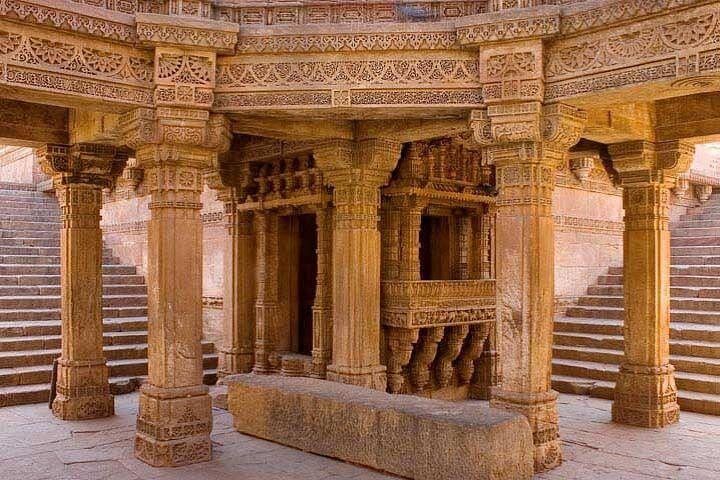
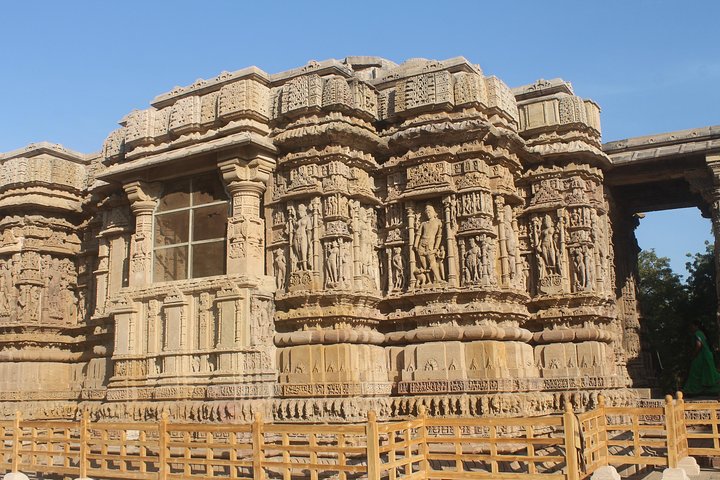
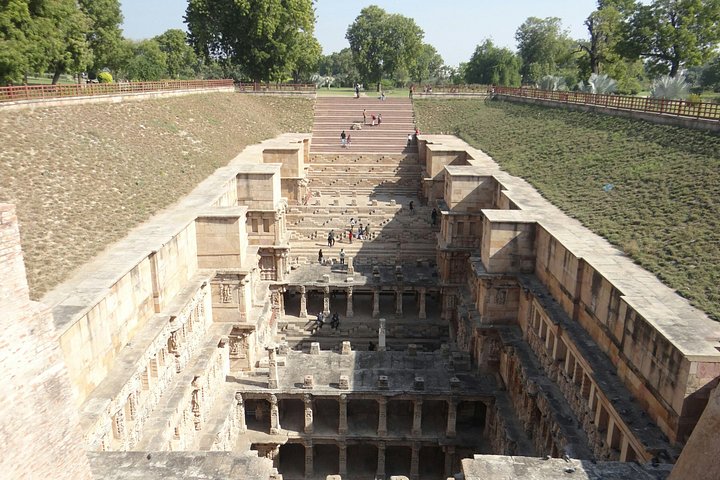
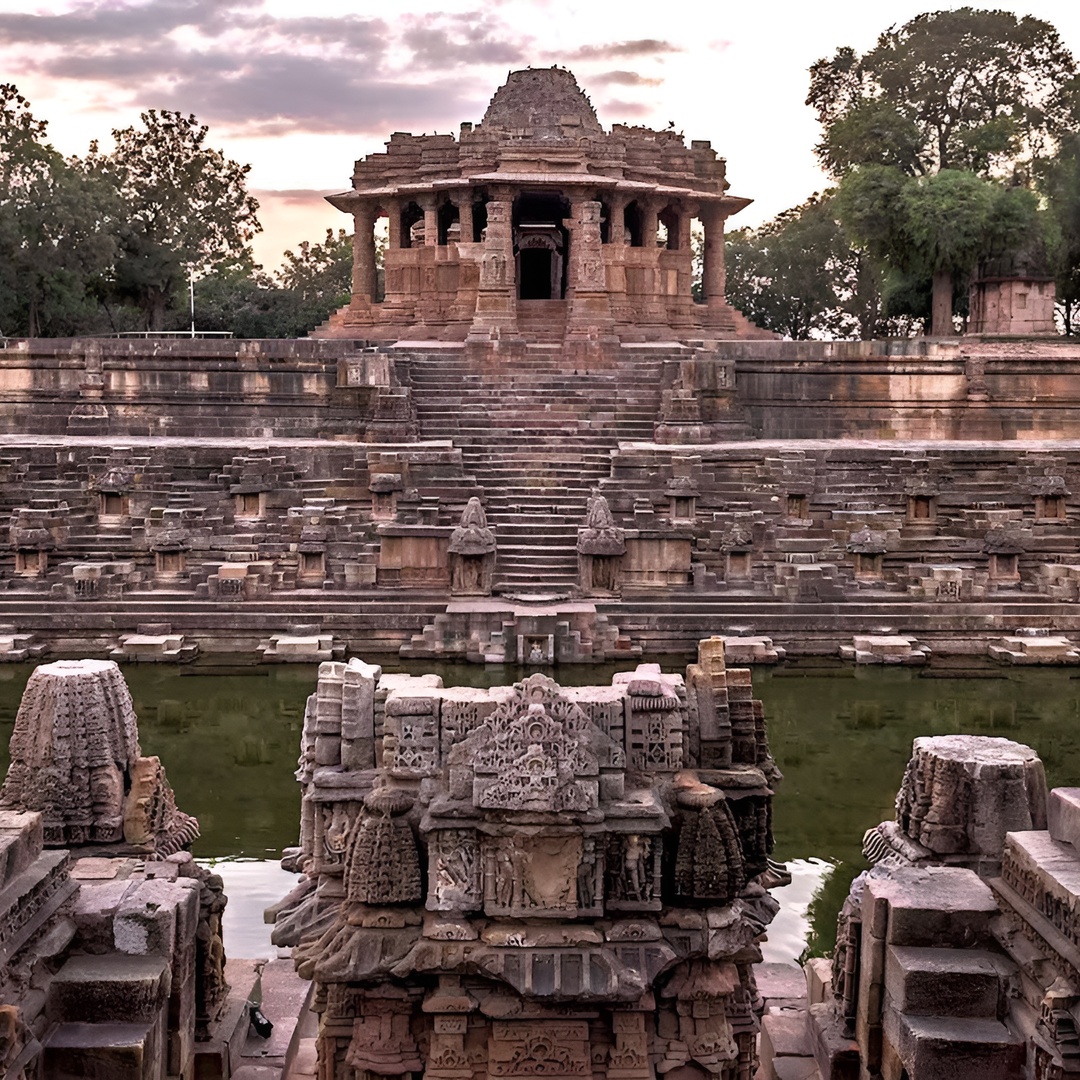
The tour is a private day trip by car with a driver and guide, leaving Ahmedabad early in the morning and returning in the evening. The journey to Patan takes about three hours, and the itinerary usually visits a weaving house, Rani ki Vav and often the Sun Temple at Modhera. Because the tour is private, you can adjust the pace and spend longer where your interest lies. Prices reflect the vehicle and guide, and the weaver's demonstration is typically included, with no obligation to buy.
What to expect
A quiet workshop, not a shop. You see the frames, the dyed threads and the tiny knots, and the guide may let you try tying a thread. If you are tempted to buy, ask for a certificate of authenticity; genuine patola silk is expensive, and a small scarf or a framed piece is a more affordable souvenir than a full sari. The stepwell and temple visits are on foot and involve steps, so wear comfortable shoes. Lunch is usually a simple vegetarian meal at a local restaurant.
Making the most of it
Bring a camera, notebook and curiosity. Ask about the dyes, the symbolism of the patterns and how the families pass the skills to the next generation. If you have already seen Rani ki Vav on another trip, this tour still offers the craft element. The best time is the cooler months from October to March, when long days of travel are more comfortable.
Good to know
Working weavers may be busy during festivals and weddings, so confirm the visit in advance. Be respectful when photographing, and ask permission before taking pictures of people. Patan's old streets are worth a short stroll, and tea stalls near the stepwell are a pleasant stop. This is a long day, so consider overnight stays if you want a more relaxed pace.
More to know
Patola designs are often named for their motifs, such as narikunj, with dancing women and parrots, or paan bhat, with leaf patterns. Historically the sari was worn by wealthy Gujarati women and exported as a luxury textile to Southeast Asia, where it influenced local weaving. Today a handful of families, most famously the Salvis, keep the art alive, and visits help support them.
Ask what goes into each stage, from dyeing silk with natural pigments to the tension on the loom, and take time to feel the finished silk, which has a remarkable softness and sheen. Even a short visit changes how you look at any woven cloth.
What to expect
The experience
A private car tour taking in a patola weaving workshop, a stepwell and the Sun Temple, with a driver and guide.
Best time
Cooler months, starting early in the morning.
How long
A full day, with about three hours' driving each way.
Tips
Ask before photographing weavers, and request a certificate of authenticity if you buy.
Quick picks
- Best for
- Design, textile and craft enthusiasts.
- Families
- Older children interested in making things.
- Couples
- A private, unhurried day of craft and heritage.
- Pair with
- Rani ki Vav and Modhera in the same trip.
- Time needed
- A full day.
Good questions
What is patola?+
A double-ikat silk textile from Patan, in which warp and weft threads are tied and dyed before weaving.
How long does a sari take to make?+
Often several months, which is why genuine patola is expensive.
Do I have to buy anything?+
No. The demonstration is a visit, not a sales requirement.
Is the tour private?+
Yes, it is a private car and guide for your group.
What else is included?+
Typically Rani ki Vav and the Modhera Sun Temple.